
Boney M.: Euro-Disco Group of the 1970s
Boney M. was a popular vocal group assembled in West Germany in the mid‑1970s, known for disco, R&B and reggae‑inflected hits and theatrical stage shows produced by Frank Farian.
Boney M. were a vocal group formed in the mid‑1970s and assembled by West German Frank Farian. Their recordings fused R&B, disco and reggae influences and were produced in Europe by a team led by a record producer. The act was presented as a four‑person group based in West Germany and became one of the era's most recognizable pop/dance outfits.
Image gallery
3 Images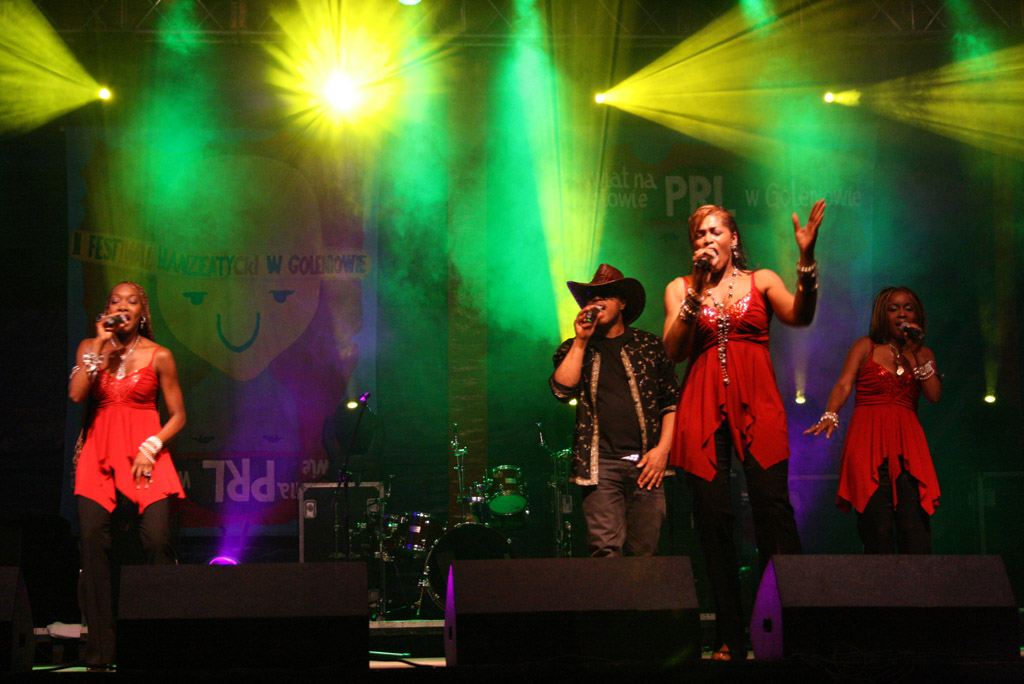


Overview and style
Boney M.'s sound combined driving disco rhythms, melodic vocal harmonies and Caribbean‑flavored arrangements. On record the music emphasized catchy choruses, danceable grooves and pop songwriting that appealed to radio and clubs alike. Their stage shows were notable for costume, choreography and a strong visual identity that made them a fixture on television and live tours.
Members and recording practice
The group's public line‑up featured prominent female vocalists and a charismatic male frontman who performed onstage. Studio practice sometimes differed from the live presentation: production choices and studio vocals were handled by the producer and session singers to achieve the recorded sound. This approach shaped both the group's hits and later discussions about performance and authorship in popular music.
Hits and repertoire
During their commercial peak the act released a string of well‑known singles that have endured in popular culture. Notable titles include:
- Daddy Cool
- Rivers of Babylon
- Ma Baker
- Rasputin
- Sunny and Mary's Boy Child/Oh My Lord
These songs sold strongly across Europe and were frequently covered, compiled and played seasonally, contributing to the group's lasting presence on radio and in compilations.
Legacy and distinctions
Boney M. helped popularize an accessible form of Euro‑disco that mixed pop songwriting with world and Caribbean elements, influencing later dance acts. Their career illustrates the interplay between studio production and stage performance in late‑20th‑century pop. Over time the group underwent lineup changes and spawned tribute and revival projects; their catalogue remains a reference point for disco nostalgia and television-friendly pop shows.
For further context on the musical genres and people associated with the group, see resources linked here: R&B overview, disco history, reggae influences, band profiles, West German pop scene, record production techniques and Frank Farian's career.
Related articles
Author
AlegsaOnline.com Boney M.: Euro-Disco Group of the 1970s Leandro Alegsa
URL: https://en.alegsaonline.com/art/12882