
Boston Pops Orchestra
A Boston-based orchestra specializing in light classical, popular and film music; known for accessible concerts, recordings and the annual Fourth of July performance.
The Boston Pops Orchestra is an American orchestral ensemble based in Boston that focuses on lighter classical works, arrangements of popular music, film scores and show tunes. Founded around 1885, the ensemble grew from the city’s orchestral tradition and is closely associated with the musicians of the city’s major symphony.
Image gallery
4 Images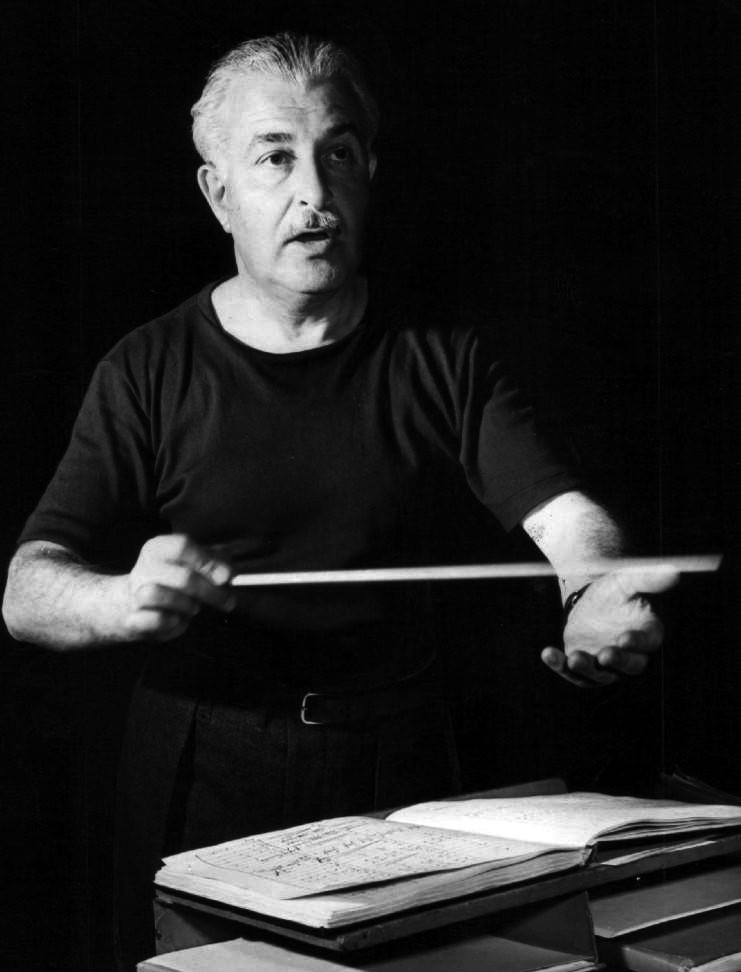



Role and repertoire
The Pops presents programs designed to reach broad audiences, blending orchestral versions of Broadway numbers, jazz-influenced pieces, and cinematic themes with occasional classical selections. Its concerts are notable for accessible programming, special guest artists, family series and holiday events. The organization’s public profile also includes extensive recordings and radio or television broadcast appearances.
Origins and development
Historically the ensemble evolved from informal "pops" concerts that aimed to complement more formal symphonic seasons. Over the 20th century it became an established institution under a succession of prominent leaders who shaped its sound and public image. For more on the beginning of the organization see early history.
Leadership and notable figures
Several conductors have guided the Boston Pops through periods of expansion and popular acclaim. Long-serving and high-profile music directors helped the orchestra reach a national audience by touring, recording, and collaborating with popular entertainers. Today the ensemble is led by conductor Keith Lockhart, who continued that tradition of bridging classical and popular musical worlds.
Public presence and significance
The Boston Pops is best known for large public events such as the Boston Pops Fireworks Spectacular held annually around Independence Day on the Charles River, family-oriented concerts, and frequent guest appearances with singers and composers from other genres. Its role has been to introduce orchestral playing to listeners who might not attend traditional symphony programs, serving both educational and entertainment functions.
Distinguishing features
- Close relationship with the city’s symphony musicians and performance venues.
- A repertoire that intentionally crosses stylistic boundaries to appeal to diverse audiences.
- A significant recording and broadcast legacy that expanded the public reach of orchestral arrangements of popular music.
For information about programming, tickets and recordings, consult the ensemble’s official channels or institutional histories that document its evolving role in American musical life; its public mission remains to combine high-quality orchestral playing with broad popular appeal, a model sometimes described as a complement to, rather than a replacement for, full symphonic repertoire. See also its role as a representative example of the modern American "pops" orchestra and its continuing efforts to present music in accessible formats, including collaborations and multimedia projects (role as a popular-music ensemble).
Related articles
Author
AlegsaOnline.com Boston Pops Orchestra Leandro Alegsa
URL: https://en.alegsaonline.com/art/13223