
Bossa nova: Brazilian musical style blending samba and jazz
Bossa nova is a Brazilian music style that emerged in the late 1950s combining samba rhythms with jazz harmony and a restrained, intimate aesthetic. Key figures include João Gilberto and Antônio Carlos Jobim.
Overview
Bossa nova is a Brazilian musical style that arose in urban Rio de Janeiro in the late 1950s. Its name literally means "new trend" or "new wave" in Portuguese and reflects an aesthetic shift from the louder, more percussive samba toward a softer, more harmonically refined sound. The genre became internationally known through recordings such as "The Girl from Ipanema," and through collaborations between Brazilian artists and foreign jazz musicians.
Image gallery
5 Images


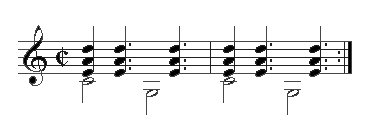

Characteristics
Bossa nova is defined by a few recurring musical and performance traits. These include a relaxed, syncopated rhythmic feel derived from samba but pared down in instrumentation and intensity; intricate, jazz-influenced harmonies and chord extensions; an intimate vocal approach often delivered in a low, understated tone; and a focus on subtle dynamics and phrasing rather than overt virtuosity.
- Rhythm: syncopated patterns adapted from samba but simplified for small ensembles.
- Harmony: rich, extended chords and progressions with influences from jazz.
- Vocal style: conversational, delicate, and often close-mic recorded.
- Tempo and mood: generally relaxed, with a cool, intimate atmosphere.
History and development
The style coalesced among a circle of musicians, poets and intellectuals in Rio. Important early figures include Antônio Carlos Jobim and João Gilberto, who helped shape the sound by combining melodic sensibilities with new rhythmic interpretations. Lyricist-poets such as Vinícius de Moraes contributed texts that ranged from romantic to reflective. Bossa nova recordings were embraced by both Brazilian audiences and foreign jazz artists, leading to cross-cultural collaborations that brought the music to a wider audience.
Instrumentation and performance
Typical bossa nova ensembles are small. The nylon-strung classical guitar frequently provides the foundational rhythm and harmonic color, while piano (piano) and soft percussion (brushes on drums, tambourine, or subtle hand percussion) add texture. String sections or horns are sometimes used for arrangements, but restraint and clarity remain central to the aesthetic.
Legacy and notable recordings
Bossa nova had a lasting influence on both popular music and jazz, informing cool jazz projects and later pop arrangements. The international breakthrough of tunes like "The Girl from Ipanema" introduced the genre to global audiences and helped establish collaborative projects that mixed Brazilian composers and North American jazz soloists. The style continues to be performed, recorded, and reinterpreted across genres, remaining a key chapter in 20th-century music history.
Questions and answers
Q: What is bossa nova music?
A: Bossa nova is a type of Brazilian music that emerged as a new trend.
Q: Who are the musicians who developed bossa nova as a genre?
A: Antonio Carlos Jobim and João Gilberto are the musicians who developed bossa nova as a genre.
Q: Which was the first bossa nova single that achieved international popularity?
A: "The Girl From Ipanema" was the first bossa nova single to achieve international popularity.
Q: How did the bossa nova musical style evolve from samba?
A: The bossa nova musical style evolved from samba but is more complex harmonically and less percussive.
Q: What did Joachim Ernst Berendt say about the combination of bossa nova and jazz?
A: Joachim Ernst Berendt, the writer of a jazz book, said that bossa nova is a combination of samba and cool jazz.
Q: Is the influence of jazz styles on bossa nova often debated?
A: Yes, the influence of jazz styles on bossa nova is often debated.
Q: What instruments are typically used in bossa nova music?
A: Bossa nova is usually performed on classical guitar and piano. It is often performed with percussion and strings.
Related articles
Author
AlegsaOnline.com Bossa nova: Brazilian musical style blending samba and jazz Leandro Alegsa
URL: https://en.alegsaonline.com/art/13204