
Bombycidae — the silkworm moth family
Bombycidae are a family of moths that includes the domesticated silkworm (Bombyx mori), about 150 species in some 20–25 genera; they are central to sericulture and studied in genetics, ecology and conservation.
Overview
The Bombycidae are a family of moths best known for the domesticated silkworm. The family contains a modest number of genera and species (commonly cited as about 20–25 genera and roughly 150 described species) and is placed within the superfamily Bombycoidea. The most familiar species to people worldwide is the domesticated Bombyx mori, whose caterpillar is the silkworm used in traditional sericulture. For general taxonomic information and species lists see Bombycidae.
Image gallery
1 Image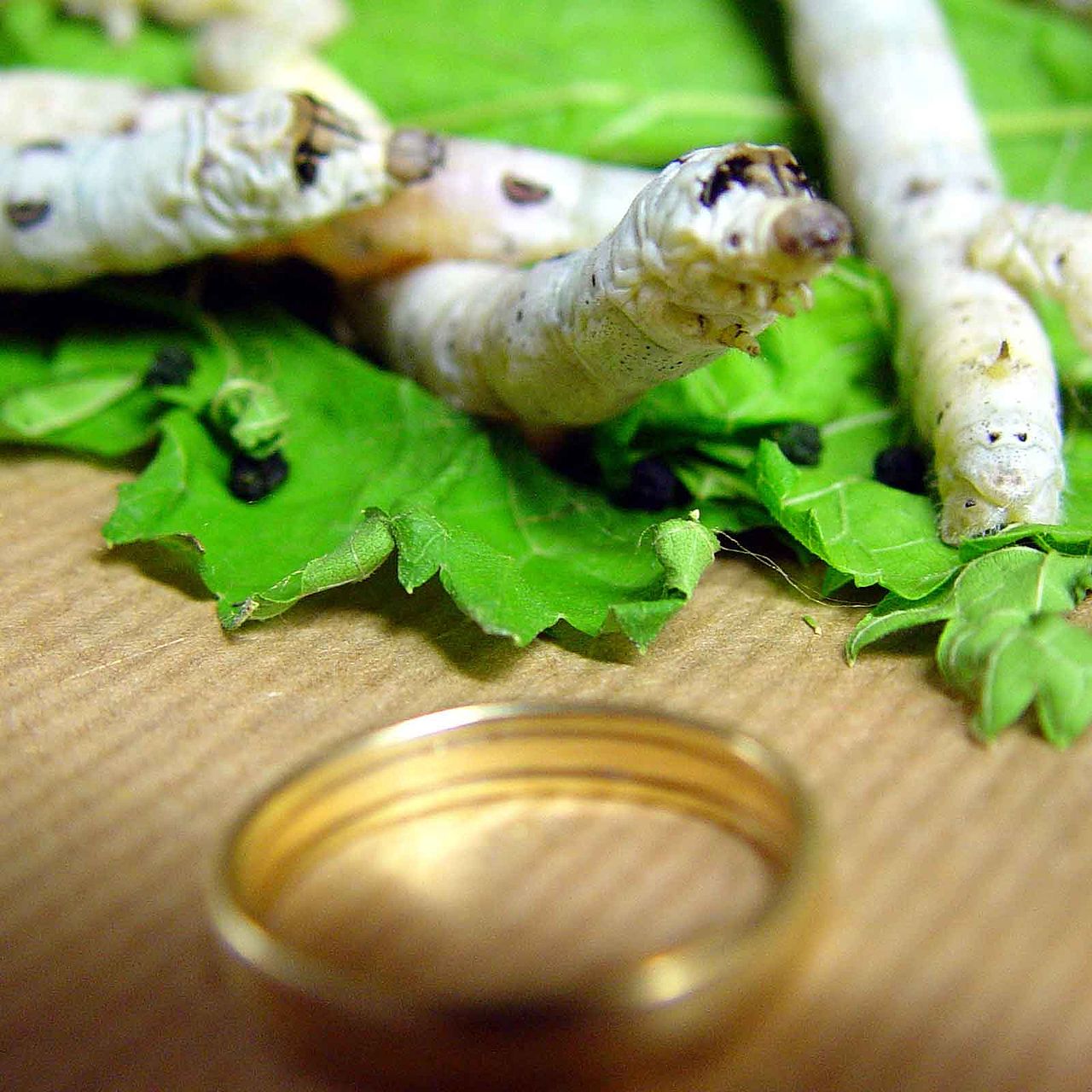
Characteristics
Bombycidae moths are typically medium-sized with stout, often hairy bodies, and relatively broad wings. Many species have muted ground colours—browns, grays and creams—although markings and wing shapes vary between genera. Male antennae are often bipectinate (comb-like on both sides) for detecting female pheromones. Larvae are caterpillars that feed on leaves of host plants and are capable of producing silk from labial glands, which they use to spin protective cocoons for pupation.
Life cycle and ecology
Members of the family follow the typical lepidopteran life cycle: egg, larva (caterpillar), pupa (within a silk cocoon), and adult. Many wild bombycid caterpillars are host-plant specialists; for example, the domesticated silkworm is a specialist on mulberry leaves (Morus spp.). Larval feeding can influence local plant communities, and in some regions wild bombycids are part of forest and woodland food webs, serving as prey for birds, bats and predators.
Taxonomy and distribution
The family is most diverse in eastern Asia, which includes the native range of the wild relatives of the domesticated silkworm, but species occur in other parts of the Old World tropics and subtropics. The family is commonly divided into subfamilies, with most species placed in the nominate subfamily Bombycinae. Within the larger moth radiation Bombycidae are allied with families such as Saturniidae and Sphingidae, sharing several morphological and life-history traits. The well-known domesticated Bombyx mori descends from wild taxa like Bombyx mandarina and represents one of the oldest insect domestications.
Human uses and research
The primary human use of Bombycidae is sericulture: the cultivation of silkworms for silk production, a practice that originated in ancient China and spread along trade networks. Silk from Bombyx mori cocoons is woven into textiles and has also attracted interest for medical and industrial applications, including sutures, tissue scaffolds and biodegradable materials. Bombycidae, especially Bombyx mori, are valuable research organisms in studies of genetics, physiology, insect domestication and applied entomology.
Notable species
- Bombyx mori — the domesticated silkworm used in sericulture.
- Bombyx mandarina — a wild relative important for understanding domestication.
- Various lesser-known genera and species that inhabit Asian forests and tropical regions.
Conservation
Although the domesticated silkworm is maintained in cultivation worldwide, many wild bombycid species are poorly known and may be vulnerable to habitat loss, deforestation and the decline of specific host plants. Conservation of forest habitats and host-plant diversity helps preserve these moths and the ecological interactions they participate in. Continued taxonomic study and field surveys are important to clarify the status and needs of wild Bombycidae species.
Summary
Bombycidae are a modest-sized family of moths that have had an outsized cultural and economic impact through silk production. Beyond sericulture, they are of interest to ecologists and geneticists and illustrate how an insect group can be central to both natural ecosystems and long-standing human industries.
Related articles
Author
AlegsaOnline.com Bombycidae — the silkworm moth family Leandro Alegsa
URL: https://en.alegsaonline.com/art/12833