
Mohamed Naguib
Egyptian military officer and statesman; the first President of the Republic after the 1952 revolution, later sidelined in a power struggle and held under house arrest before his release in the 1970s.
Overview
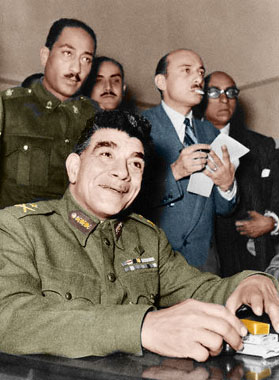
Mohamed Naguib (Arabic: محمد نجيب; 19 February 1901 – 28 August 1984) was an Egyptian army officer and political leader who became the first President of the Republic following the 1952 revolution. He was a prominent member of the Free Officers movement that overthrew the monarchy and helped to inaugurate a republican system in Egypt. His brief tenure at the head of state symbolised the transition from dynastic rule to republican government.
Image gallery
10 Images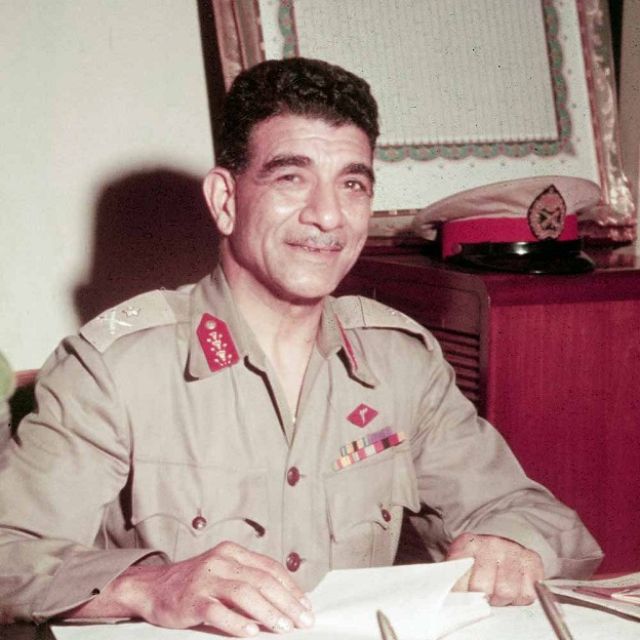

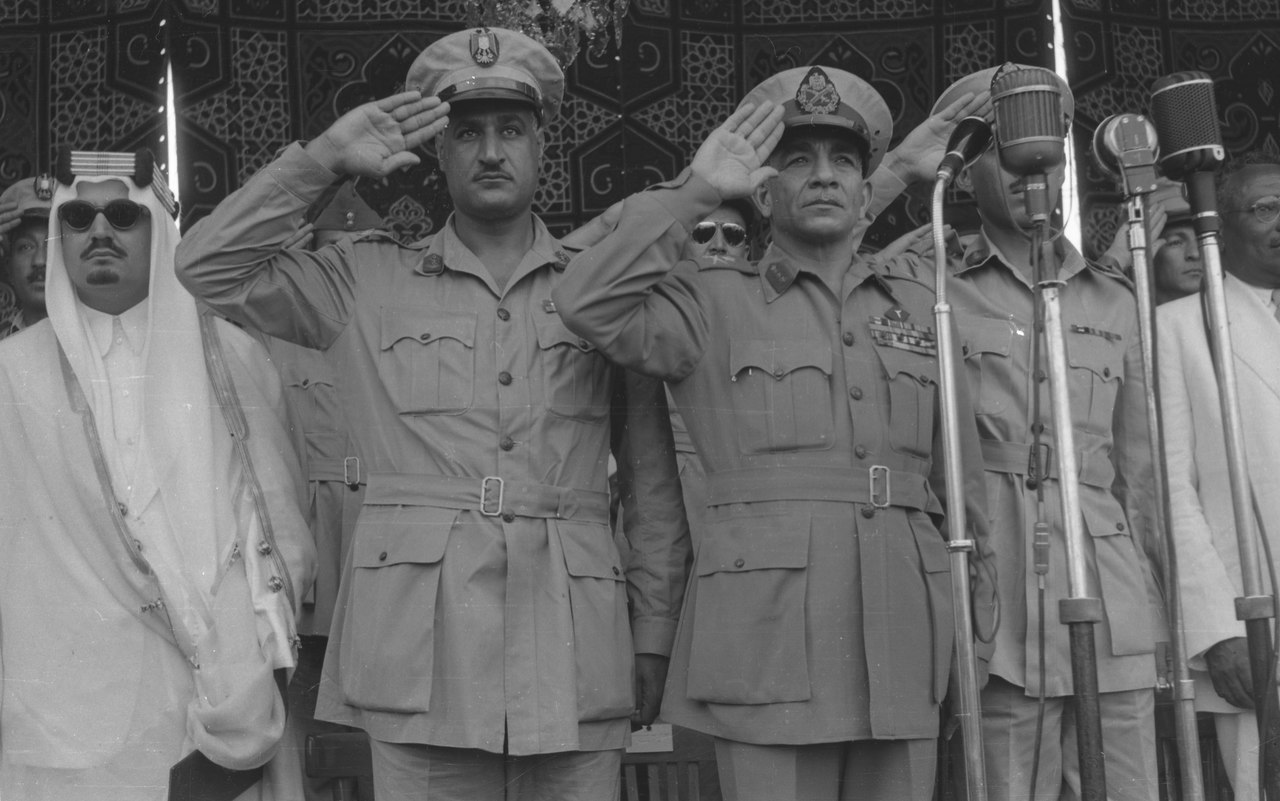

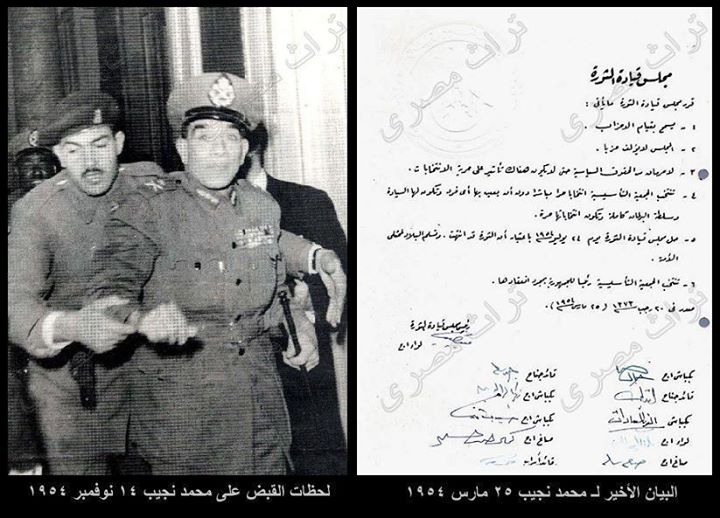


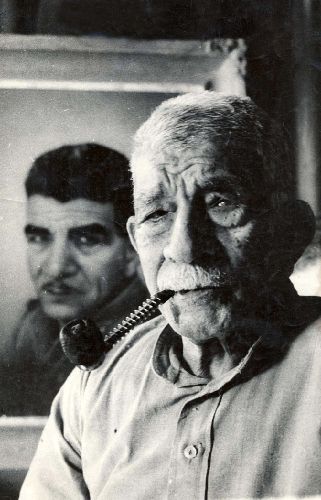
Early life and military career
Naguib trained as a professional soldier and served in the Egyptian military during the interwar period and World War II. Over years of service he gained a reputation for discipline and an ability to bridge different circles within the officer corps. His seniority and public image made him a natural choice as a unifying figure for the clandestine group of young officers who sought political change.
Free Officers and the 1952 revolution
As one of the original Free Officers, Naguib participated in the planning and execution of the 1952 coup that deposed King Farouk and effectively ended the rule of the Muhammad Ali dynasty and the existing monarchy. In the immediate aftermath he became a central figure in the provisional leadership, taking on executive functions while political institutions were reorganised.
Presidency and government
After the republic was proclaimed, Naguib held the highest office and also served as prime minister at times during the transitional period. The early revolutionary government undertook measures aimed at reforming land ownership, limiting royal influence, and asserting national sovereignty. Naguib was widely regarded at the time as a consensual elder statesman whose presence helped to legitimize the new regime in the eyes of conservative and reformist elements alike.
Conflict within the Revolutionary Command
Internal disputes emerged quickly among the revolution's leaders over ideology, the pace of reform and the control of the state. Tensions grew between Naguib and other leading officers, most notably Gamal Abdel Nasser, who was popular among the younger members of the movement. Allegations that Naguib maintained contacts or sympathies with political groups such as the Muslim Brotherhood were used by rivals to erode his authority, though historians note that accounts differ on the extent and nature of these ties.
Removal from power and house arrest
By late 1954 the balance of power had shifted decisively. Nasser and his allies consolidated control, and Naguib was removed from effective leadership. He spent many years confined to house arrest, cut off from public life and political decision-making. In 1972 President Anwar Sadat formally lifted his confinement, allowing him to live out his remaining years away from politics.
Death and legacy
Naguib died in 1984 from complications associated with liver disease. His funeral was attended by the sitting president, Hosni Mubarak, and other officials. Scholarly assessments of Naguib emphasise his symbolic importance as the first head of the republican state and as a reminder of the complex personalities and rivalries that shaped postwar Egyptian politics. While he was eclipsed politically by Nasser, Naguib's role in ending the monarchy and guiding the initial transition remains a central chapter in modern Egyptian history.
Further reading and records
Primary documents, official records and contemporary news coverage offer detailed material on the period; for example, holdings described in presidential records and archival collections shed light on decisions made during the transitional years. Academic studies place his career within broader currents of Arab nationalism, military politics and decolonisation.
- First President: Recognised as the first official head of state of republican Egypt after 1953.
- Military background: Career officer whose standing aided the Free Officers movement.
- Contested legacy: Seen both as a foundational figure and as a casualty of post-revolutionary power struggles.
For a balanced understanding, consult multiple sources and archival materials, including biographies and contemporary accounts, to trace how perspectives on Naguib's actions and influence have evolved over time.
Author
AlegsaOnline.com Mohamed Naguib Leandro Alegsa
URL: https://en.alegsaonline.com/art/127154