
Hosni Mubarak: President of Egypt (1981–2011)
Overview of Hosni Mubarak, Egyptian air force officer who became president in 1981, his policies and regional role, the 2011 uprising that ended his rule, subsequent trials, and his death in 2020.
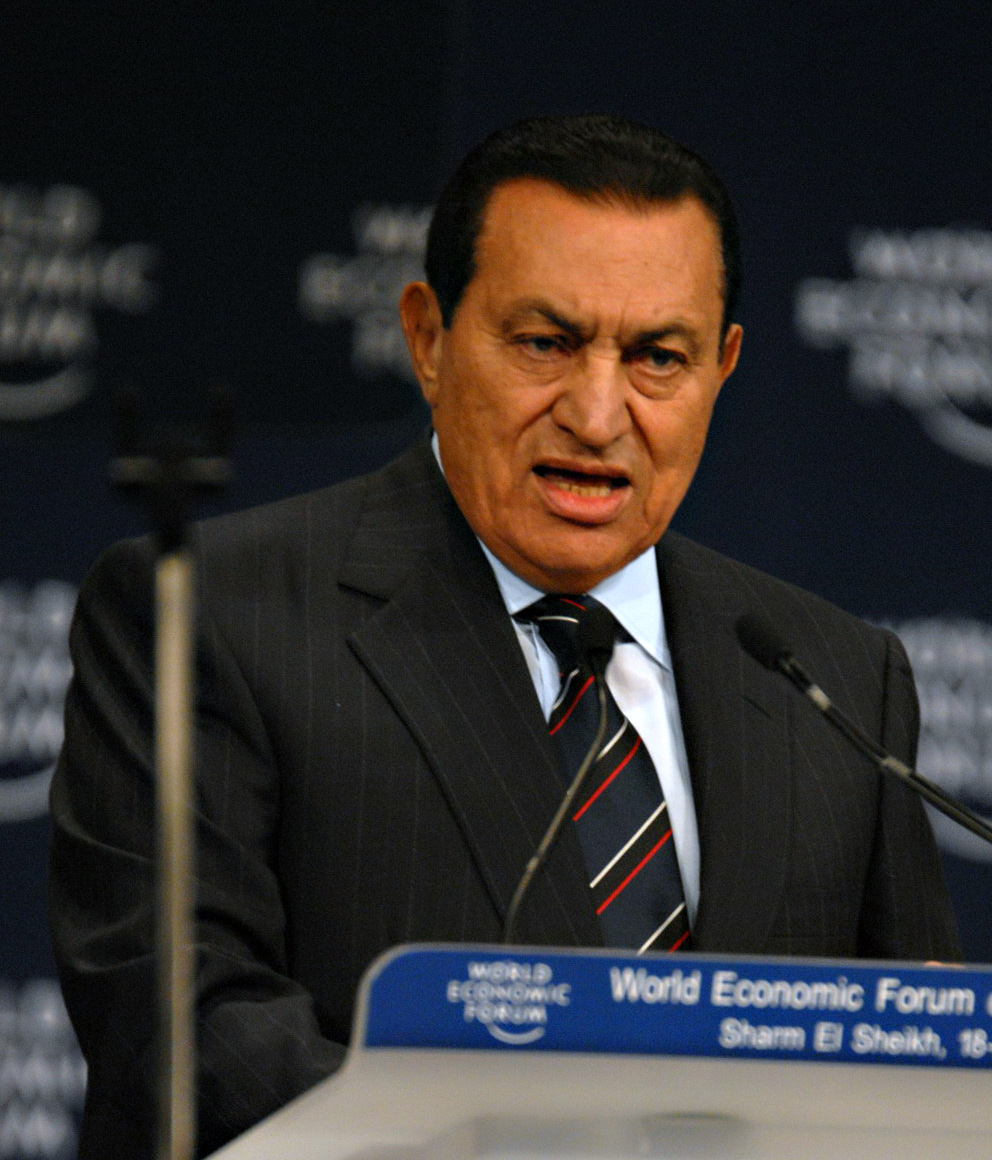
Hosni Mubarak (born Muhammad Hosni Said Mubarak) was an Egyptian military officer and long-time head of state whose tenure shaped late 20th- and early 21st-century Egypt. Commonly identified by his Arabic name محمد حسنى سيد مبارك, he rose from a career in the air force to become a prominent Egyptian politician and then President of Egypt. His presidency began after the death of Anwar Sadat, whose assassination in 1981 precipitated a transfer of power that made Mubarak the country’s leader for nearly three decades.
Image gallery
10 Images




Early life and military career
Mubarak trained and served as an air force officer and advanced to senior command positions. His background in the military influenced his governing style and networks within the state. During his early public life he held several national security and vice-presidential roles, positioning him as a continuity figure after the transition in 1981. The military pedigree was a defining feature of his authority and public image.
Presidency: governance and policy
Throughout his time in office Mubarak maintained strong centralized control over the Egyptian state. Observers commonly described his administration as authoritarian, noting limits on political pluralism and the use of emergency powers. At the same time his government pursued economic reforms that opened sectors to private investment and cultivated ties with Western and regional powers. In 2005 he presided over a contested 2005 multi-candidate election that introduced limited electoral competition but was criticized for irregularities.
2011 uprising, trials and release
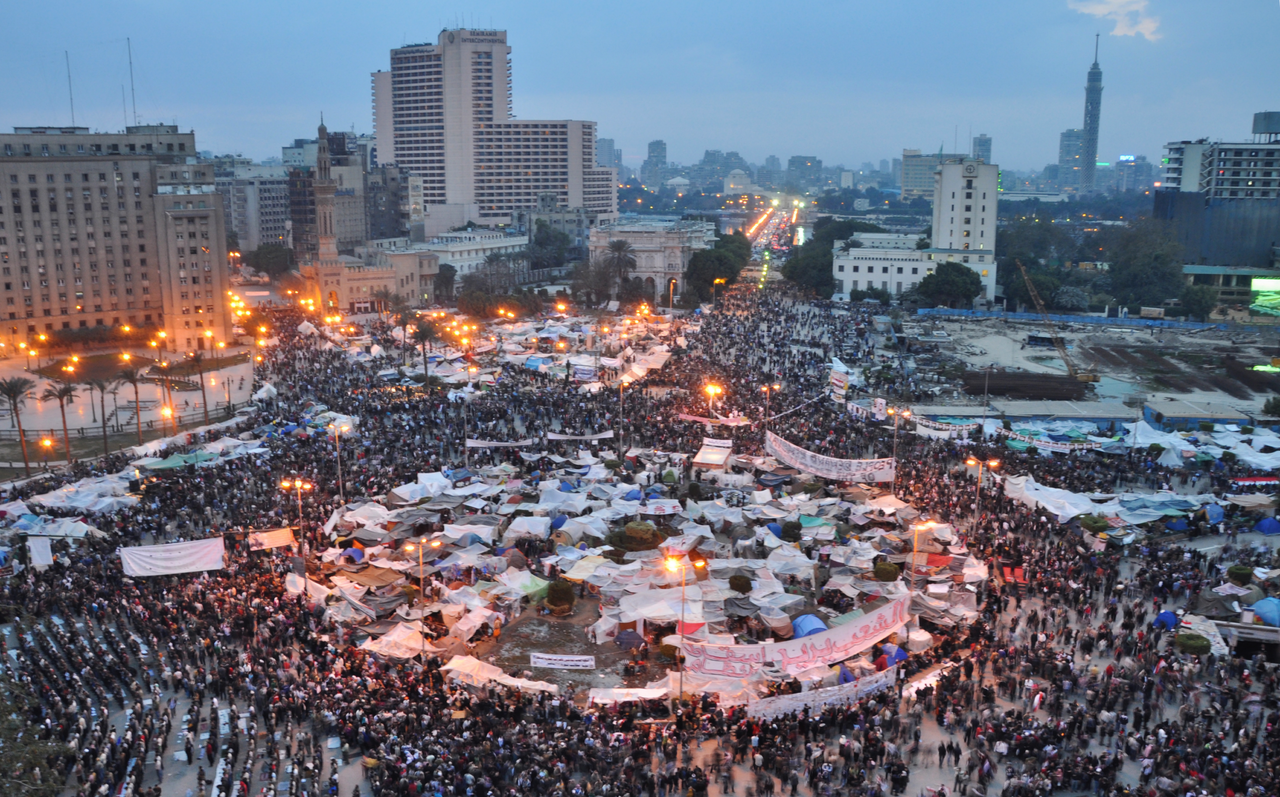
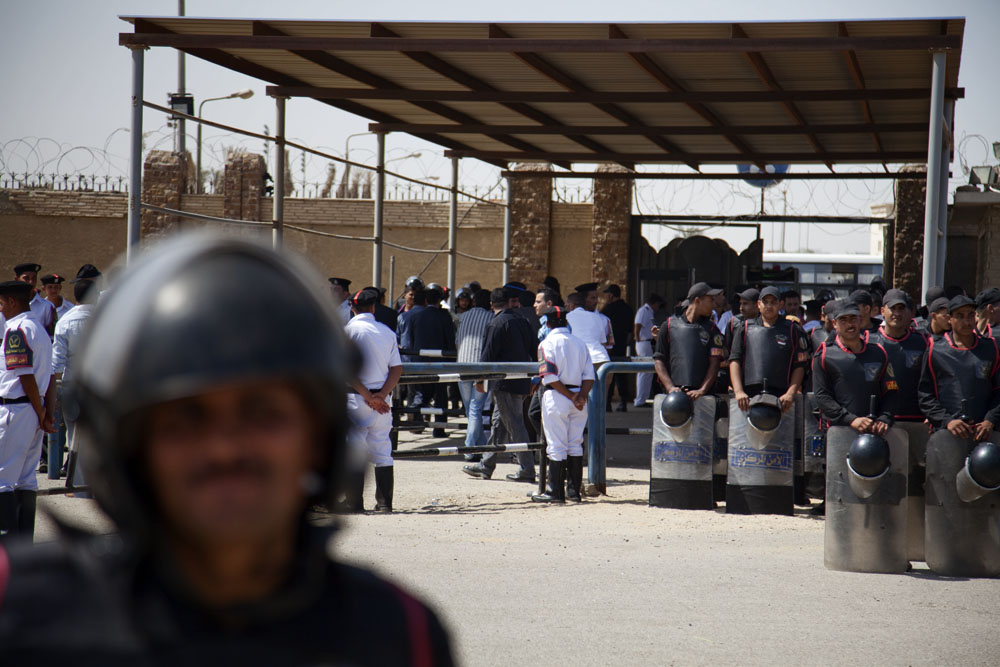
In early 2011 widespread discontent and the wave of protests associated with the Arab Spring led to sustained mass protests in Cairo and other cities. Faced with days of demonstrations and strikes, Mubarak resigned in February 2011 and transferred authority to the armed forces. He later faced criminal proceedings for his role in the deaths of protesters and for alleged corruption. A series of trials produced convictions, appeals, retrials and acquittals; at one point he received a life sentence, which was subsequently overturned and retried in higher courts.
Later life and death
Following his release from custody, Mubarak lived under varying degrees of public scrutiny and health supervision. He spent time under medical care and was hospitalized in a Cairo hospital at intervals. He underwent medical procedures including a surgery in his later years. Mubarak died in 2020; his death closed a controversial and consequential chapter in modern Egyptian history.
Legacy and significance
Mubarak's legacy is contested: supporters credit him with stability, infrastructure development and a pragmatic foreign policy; critics emphasize prolonged political repression, corruption allegations and missed opportunities for democratic reform. His rule remains a reference point for discussions of governance, security, and reform in Egypt and the wider Middle East.
Questions and answers
Q: Who was Hosni Mubarak?
A: Hosni Mubarak was an Egyptian politician who served as President of Egypt from 14 October 1981 to 11 February 2011.
Q: How did he become president?
A: He became the vice-president of the Republic of Egypt after moving up the ranks of the Egyptian Air Force, and then became president after President Anwar Sadat was assassinated on 6 October 1981.
Q: How long did he serve as president?
A: He served almost thirty years as president, making him Egypt's longest-serving ruler since Muhammad Ali Pasha.
Q: Was he considered a dictator?
A: Under the 1971 Constitution of Egypt, Mubarak exercised strong control over the country and was generally considered a dictator.
Q: What happened in early 2011?
A: In early 2011, during the Arab Spring, there were huge protests against his government which eventually led to his resignation and handing over power to the armed forces.
Q: What sentence did he receive in 2012?
A: On 2 June 2012, Mubarak was sentenced to life imprisonment for ordering the shooting of protesters in the revolution that ousted him.
Q: When was he released from prison?
A; He was acquitted on 2 March 2017 by the Court of Cassation and released on 24 March 2017.
Related articles
Author
AlegsaOnline.com Hosni Mubarak: President of Egypt (1981–2011) Leandro Alegsa
URL: https://en.alegsaonline.com/art/120708
Sources
- guardian.co.uk : "Mohamed Morsi sworn in as Egyptian president"
- heraldsun.com.au : "Morsi sworn in as Egypt president"
- af.reuters.com : "Islamist Morsy wins Egyptian presidency with 52 pct"
- topics.nytimes.com : "Hosni Mubarak"
- 3news.co.nz : Egypt's Mubarak to get retrial
- bbc.com : "Egypt's Hosni Mubarak jailed in corruption retrial"
- bostonglobe.com : "Jailed sons of Egypt's deposed leader Hosni Mubarak freed"
- bbc.co.uk : "Egypt's Hosni Mubarak acquitted over 2011 protester deaths"
- bbc.com : "Egypt's Hosni Mubarak freed after six years in detention"
- aljazeera.com : "Egypt's former president Hosni Mubarak dies at 91"
- bbc.com : "Former Egyptian president Hosni Mubarak dies"