
Mikhail Lomonosov: Russian polymath in science, literature, and education
Overview of Mikhail Lomonosov (1711–1765), his life, scientific and literary contributions, role in founding higher education in Russia, and his lasting legacy.
Mikhail Vasilyevich Lomonosov (1711–1765) was a leading figure of eighteenth‑century Russia whose work spanned natural science, language, poetry and institutional reform. He combined experimental research with philosophical reasoning and played a major role in establishing modern scientific and educational traditions in Russia. For an entry with basic dates and context see biographical overview.
Image gallery
10 Images

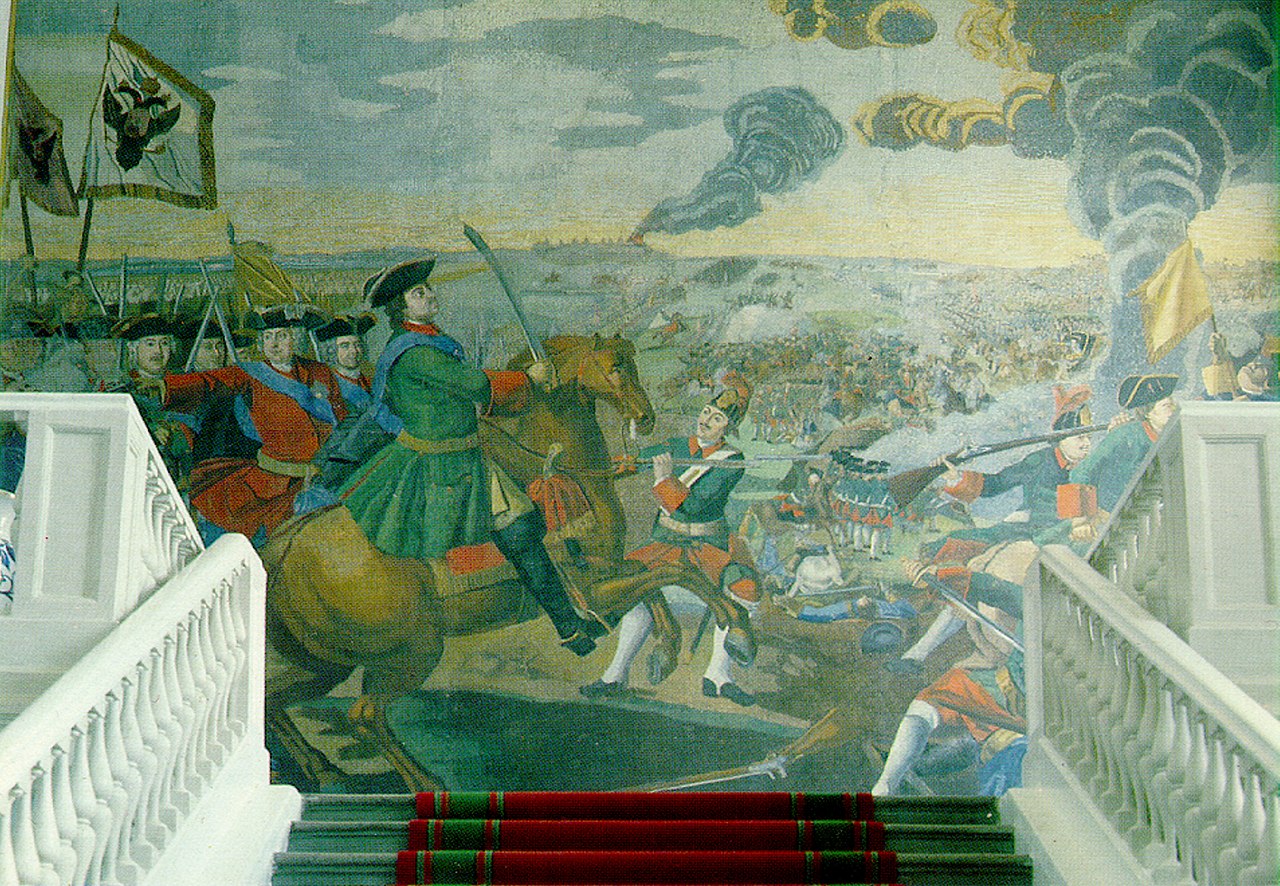

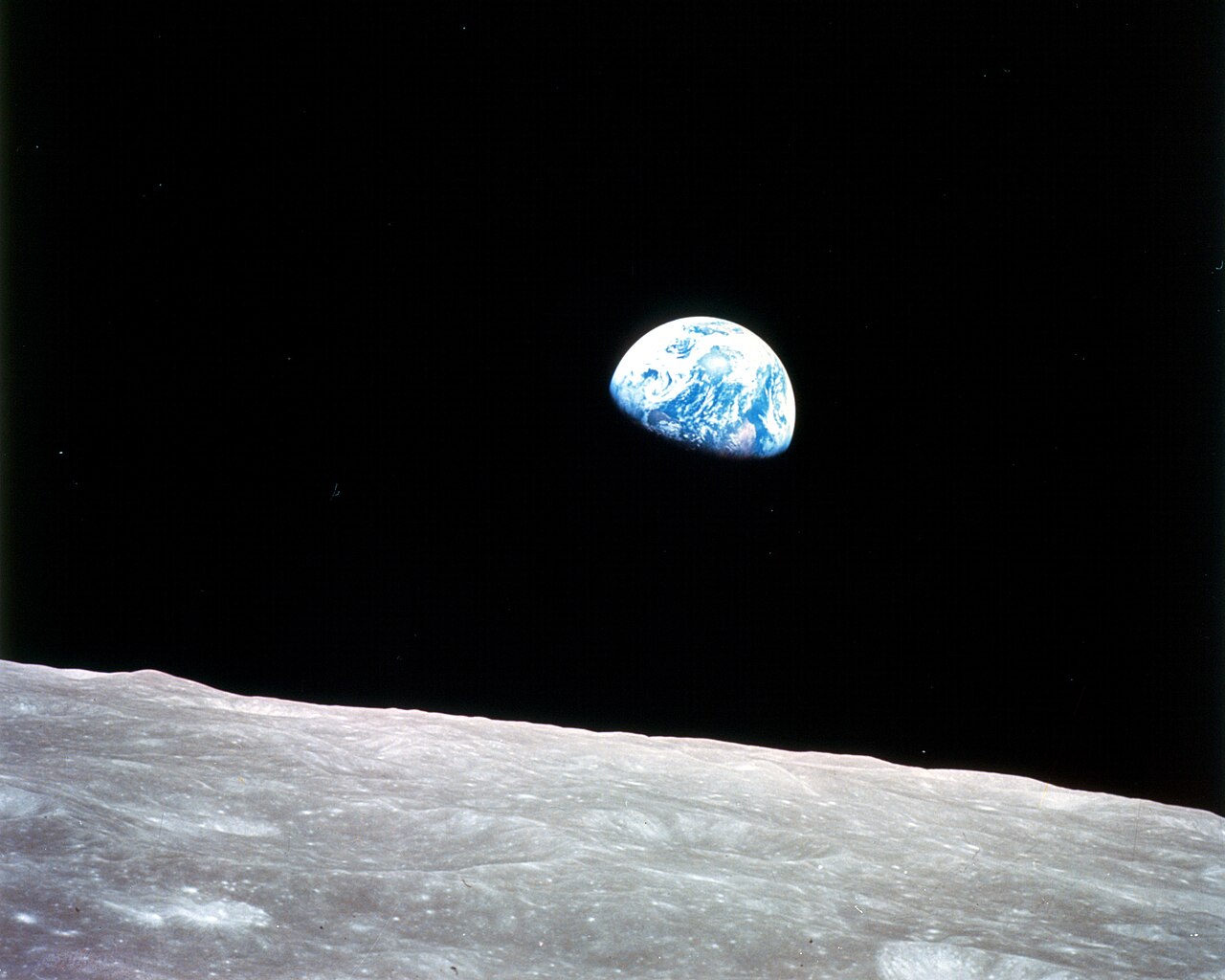


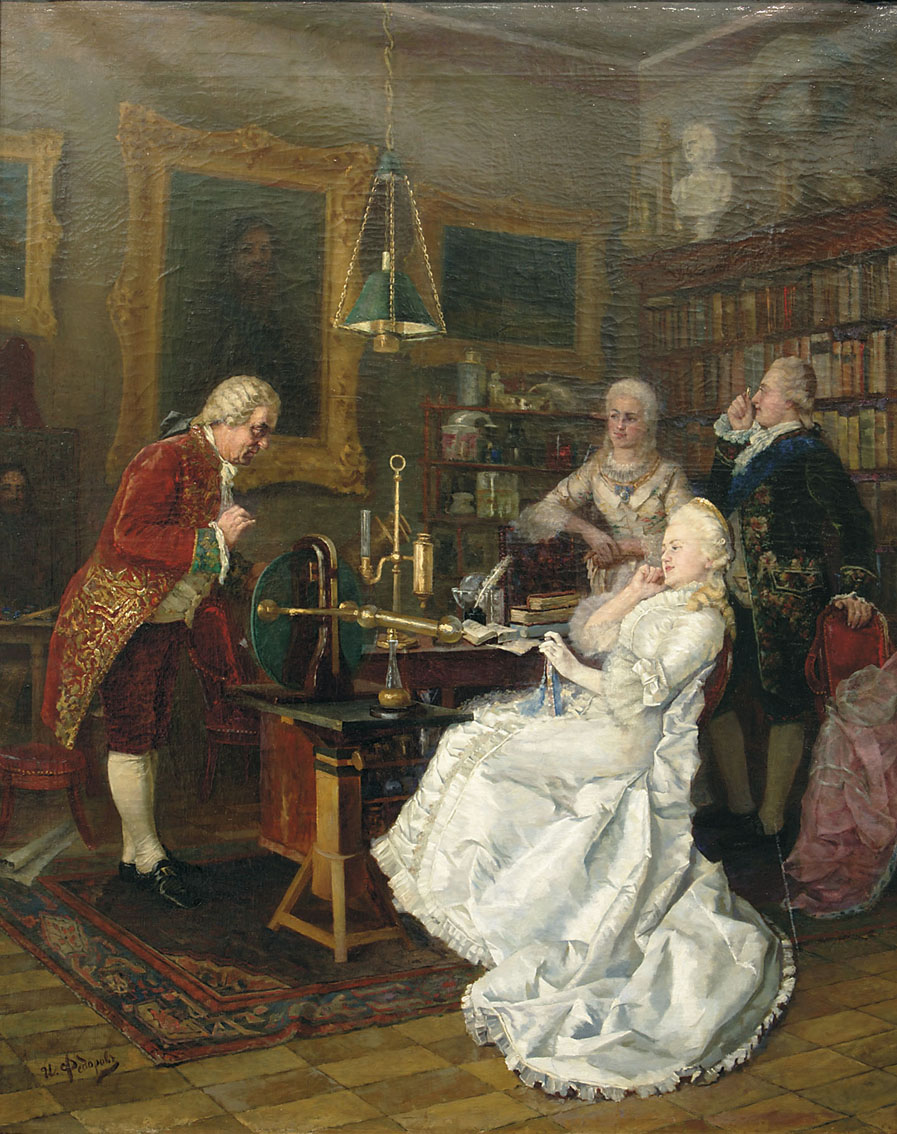
Life and career
Lomonosov was born in a coastal village in northern Russia and pursued studies in Moscow and at the Academy of Sciences in Saint Petersburg before traveling to Western Europe for further training. His time abroad introduced him to contemporary natural philosophy and laboratory practice; he later returned to Russia to lead research, teach, and reform curricula. Key moments of his career are summarized in the Academy records and university histories: education, academic posts, foreign study.
Scientific contributions
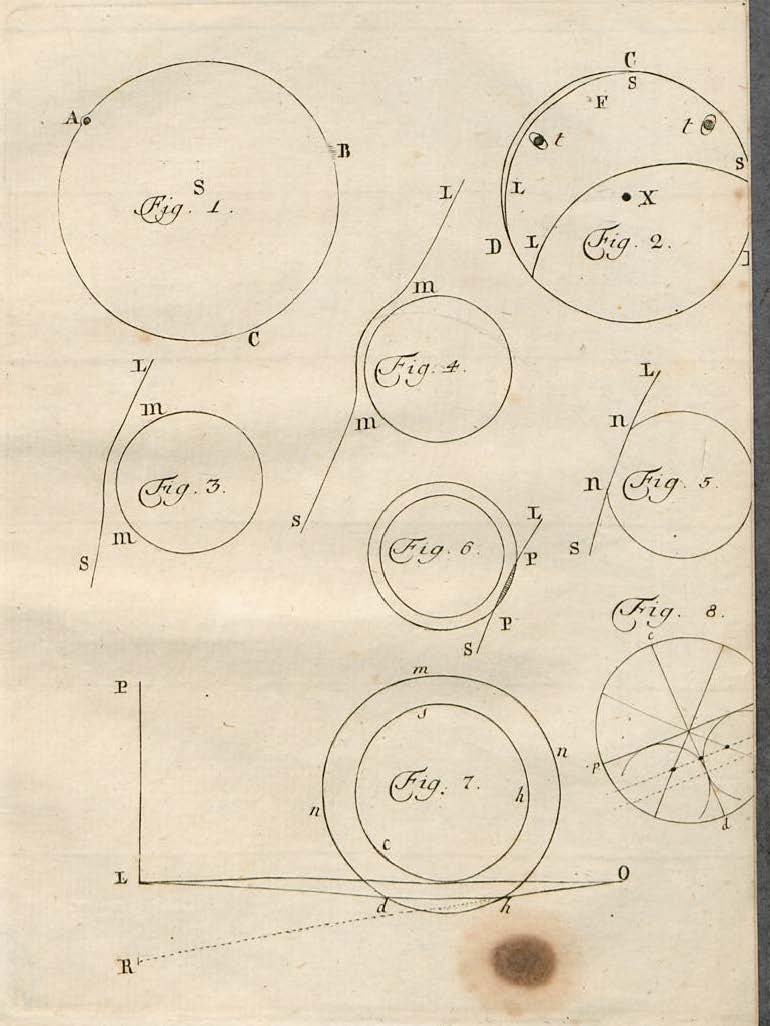
Working across chemistry, physics, optics and mineralogy, Lomonosov advanced ideas that anticipated later developments in physical science. He argued for the conservation of matter in chemical processes and developed a corpuscular view of heat and motion that informed later thermodynamic thinking. He performed experiments in glassmaking and mosaics, studied the atmosphere of Venus during its transit and contributed to the optics of lenses. Selected areas of his work include:
- Chemistry and the concept of material conservation
- Theory of heat and motion in physics
- Mineralogy and practical techniques for work with glass
- Astronomical observations, including evidence for an atmosphere on Venus
- Optical experiments and instrument design
Language, literature and the arts
Beyond the natural sciences, Lomonosov was an influential poet, grammarian and historian of literature. He worked to modernize Russian poetic forms and to standardize elements of the written language, arguing for a flexible literary style that balanced Church Slavonic and vernacular expressions. His literary output and philological essays remain relevant to studies of the Russian language and culture: poetry, philology, art and aesthetics.
Institutional legacy and significance
Lomonosov helped found and reform institutions for science and higher education in Russia; the university established in Moscow in 1755 is a direct outcome of the reforming impulse of his generation. His interdisciplinary model—combining experiment, practical craftsmanship and literary cultivation—shaped later scholars and educators. For discussion of his institutional impact and commemorations see university history, academy records, and memorials.
Notable aspects often highlighted by historians include his integration of experimental work with theoretical reflection, his role in national education, and the breadth of subjects he addressed. Further resources and reading collections are available at: primary sources, scholarly studies, selected translations.
Author
AlegsaOnline.com Mikhail Lomonosov: Russian polymath in science, literature, and education Leandro Alegsa
URL: https://en.alegsaonline.com/art/127040