
Boeing B-17 Flying Fortress
Four‑engine American heavy bomber of WWII, noted for durability, defensive armament and daylight strategic bombing in Europe; widely produced and preserved in museums and collections.
The Boeing B-17, commonly known as the "Flying Fortress," is a four‑engine heavy bomber developed in the 1930s for the United States armed forces. It first flew in 1935 (first flight) and entered operational service in 1938 (introduced). The type earned its nickname because of heavy defensive armament, rugged construction and a reputation for surviving extensive combat damage.
Image gallery
10 Images

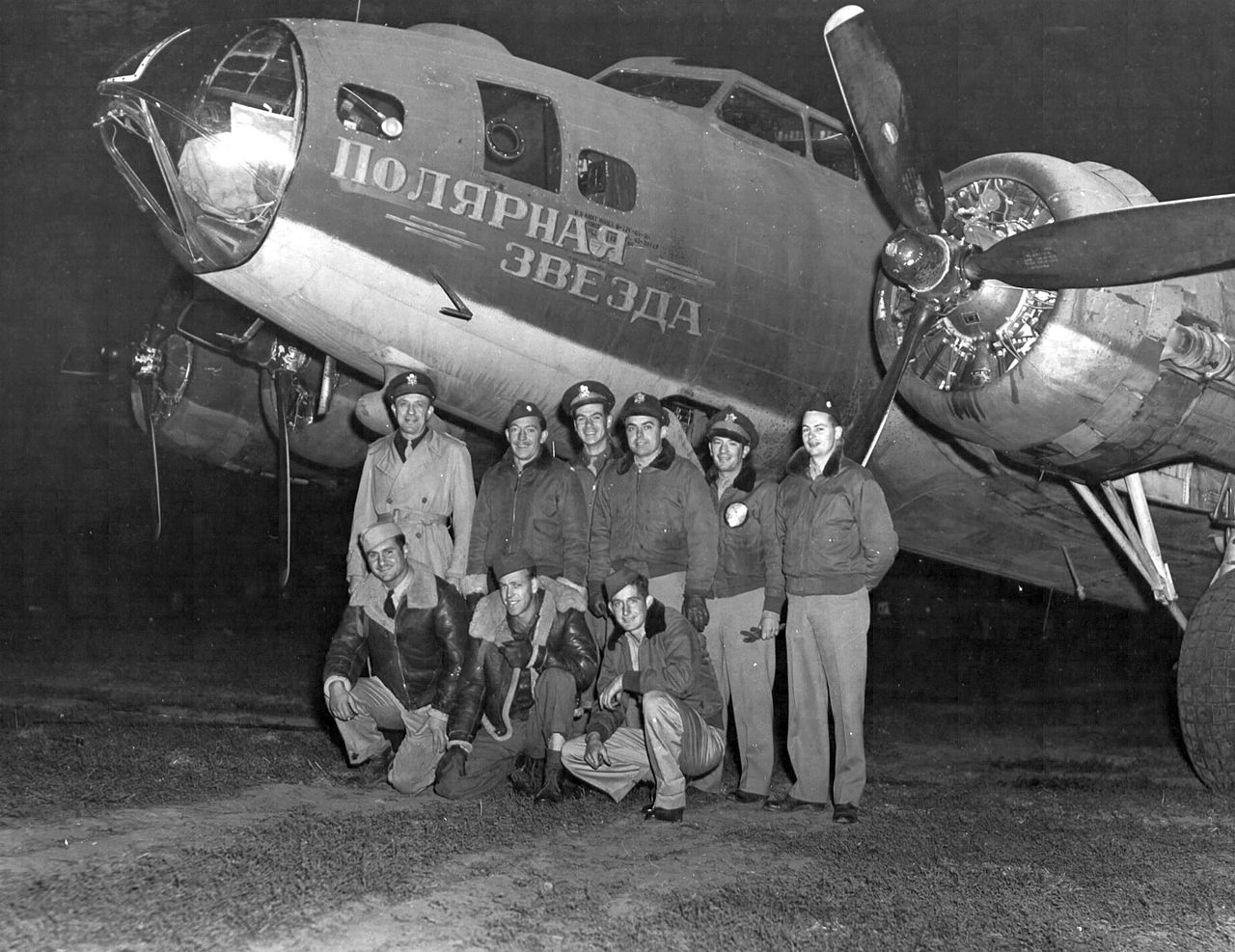


Design and characteristics
The B-17 is a high‑wing, all‑metal monoplane powered by four radial piston engines. It was designed for long‑range, high‑altitude daylight bombing and carried multiple gun positions: nose, dorsal and ventral turrets, waist positions and a tail gun. Crew size varied by model and mission but commonly ranged from eight to ten airmen. The airframe emphasized redundancy and survivability, with later versions incorporating self‑sealing fuel tanks and improved armor in critical areas.
Bomb loads for the B-17 depended on range and target; on many missions the aircraft carried several thousand pounds of bombs internally. Defensive firepower and formation tactics sought to protect bombers during daylight raids, while navigation and bombing equipment evolved to improve accuracy at high altitude.
Development and variants
Boeing and subcontractor factories produced numerous B-17 variants that introduced incremental improvements in engines, armament, bomb sighting and crew accommodations. Notable service variants refined defensive arrangements and added features such as a chin‑mounted machine‑gun position to counter head‑on attacks. Production continued through the war years, with over ten thousand airframes built by Boeing and partner companies. Beyond the basic bomber role, modified airframes served in reconnaissance, air‑sea search, training and other support functions.
Operational history
In the European Theater the B-17 is most closely associated with daylight precision bombing of industrial and military targets in Germany and occupied Europe. Large formations flew coordinated routes and bombing patterns to attack factories, transportation hubs and other strategic objectives. Early in the campaign losses were heavy, and the need for long‑range fighter escorts became clear; the introduction of escort fighters significantly reduced attrition and increased mission effectiveness.
The type also served in the Pacific and other theaters, especially in the early years of the war. B-17s conducted long‑range reconnaissance and bombing flights across ocean distances and supported island campaigns; elements of the type were involved in actions around the time of the Battle of Midway and in wider Pacific operations, although in many island battles shorter‑range naval aviation played a dominant role.
Survivability and notable crews
The Flying Fortress developed a reputation for toughness: crews reported aircraft returning to base with extreme battle damage. Public attention to surviving crews and squadrons—illustrated by well‑known examples such as the "Memphis Belle"—helped shape the aircraft's popular image. Despite its durability, many B-17s were lost to enemy fighters, anti‑aircraft fire and operational accidents during the war; improved tactics and support reduced losses later in the conflict.
Legacy
The B-17 played a central role in the development of strategic daylight bombing doctrine and left a lasting legacy in aviation history. It is represented in wartime films, literature and veterans' memoirs, and a number of airframes have been restored for display in museums and flying collections. The aircraft remains a symbol of the air war over Europe and of the technical and human challenges of long‑range strategic bombing.
Quick summary — typical features
- Powerplant: four radial piston engines.
- Crew: commonly eight to ten airmen depending on variant and mission.
- Armament: multiple defensive machine‑gun positions in nose, waist, dorsal, ventral and tail locations.
- Bombing capability: internal loads of several thousand pounds, adjusted for range and target.
- Role: long‑range strategic bombing, reconnaissance and various support duties across theaters.
For further context and archival material see links on the role of the heavy bomber, the United States air arm in World War II, contemporary accounts of the aircraft's first flight and service entry (introduced), accounts of allied bombing campaigns including the raid on Dresden, and sources on Pacific operations and Midway.
Related articles
Author
AlegsaOnline.com Boeing B-17 Flying Fortress Leandro Alegsa
URL: https://en.alegsaonline.com/art/12650