
Martha Nussbaum: Philosopher of Ethics, Emotions and the Capabilities Approach
Martha Nussbaum (born 1947) is an American philosopher whose work spans moral and political philosophy, feminism, ancient Greek thought, and the capabilities approach to justice.
Overview
Martha Craven Nussbaum, born in 1947, is a leading American public philosopher and academic known for work on ethics, political philosophy and feminism. She was born in New York City — see birthplace — and is widely identified as an American thinker. Her writing engages questions in philosophy, ethics and public life, and she is often described as a feminist scholar. She holds a long-term appointment at the University of Chicago; for current information see her profile at the university.
Image gallery
4 Images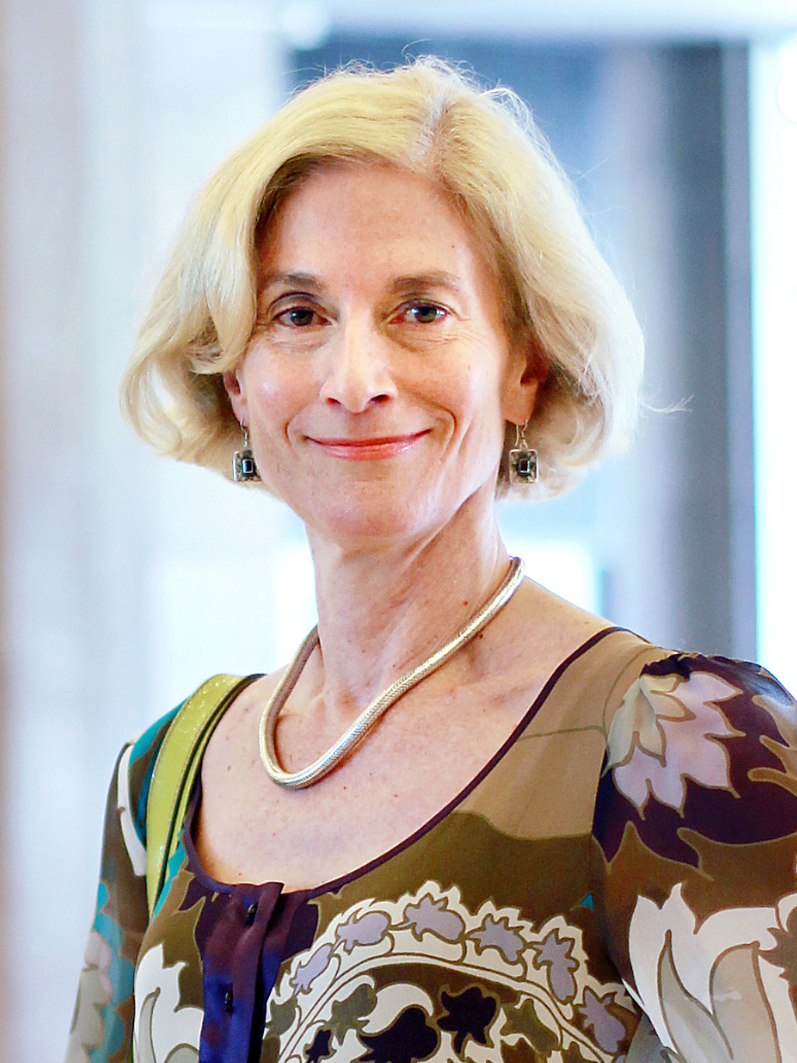


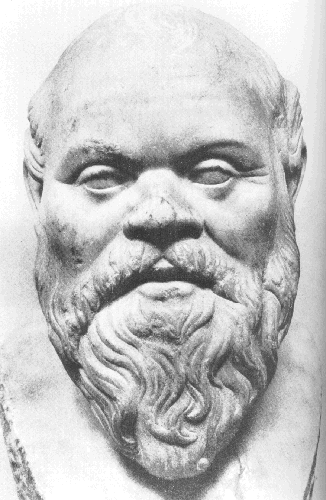
Main ideas and contributions
Nussbaum is best known for advocating a capabilities approach to social justice, a framework that focuses on what individuals are actually able to do and to be. While developed in dialogue with economist Amartya Sen, her version places special emphasis on dignity, human flourishing and the role of emotions in moral life. She has written on how compassion, love, and grief affect practical reasoning and public policy, arguing that emotions have cognitive and ethical importance rather than being mere private feelings.
Career, education and intellectual roots
Nussbaum received her early training at institutions including New York University and Harvard University, where she completed advanced work in philosophy and classics. Over decades she has combined study of ancient Greek literature and ethics with contemporary political theory. Before her long-term position in Chicago she held academic posts at other American universities and taught across law, philosophy and classics departments.
Works and topics
- Ancient ethics and literature: uses of Greek tragedy and philosophy to illuminate moral questions.
- Capabilities and human development: a normative framework for evaluating well-being and social arrangements.
- Feminist philosophy and gender justice: analyses of gendered disadvantage and policy responses.
- Emotions in moral reasoning: study of how feelings shape justice, law and public life.
Her books and essays address both theoretical questions and concrete policy concerns, ranging from education and disability to international human rights and global justice.
Influence, public engagement and notable facts
Nussbaum's work has influenced academic debates in ethics, law, development studies and feminist theory, and it has been applied in policy discussions about capability-based measures of human welfare. She has a sustained interest in South Asian politics and philosophy and has written about India in comparative and legal contexts; see materials linked at resources on India. She is also known for bringing classical texts into contemporary moral argument.
Outside strictly academic writing she has participated in public debates about education, secularism, religion and global justice, including reflections on religion and public reason (religion). Personal details sometimes noted in biographical accounts include her formal conversion to Judaism in 2008, reported in public sources (conversion).
Further reading and resources
To explore primary works and biographies consult university pages and publication lists; introductory overviews and course materials can be found through academic profiles and bibliographies at institutional pages such as University of Chicago and other archives (biographical, national context, feminist reception, philosophical themes, ethical writings, religious discussions, India-related work, education, graduate training, personal biography).
Author
AlegsaOnline.com Martha Nussbaum: Philosopher of Ethics, Emotions and the Capabilities Approach Leandro Alegsa
URL: https://en.alegsaonline.com/art/126213