
Manfred Wörner: West German Defense Minister and NATO Secretary General
Biography of Manfred Wörner (1934–1994), German politician, West German Defence Minister (1982–1988) and NATO Secretary General (1988–1994), who led the Alliance through the end of the Cold War and German reunification.
Manfred Hermann Wörner (24 September 1934 – 13 August 1994) was a prominent German politician and diplomat. Born in Stuttgart-Bad Cannstatt, he served as West Germany's Defence Minister from 1982 to 1988 and then became the seventh Secretary General of NATO, holding that post from 1988 until his death in Brussels in 1994. His leadership coincided with a period of rapid political change in Europe.
Image gallery
3 Images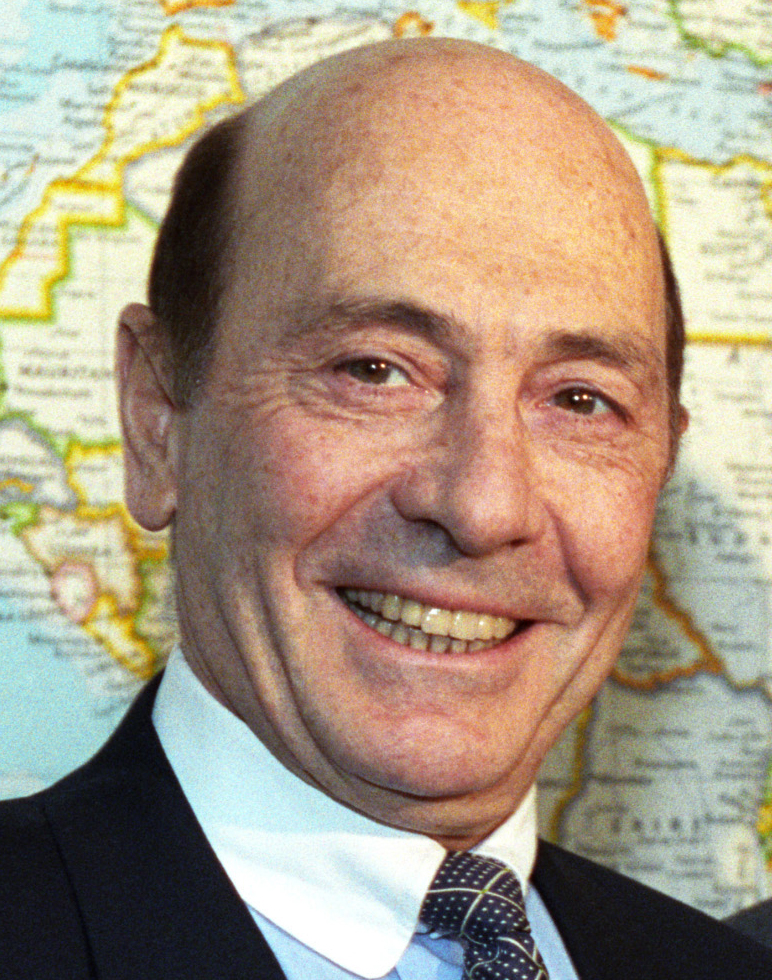


Early life and political rise
Wörner trained as a lawyer and entered public life as a member of the Christian Democratic movement. He was elected to the Bundestag and held several party and parliamentary responsibilities before joining the federal cabinet. As Defence Minister he was responsible for shaping West Germany's military policy within the NATO framework during a tense phase of the Cold War.
Defence Minister (1982–1988)
During his tenure as minister, Wörner emphasized the integration of German forces into NATO defense planning and supported modernization programs for conventional and allied deterrent capabilities. He often defended the transatlantic link with the United States as central to European security and worked on alliance cohesion amid debates over arms and deployments.
NATO leadership and historical context
Appointed NATO Secretary General in 1988, Wörner guided the Alliance through the end of the Cold War and the political upheavals that followed. Key developments during his term included the collapse of communist regimes across Eastern Europe and German reunification. Wörner supported efforts to adapt NATO's purpose and partnerships to a changing security landscape and to open dialogue with former adversaries.
Health, death and legacy
Wörner was publicly known to have been diagnosed with colorectal cancer while serving in Brussels. He continued to carry out his duties despite his illness and died in office in August 1994. His tenure is remembered for steering the Alliance through a transition from confrontation to cooperative security and for being the first German to occupy NATO's top civilian post.
Significance and notable facts
- One of the senior figures who presided over NATO's reorientation after 1989.
- Instrumental in promoting dialogue and practical engagement with newly independent and post-communist states.
- His appointment symbolized West Germany's restored role in European security structures following post‑war restraints.
Further reading and archival material can be found through institutional and historical collections that document late 20th‑century European and transatlantic relations. For contemporary overviews see official profiles and defense histories maintained by allied institutions and national archives.
Birthplace | Place of death | Nationality | Political life | Defence role | NATO office | Alliance | Cold War | Reunification | Health
Related articles
Author
AlegsaOnline.com Manfred Wörner: West German Defense Minister and NATO Secretary General Leandro Alegsa
URL: https://en.alegsaonline.com/art/125763