
Secretary General of NATO
Chief civilian official of the North Atlantic Treaty Organization; coordinates alliance politics, chairs the North Atlantic Council, represents NATO internationally and oversees the international staff.
The Secretary General of NATO is the alliance's senior civilian official who coordinates the political work of member governments and leads the organization's international staff. Appointed by the member states, the Secretary General acts as NATO's principal spokesperson, convenes and chairs many of its meetings and helps build consensus among allies. The office is based at NATO Headquarters in Brussels and operates within the framework of the North Atlantic Treaty Organization (NATO).
Image gallery
10 Images

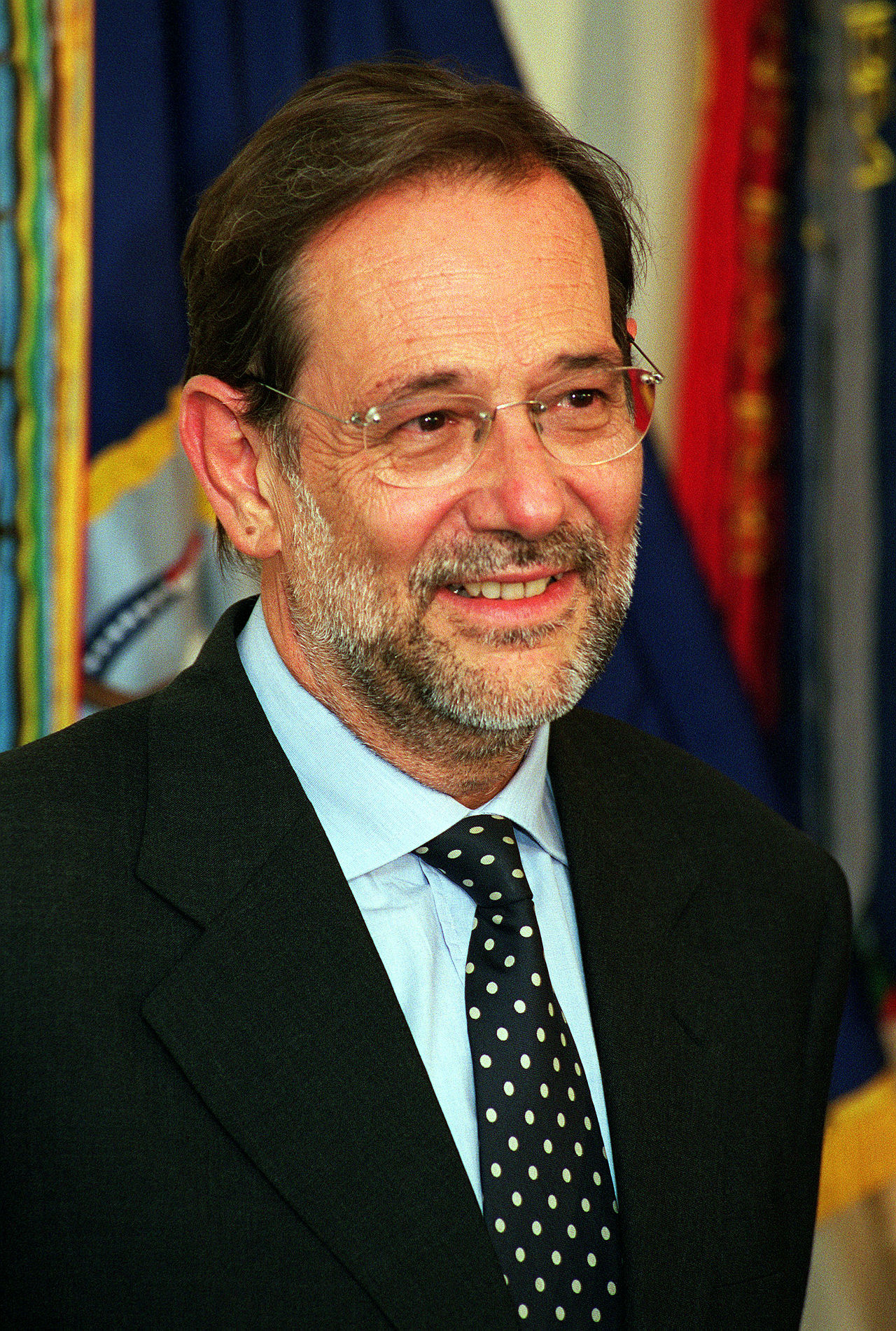


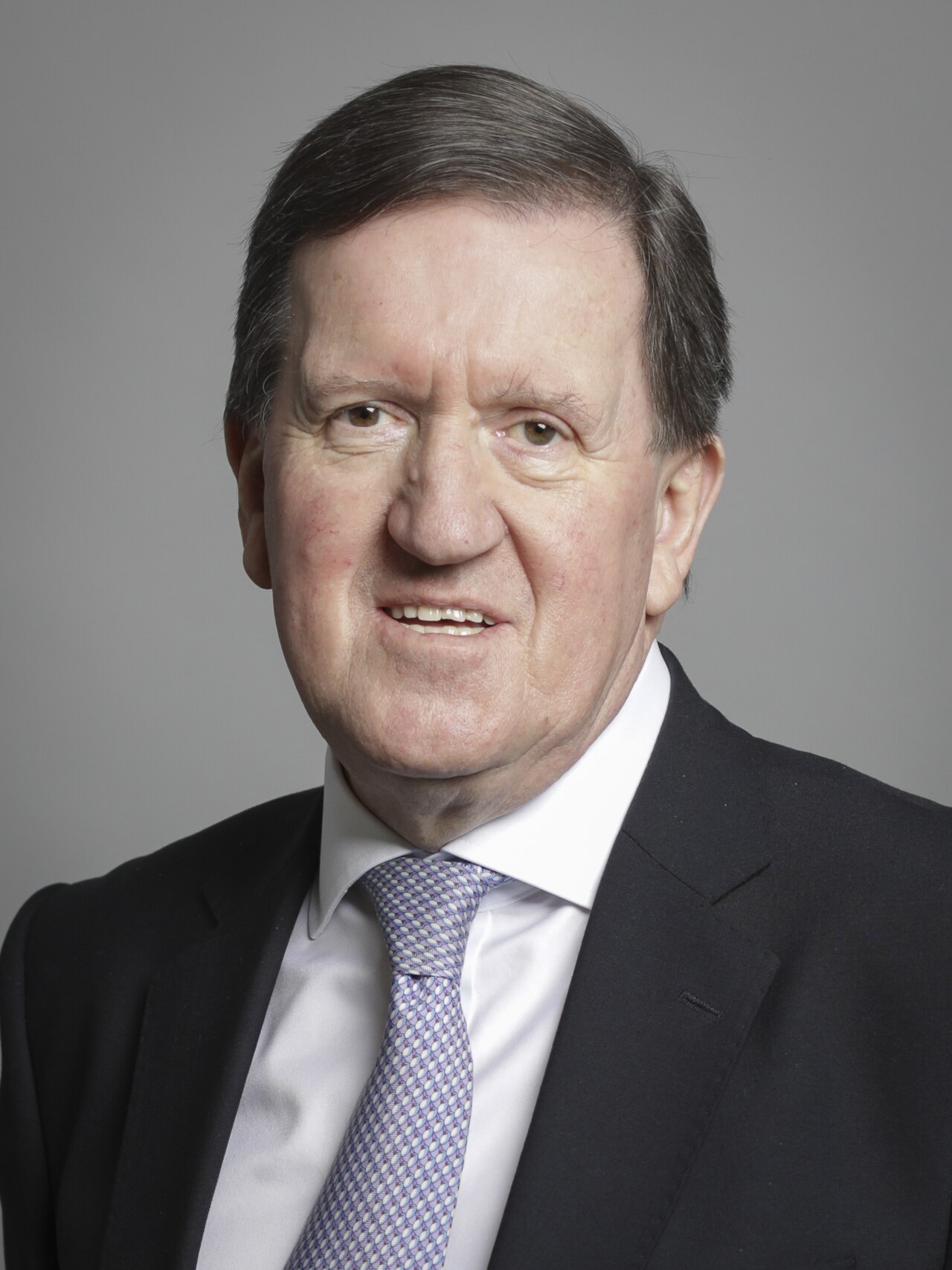


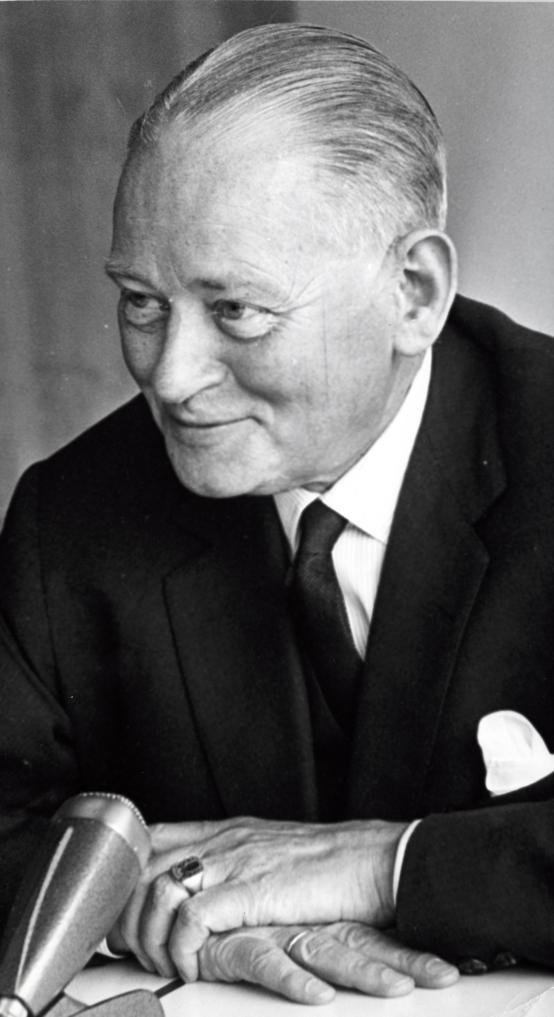
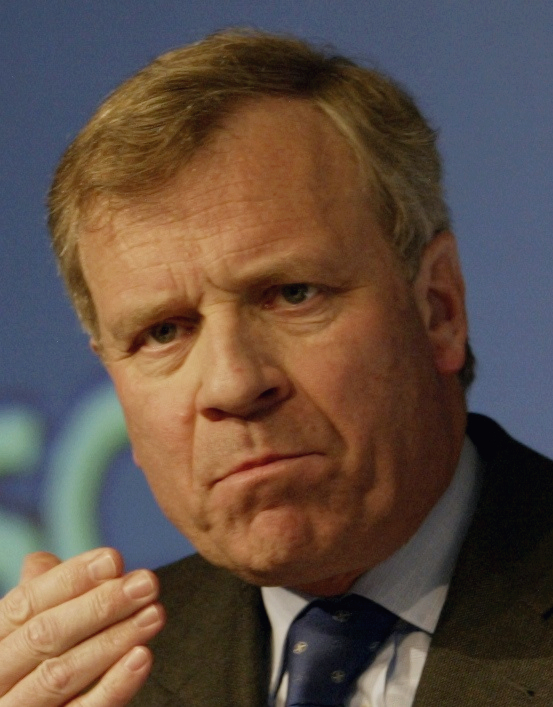
Core responsibilities
The main duties of the Secretary General combine managerial, diplomatic and representational functions. Key responsibilities include:
- Chairing sessions of the North Atlantic Council and most major committees and steering their work, while respecting the role of national representatives and ministers (North Atlantic Council).
- Leading the International Staff that supports policy development, planning, public diplomacy and daily operations across NATO’s civilian structures.
- Serving as the alliance's public face in contacts with non-member states, international organizations and the media.
- Acting as a mediator and coordinator to help resolve differences and enable collective decision-making among member states.
Selection, term and office
The Secretary General is selected by consensus of NATO member governments. The appointment is political rather than electoral: governments nominate candidates and the North Atlantic Council confirms the choice. Terms are typically set for a number of years and may be renewed by agreement of the allies; in practice, terms have often been four years with possible extensions depending on political circumstances. The holder is a senior statesperson, frequently a former prime minister, foreign minister or senior diplomat.
History and notable holders
The post of Secretary General has existed since the alliance's early years. It was created to provide a permanent, civilian focal point for coordination among NATO members after the treaty's founding. Early officeholders helped shape institutional practices and the balance between political direction and military command. Some well-known Secretaries General have included those from a variety of member countries; the role has often been filled by experienced national leaders who bring diplomatic credibility and administrative experience to the office.
The current Secretary General is Jens Stoltenberg, a former prime minister whose career in national politics preceded his NATO appointment. He took office in October 2014. Stoltenberg is from Norway and his tenure illustrates the modern pattern of appointing high-level politicians to the post.
Relationship with military authorities and limits of authority
It is important to distinguish the Secretary General's civilian leadership from NATO's military chain of command. The Secretary General does not exercise operational military command; military direction is provided by the alliance's senior uniformed officers and the NATO Military Committee. The Secretary General chairs political bodies and influences strategy through persuasion and consensus-building rather than issuing military orders.
Importance and notable functions
Beyond daily administration, Secretaries General play crucial roles at times of crisis. They convene emergency meetings, propose political solutions, coordinate statements by allies and represent NATO at international summits and negotiations. The office also promotes internal cohesion, helps prepare ministerial and heads-of-state summits, and oversees public messaging in both of NATO’s official languages, English and French. The French title for the post is Secrétaire général de l'OTAN, reflecting the alliance's bilingual traditions.
Because the office is shaped by collective agreement, the Secretary General's influence depends on personal authority, diplomatic skill and the willingness of member states to follow their lead. That blend of managerial responsibility and political brokerage makes the Secretary General a central figure in maintaining the cohesion and effectiveness of the transatlantic alliance.
Related articles
Author
AlegsaOnline.com Secretary General of NATO Leandro Alegsa
URL: https://en.alegsaonline.com/art/88469
Sources
- nato.int : NATO Secretary General
- bbc.com : "Nato names Stoltenberg next chief"
- independent.co.uk : "Hunt is on to find new Nato chief"
- nytimes.com : "Facing Charges, NATO Head Steps Down"
- nytimes.com : "NATO Secretary General to Leave His Post in December After 4 Years"
- nytimes.com : "NATO Chief Steps Down"
- nytimes.com : "NATO Names a Dutchman To Be Its Secretary General"
- nytimes.com : "New NATO Chief Takes Over"
- nato.int : "The extension of the Secretary General's mandate"