
Malcolm Rifkind
British Conservative politician who held senior cabinet posts under Thatcher and Major, chaired the Intelligence and Security Committee, and served as MP for Edinburgh Pentlands and Kensington.
Overview
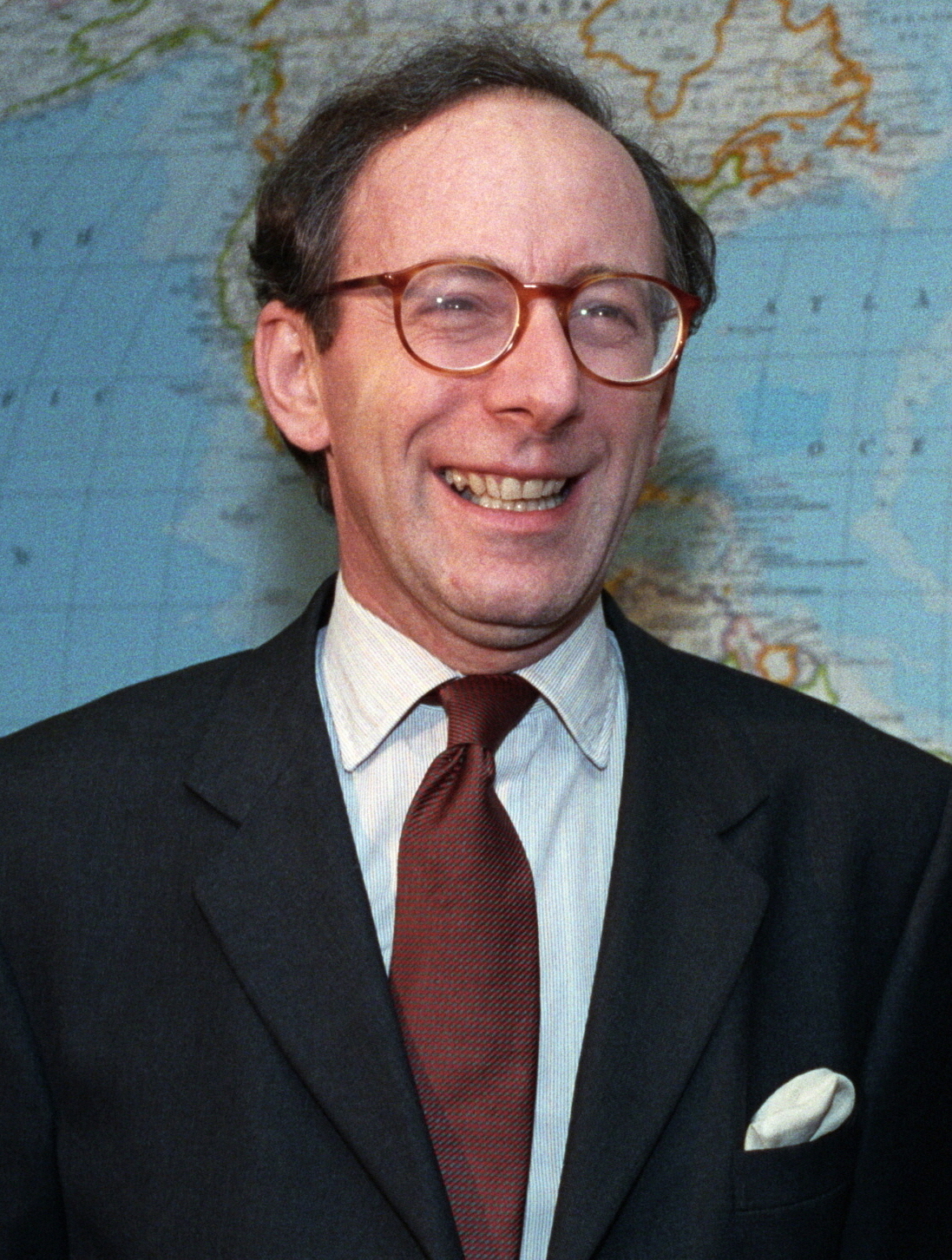
Sir Malcolm Leslie Rifkind (born 21 June 1946) is a British politician long associated with the Conservative Party. Across a parliamentary career that began in the 1970s he held several senior cabinet offices and became widely known for his work on foreign policy, defence and intelligence oversight. He represented constituencies in Scotland and London and returned to the House of Commons after a period out of parliament.
Image gallery
5 Images


Early life and education
Rifkind was born in Edinburgh into a family of Jewish background whose ancestors originated in Lithuania. He was raised and educated in Scotland where his early experiences and community connections informed his interest in public service. His family origins and cultural background, sometimes described in contemporary profiles as Jewish heritage, have been part of his public identity.
Parliamentary career
He was first elected at the February 1974 general election for Edinburgh Pentlands and established a reputation as an engaged constituency MP and parliamentary operator. Over the following two decades he served under party leaders including Margaret Thatcher and John Major, holding a sequence of ministerial roles. After losing his Scottish seat in 1997, he stood again in 2001 and later returned to Parliament in 2005 as Member for Kensington.
Ministerial appointments
Rifkind's ministerial career spanned domestic and international departments. He served in ministerial and cabinet posts with responsibilities ranging from Scottish affairs to defence and foreign relations. Key appointments included:
- Minister of Home Affairs and the Environment, Scottish Office (1979–1983)
- Minister of State, Foreign Office (1983–1986)
- Secretary of State for Scotland (1986–1990)
- Secretary of State for Transport (1990–1992)
- Secretary of State for Defence (1992–1995)
- Secretary of State for Foreign and Commonwealth Affairs (1995–1997)
Foreign policy and defence
As a long-serving minister with portfolios in defence and foreign affairs, Rifkind took part in debates and decisions on NATO, arms policy and British diplomatic priorities in the final decade of the twentieth century. His time as Foreign Secretary placed him at the centre of bilateral and multilateral discussions at a time of significant international change. Commentators often cite his experience across departments as contributing to a rounded view of security and diplomatic matters.
Intelligence oversight and later public roles
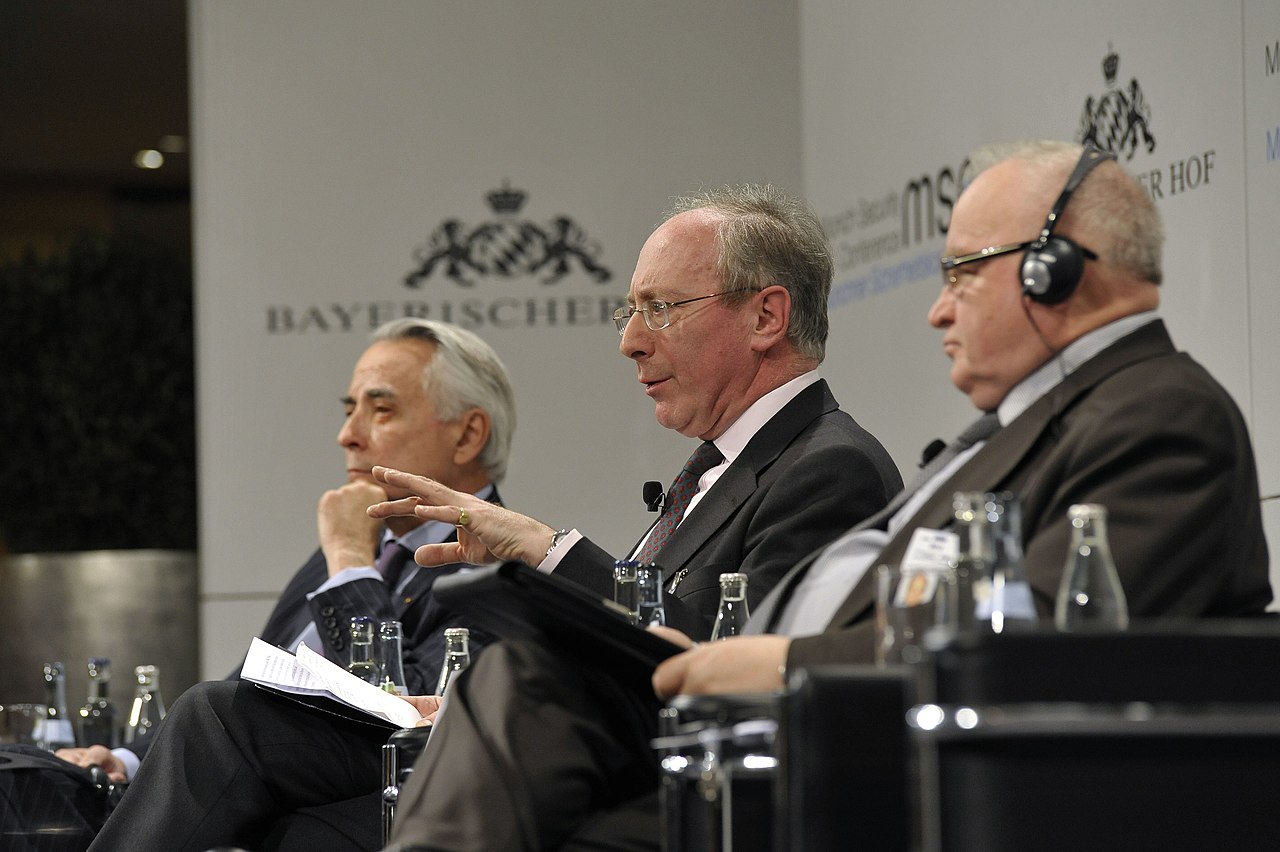
Following his return to Parliament for Kensington, Rifkind served as Chairman of the Intelligence and Security Committee (ISC), the parliamentary body charged with oversight of the United Kingdom's intelligence agencies. In that capacity he sought to balance the need for secrecy in sensitive operations with the democratic requirement for scrutiny. After leaving the Commons in 2015 he continued to appear in public discussion, write and advise on international affairs and security matters.
Political stance and reputation
Rifkind has been regarded as a pragmatic conservative with a reputation for detailed policy knowledge, particularly in foreign policy and defence. He has often been described as a moderate or centrist figure within his party and as someone who emphasised institutional competence and cross-party engagement on security issues. His background in Scottish constituencies and later London politics gave him a broad perspective on United Kingdom affairs.
Later life, honours and non-parliamentary activity
Styled Sir Malcolm Rifkind after receiving a knighthood, he undertook advisory work, public speaking and occasional media commentary on defence and diplomacy. His post-parliamentary activities included participation in think tanks, lectures and contributions to policy discussions. He has been consulted as an experienced former minister and continues to be referenced in accounts of late twentieth-century Conservative governments.
Personal life and legacy
Rifkind's career illustrates a route from local and regional politics to high office in Whitehall. He is noted for the breadth of departments he led and for a long-standing interest in international affairs. Observers point to his role in parliamentary oversight of intelligence as a significant element of his later public service. For a concise overview of his parliamentary history and offices, see related entries on biographical sources and summaries of cabinet roles.
Keywords: Conservative Party, Margaret Thatcher, John Major, Kensington, Edinburgh, Jewish heritage, Lithuanian roots.
Questions and answers
Q: Who is Sir Malcolm Rifkind?
A: Sir Malcolm Rifkind is a British Conservative Party politician who held cabinet positions in the governments of Margaret Thatcher and John Major.
Q: Where was Malcolm Rifkind born and to which family did he belong?
A: Malcolm Rifkind was born in Edinburgh into a Jewish family from Lithuania.
Q: When did Malcolm Rifkind first become a Conservative MP?
A: Malcolm Rifkind first became a Conservative MP at the February 1974 General Election for the constituency of Edinburgh Pentlands.
Q: What were some of Malcolm Rifkind's cabinet posts?
A: Some of Malcolm Rifkind's cabinet posts included Minister of Home Affairs and the Environment at the Scottish Office, Minister of State at the Foreign Office, Secretary of State for Scotland, Secretary of State for Transport, Secretary of State for Defence, and Secretary of State for Foreign and Commonwealth Affairs.
Q: When did Malcolm Rifkind lose his seat to the Labour Party?
A: Malcolm Rifkind lost his seat to the Labour Party at the 1997 General Election.
Q: Did Malcolm Rifkind ever try to regain his seat?
A: Yes, Malcolm Rifkind tried but failed to regain his seat at the 2001 General Election.
Q: When did Malcolm Rifkind re-enter parliament and as which MP?
A: Malcolm Rifkind re-entered parliament in 2005 as the MP for Kensington.
Related articles
Author
AlegsaOnline.com Malcolm Rifkind Leandro Alegsa
URL: https://en.alegsaonline.com/art/125731