
Bobby 'The Brain' Heenan: Career, Style, and Legacy
Comprehensive overview of Bobby Heenan, the influential wrestling manager, performer, and color commentator, covering his career, signature style, health struggles, and lasting impact on professional wrestling.
Overview
Raymond Louis "Bobby" Heenan (November 1, 1943 – September 17, 2017), widely known as Bobby "The Brain" Heenan, was a prominent figure in American professional wrestling as a manager, occasional in-ring performer and color commentator. Heenan earned a reputation for razor-sharp wit, deftly engineered villainy, and the ability to draw strong negative reactions—"heat"—from audiences toward the wrestlers he represented and toward himself as an on-screen personality. His work across the American Wrestling Association, the World Wrestling Federation and World Championship Wrestling helped shape modern broadcast and managerial roles in the sport. For further reading about his early roles see professional wrestling manager.
Image gallery
10 Images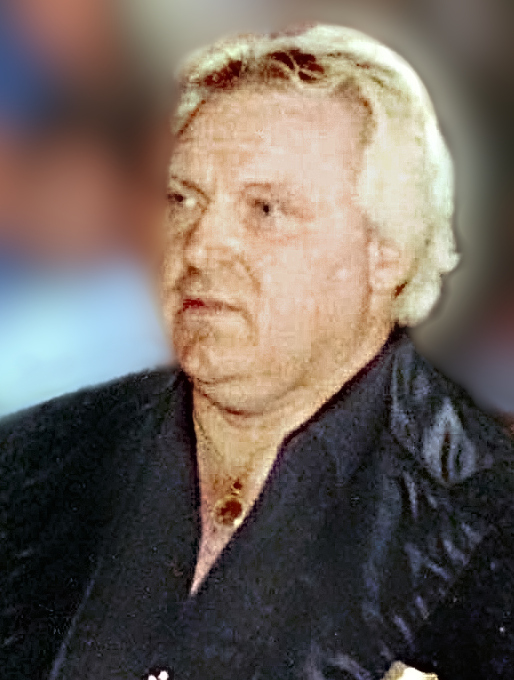

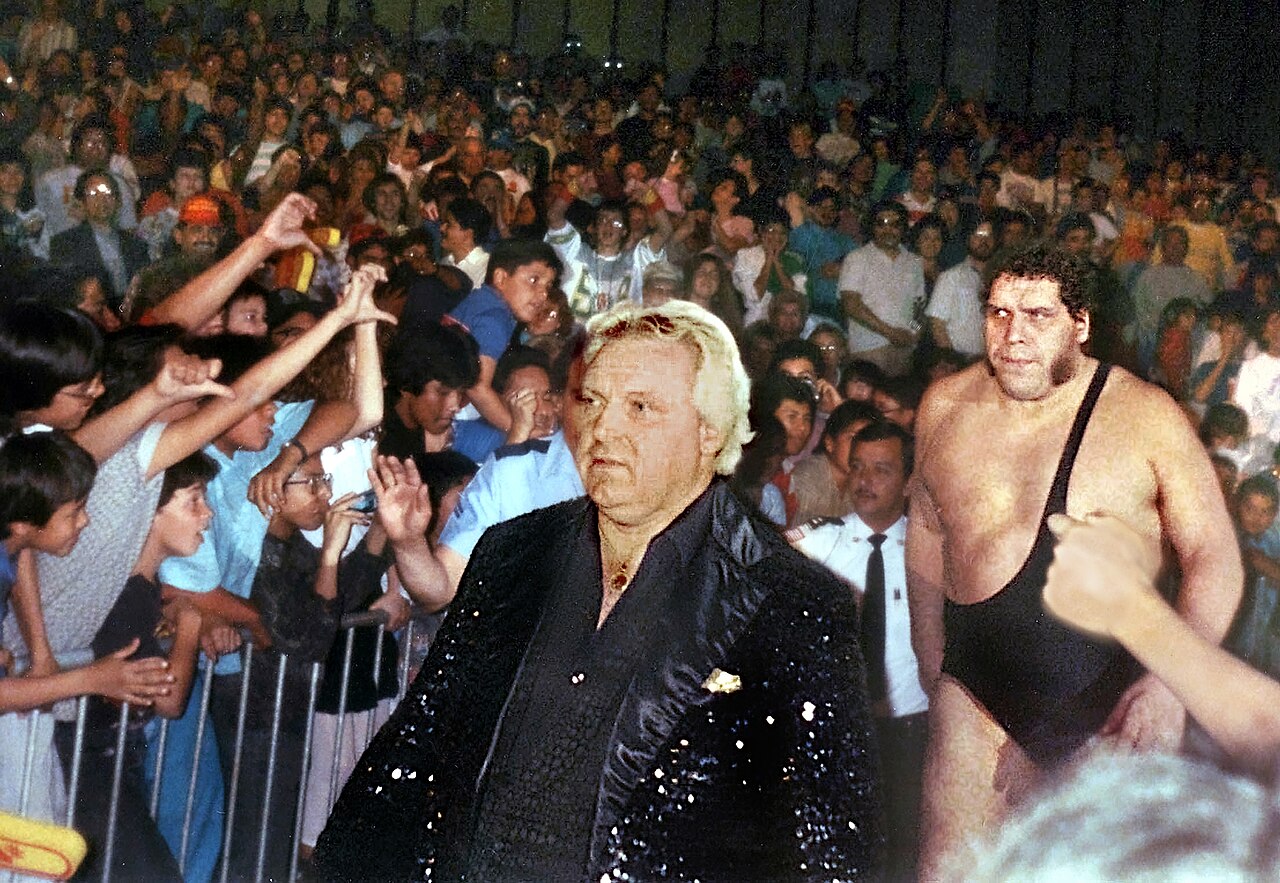


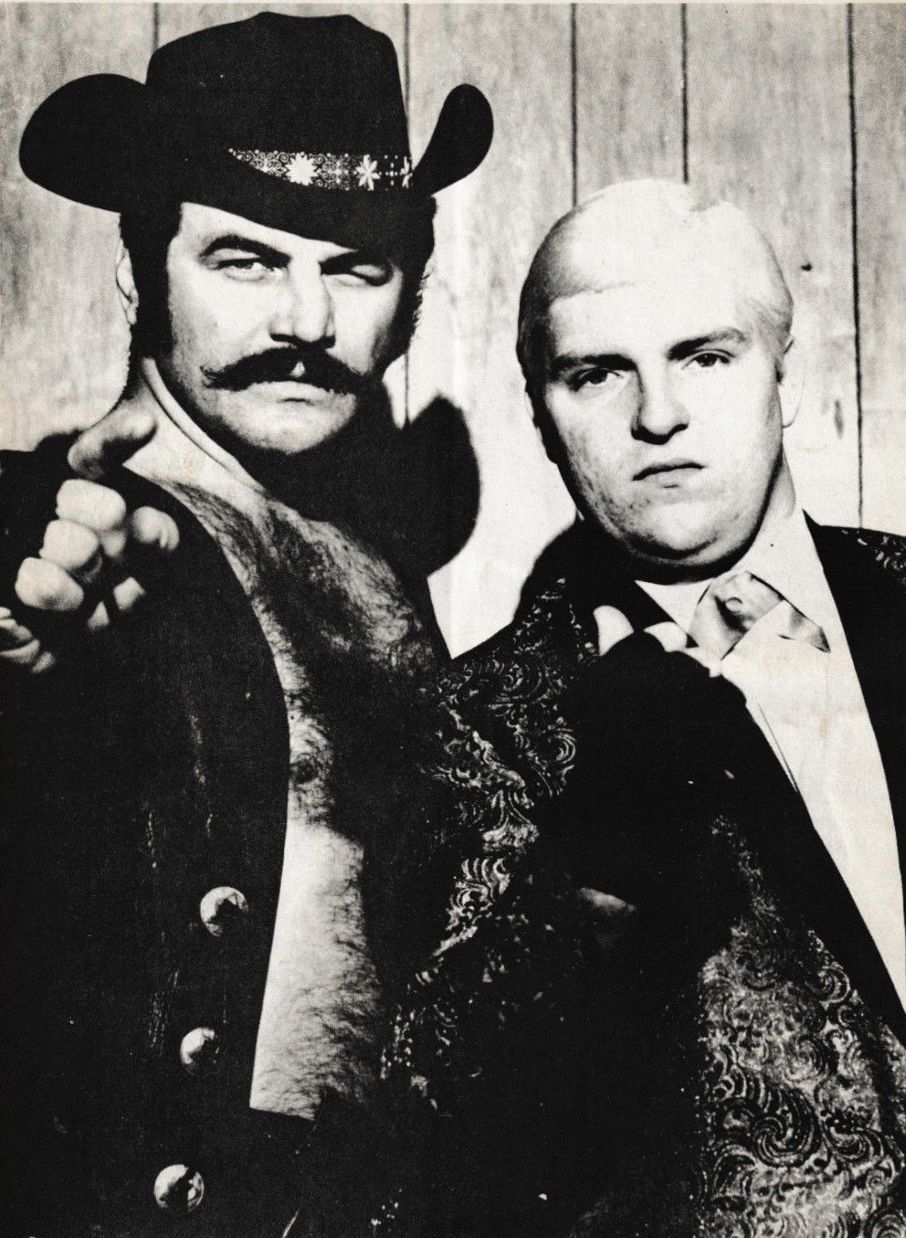
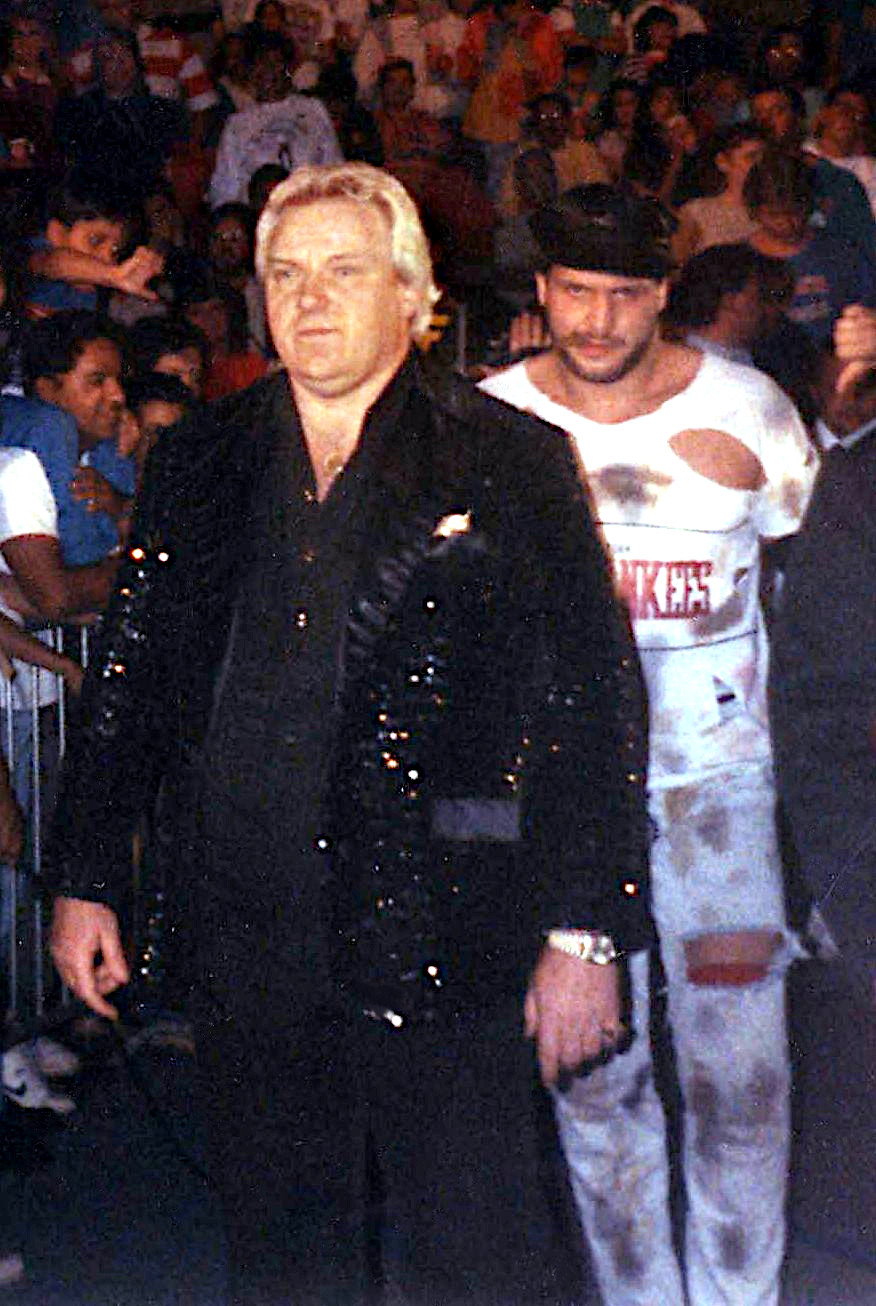
Career and approach
Heenan's career spanned several decades and multiple national promotions. He combined theatrical managerial techniques with quick-tongued commentary to remain central to storylines even when not physically wrestling. As a manager he operated as the centerpiece of a stable—famously referred to as the Heenan Family—guiding and promoting talent while frequently involving himself in match angles and interference. His managerial work is frequently cited in histories of the sport; for context, see resources on the manager role and the evolution of on-screen teams in wrestling at promotion histories.
Notable clients and broadcast partnerships
- Nick Bockwinkel – A major partnership in the American Wrestling Association that elevated both men; Heenan later honored Bockwinkel in halls and ceremonies (Nick Bockwinkel).
- The Blackjacks (Blackjack Mulligan and Blackjack Lanza) – Members of Heenan’s stable and later subjects of his tributes (Blackjack Mulligan, Blackjack Lanza).
- Paul Orndorff – A prominent performer whom Heenan managed and later inducted into halls of fame (Paul Orndorff).
- Curt Hennig (Mr. Perfect) and other top stars of the 1980s and 1990s.
Beyond managing, Heenan became widely known as a color commentator. His pairing with Gorilla Monsoon produced a long-running on-air partnership that balanced Monsoon's straight-man calls with Heenan's comedic and antagonistic asides; the relationship is frequently referenced when discussing classic wrestling commentary teams (Gorilla Monsoon).
Style and public persona
Heenan's style combined theatrical arrogance with rapid-fire insults, clever wordplay and timing. He built his character not only by promoting his wrestlers, but also by repeatedly attempting to outwit referees and opponents, creating memorable moments that advanced storylines. His ability to elicit strong audience reactions made him a model for later managers and on-screen personalities. Boxing and combat-sports parallels are sometimes drawn in analyses of his technique; see overviews at commentary and performance.
Recognition, illness, and later life
Heenan was inducted into the WWE Hall of Fame in 2004, an honor that celebrated his work both behind the curtain and behind the microphone. During his induction speech he paid tribute to his longtime broadcast partner, saying tearfully, "I wish Monsoon were here." Heenan later participated in Hall of Fame ceremonies and introduced several colleagues and former clients, including inductions of fellow performers and members of his extended stable (WWE Hall of Fame).
In the early 2000s Heenan faced serious health challenges after a diagnosis of throat and later tongue cancer. He underwent multiple surgeries and a prolonged recovery that altered his speaking voice and led to long periods of rehabilitation. Public updates about his condition appeared intermittently from peers and in interviews; one notable update was offered by commentator Jim Ross who said Heenan was "hanging in there" while continuing to recover from speech and treatment effects (Jim Ross comment, medical reports).
Death and legacy
Heenan died on September 17, 2017, of complications related to throat and tongue cancer at his home in Largo, Florida. His passing was widely noted across wrestling media and by colleagues who recalled his influence on broadcast style and character work. Several tributes, biographies and archival packages examine his contributions to the craft of wrestling management and commentary; see remembrances and career summaries at obituaries and archival resources (Largo, Florida).
Bobby Heenan remains an often-cited example of how a manager and commentator can shape audience perception, drive storylines, and bring personality to televised professional wrestling. His techniques and on-air chemistry continue to be studied by fans and historians of the sport as a benchmark for wit, timing and heel work.
Tags
Related articles
Author
AlegsaOnline.com Bobby 'The Brain' Heenan: Career, Style, and Legacy Leandro Alegsa
URL: https://en.alegsaonline.com/art/12552
Sources
- wwe.com : "Heenan's Hall Call"
- 411mania.com : "New Details On WWE Hall Of Fame Ceremony"
- wwe.com : "Nick Bockwinkel bio"
- wrestleview.com : "The Blackjacks the next inductees to 2006 WWE Hall of Fame on April 1"
- pwinsider.com : "WWE Hall of Famer Bobby Heenan Undergoing Jaw Reconstruction Sugery Today"
- sescoops.com : "Jim Ross Q&A: Bobby Heenan Update, Taking Pay Cuts in WWE, Brawl For All"
- wwe.com : "WWE Hall of Famer Bobby "The Brain" Heenan passes away"
- caulifloweralleyclub.org : "List of CAC Award Winners"
- accelerator3359.com : "PWI Manager of the Year Award"
- pwhf.org : "Bobby "the Brain" Heenan"
- profightdb.com : "Wrestling Observer Newsletter Hall of Fame, 1996"