
Boston Crab: Professional Wrestling Back Submission Hold and Variations
Detailed guide to the Boston crab submission hold in professional wrestling: how it’s applied, common variations, counters, safety concerns, and its role in match storytelling.
The Boston crab is a submission-style maneuver commonly seen in professional wrestling. In this hold, the attacker sits on the back of an opponent who is lying face down and controls the opponent's legs so as to bend and load the lower spine, creating pain and the potential for a stoppage.
Image gallery
7 Images
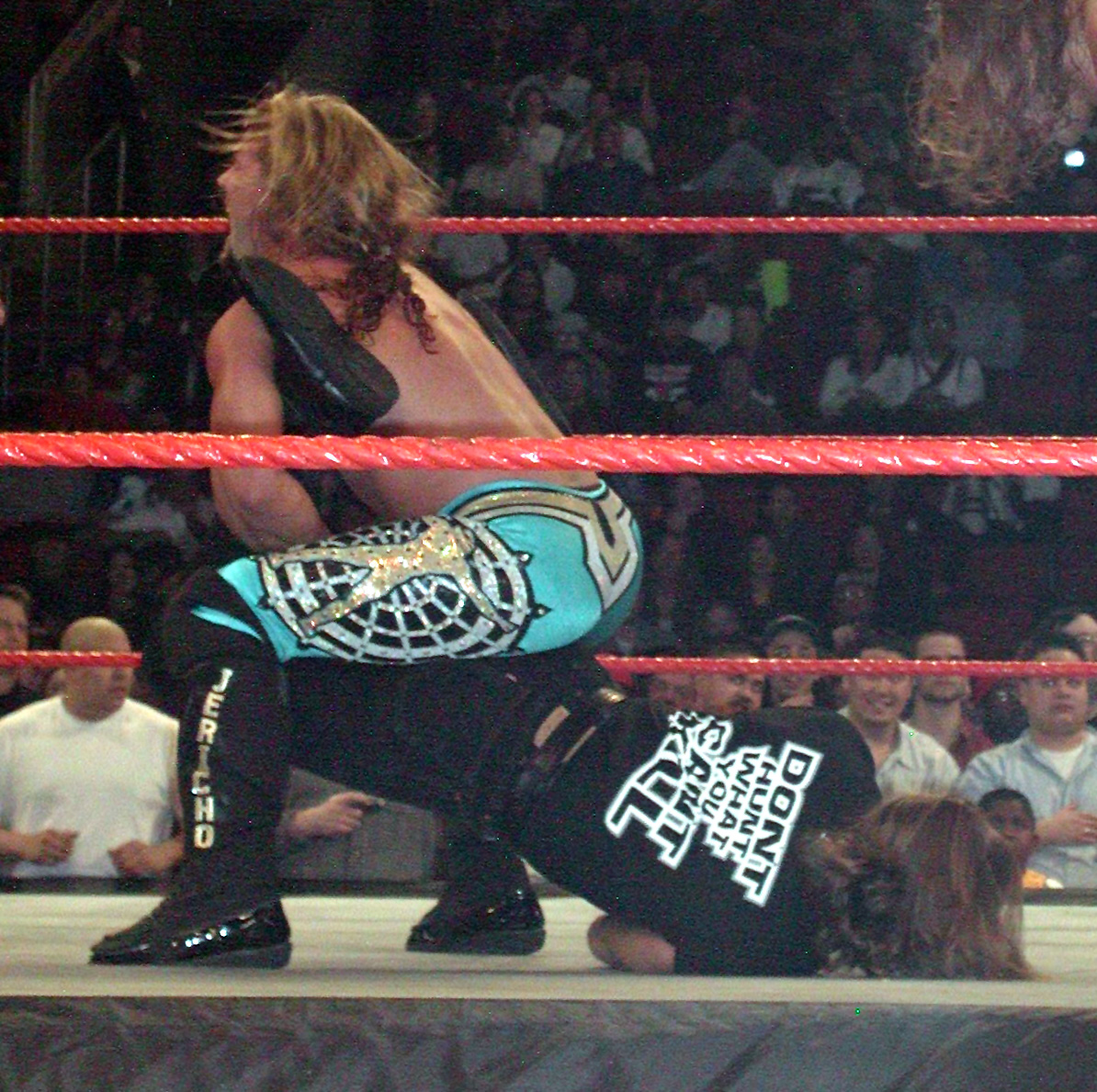


Description
To apply the move, the wrestler positions themselves across the opponent's back, gathers both legs, and pulls them toward their own torso while leaning backwards. The resulting pressure is directed at the lumbar region and hips. In staged wrestling matches this is used as a selling hold to suggest a legitimate back submission; in actual combat sports it is less common because of safety and rules concerns.
Common variations
- Half (single-leg) Boston crab: the attacker controls and pulls only one of the opponent's legs, putting asymmetric pressure on the lower back and hip.
- Cross-legged Boston crab: both of the opponent's legs are crossed before being pulled, which can increase torque on the lower back.
- Elevated or standing Boston crab: instead of sitting, the wrestler stands or rises while holding the legs, amplifying the stretch.
- Bridging/arched setups: the attacker may adopt a bridge or arching posture to change the leverage and visual impact of the hold.
Use in wrestling and basic counters
As a professional wrestling hold, the Boston crab is primarily a storytelling device that signals control and potential defeat. Match rules typically allow the opponent to force a rope break by reaching the ring ropes with a free hand or foot. Practical escape techniques include rolling forward to relieve pressure, grabbing one leg to break the grip, or powering up to reverse the position.
Risks and safety
Applied with excessive force or without cooperation, the Boston crab can stress the lumbar vertebrae, sacroiliac joints, and hamstrings. Performers are trained to execute and receive the hold safely to reduce injury risk; referees and participants rely on communication and timing to keep the move theatrical rather than injurious.
Tags
Related articles
Author
AlegsaOnline.com Boston Crab: Professional Wrestling Back Submission Hold and Variations Leandro Alegsa
URL: https://en.alegsaonline.com/art/13215