
Louis VI of France (Louis the Fat)
Capetian king (1108–1137), called Louis the Fat; consolidated royal power in Île-de-France, fought rebellious barons and clashes with England, supported monastic reform and urban growth, and strengthened Capetian foundations.
Louis VI (1 December 1081 – 1 August 1137), commonly called the Fat (le Gros), was king of the Frankish realm recognized as King of France from 1108 until his death. His long reign followed a period of fragmentation and is often seen as a phase in which the Capetian crown began to reassert authority over powerful regional lords and to secure the royal demesne around Paris.
Image gallery
8 Images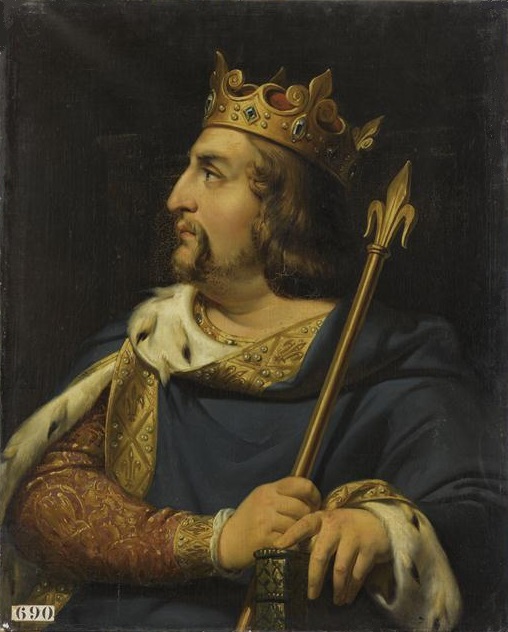






Rule and administration
Louis strengthened direct royal control in the Île-de-France by reinforcing royal castles, curbing private warfare that disrupted trade, and appointing officials such as provosts and seneschals to administer justice and revenues. He cultivated alliances with bishops and monastic houses to legitimize royal initiatives and to extend his influence into local jurisdictions where baronial power had been dominant.
Military activity and conflicts
Much of Louis's reign was occupied by military action against rebellious barons and by intervention in northern politics, notably in contests connected with Normandy and the Anglo-Norman realm. He actively supported rivals of Henry I of England on several occasions; his forces were checked in pitched action at Brémule (1119). Louis was noted for personally leading expeditions to suppress brigandage and to maintain order on key roads and market routes.
Patronage, economy and legacy
Louis promoted monastic reform and the growth of towns by protecting markets, pilgrims and trade routes and by encouraging religious foundations that served as centres of learning and economic activity. Though he did not build a centralized modern state, his repeated assertion of royal rights and his successes against recalcitrant nobles strengthened the institutional foundations on which later Capetian rulers could build.
Notable facts
- Nickname: "the Fat," reflecting contemporary chroniclers' description of his corpulence and physical presence.
- Succession: Succeeded by his son, Louis VII, ensuring continuity of the Capetian line.
- Administration: Increased the role of royal officers and reinforced castles as instruments of royal authority.
- Church relations: Relied on episcopal and monastic support to legitimize royal actions and to reform local governance.
- Military: Active in policing the roads and curbing noble violence, while engaging in wider conflicts in northern France and across the Channel.
Related articles
Author
AlegsaOnline.com Louis VI of France (Louis the Fat) Leandro Alegsa
URL: https://en.alegsaonline.com/art/125407