
Louis XV of France (1710–1774): reign, policies, and legacy
King of France from 1715 to 1774; his long rule saw war, court culture, limited reform and growing fiscal and political strains that helped create conditions for the French Revolution.
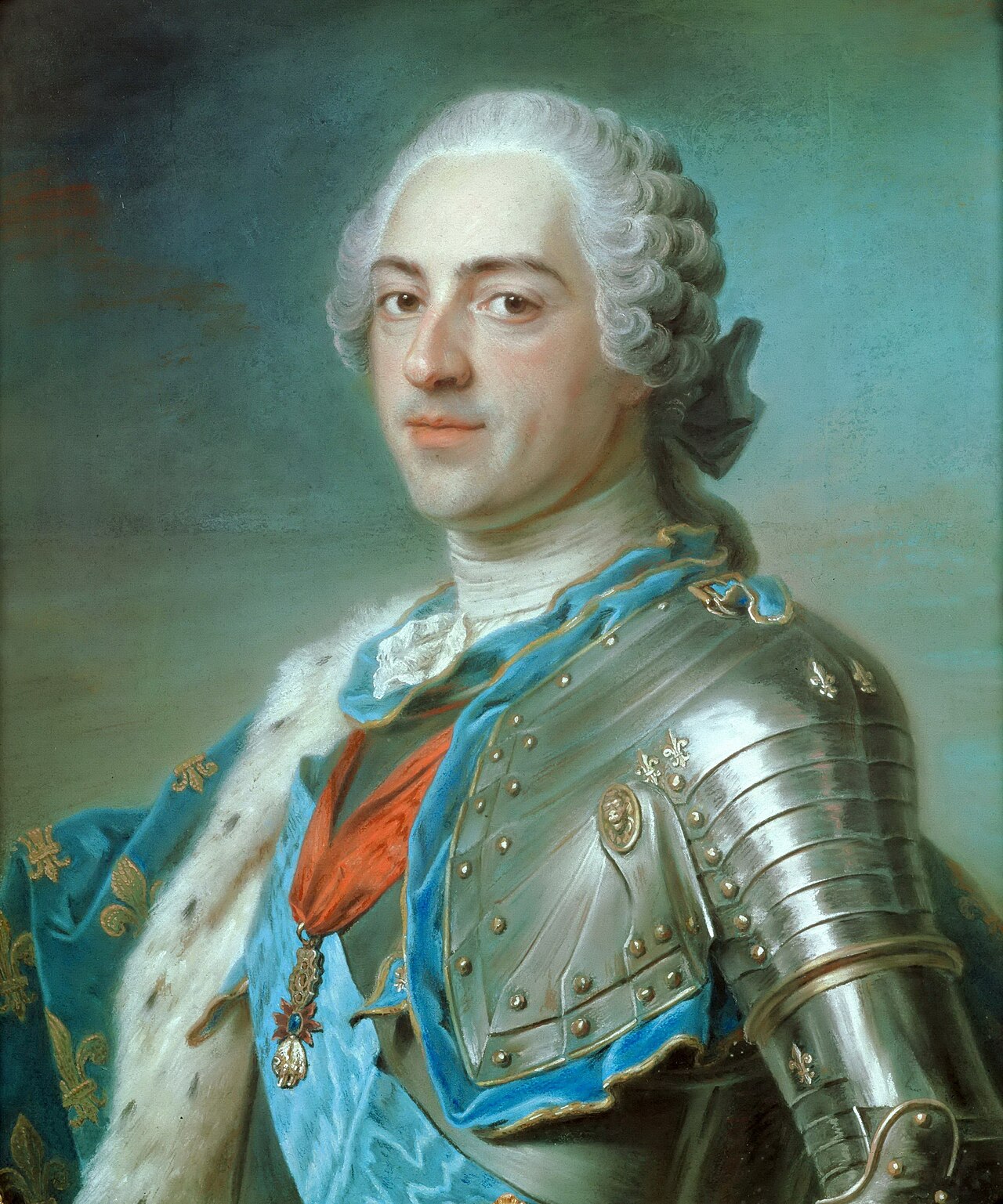
Louis XV (15 February 1710 – 10 May 1774) was King of France from 1715 until his death. He succeeded his great-grandfather, Louis XIV, at the age of five and reigned under a regency before taking personal control of government. Commonly nicknamed le Bien-Aimé (the Beloved) early in his reign, his long rule later became associated with court intrigue, expensive wars and missed opportunities for durable reform.
Image gallery
10 Images





Early life and sources of authority
After the death of Louis XIV in 1715, the kingdom was governed by a regent, Philippe II, Duke of Orléans, until the young king was declared of age in 1723. During the first decades of Louis XV’s rule, ministers and advisers — most notably Cardinal Fleury — exercised significant influence. He married Marie Leszczyńska in 1725, a union that produced a large royal family but little political alliance-building.
Major events and policies
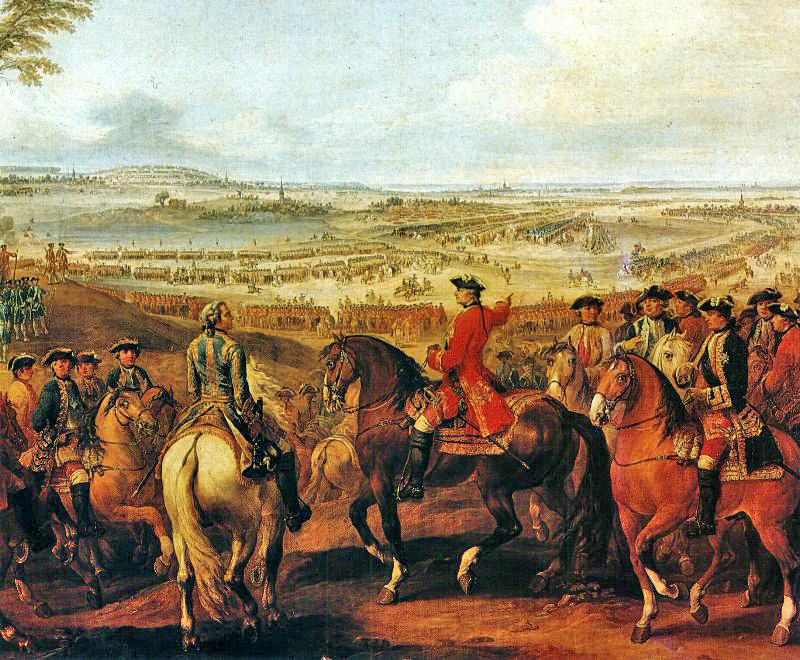
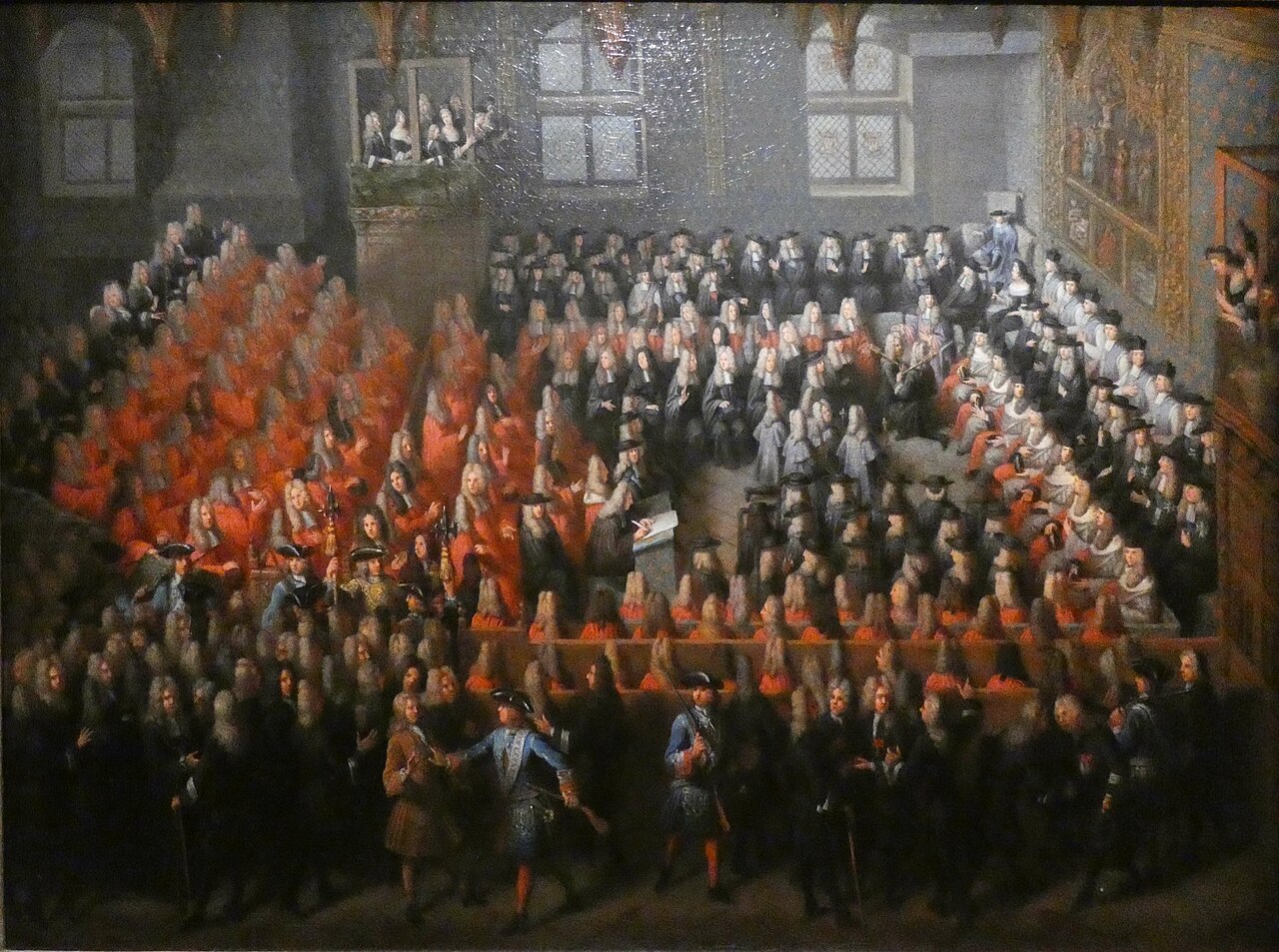
The reign encompassed a mix of cultural patronage, administrative continuity and costly international conflicts. France fought in the War of the Austrian Succession (1740–1748) and the Seven Years’ War (1756–1763), the latter ending in substantial territorial losses overseas, including key North American possessions. Domestically, fiscal strain, exemptions for privileged estates and resistance from judicial bodies (parlements) frustrated meaningful reform.
Court life, patronage and criticism
Louis XV’s court was a centre of artistic and intellectual activity; he was a patron of the arts and attracted leading figures of the emerging Enlightenment. At the same time, his reliance on favorites such as Madame de Pompadour influenced appointments and policy, and critics portrayed the crown as decadent and out of touch. Enlightenment writers and public opinion increasingly questioned royal authority and institutions.
Later years and legacy
Late in his reign attempts were made to reform judicial and fiscal structures, including controversial measures backed by ministers like Maupeou; many of these moves were short-lived or reversed after 1774. Historians view Louis XV’s reign as a period that weakened monarchical prestige and left unresolved financial and political problems that contributed to the revolutionary crisis later in the century.
- Born: 15 February 1710.
- Reign: 1715–1774.
- Major conflicts: War of the Austrian Succession; Seven Years’ War.
- Notable themes: patronage, fiscal strain, judicial conflict, Enlightenment critique.
For concise introductions and primary reference material see general summaries, curated biographies at biographical resources, discussions of the political crises of the late ancien régime at period analyses, and broader accounts of how these developments connect to the French Revolution at revolution studies.
Questions and answers
Q: Who was Louis XV?
A: Louis XV was a French king who ruled from 1715 until his death.
Q: Whom did Louis XV succeed?
A: Louis XV succeeded his great-grandfather Louis XIV at the age of five.
Q: What was Louis XV's nickname?
A: Louis XV was nicknamed "The Beloved" (French: le Bien-Aimé).
Q: What is the significance of Louis XV in the French Revolution?
A: Louis XV's failure to provide strong leadership and much-needed reforms contributed to the crisis that brought on the French Revolution.
Q: During which years did Louis XV reign?
A: Louis XV reigned from 1715 until his death in 1774.
Q: How old was Louis XV when he succeeded Louis XIV?
A: Louis XV was five years old when he succeeded his great-grandfather Louis XIV.
Q: Why was Louis XV's leadership inadequate?
A: Louis XV's leadership was inadequate due to his failure to implement necessary reforms and provide strong leadership, which ultimately contributed to the crisis that led to the French Revolution.
Related articles
Author
AlegsaOnline.com Louis XV of France (1710–1774): reign, policies, and legacy Leandro Alegsa
URL: https://en.alegsaonline.com/art/125413