
Louis XIV (the Sun King): Absolutism, Versailles, and a Long Reign
Louis XIV (1638–1715), known as the Sun King, ruled France and Navarre for 72 years. His reign centralized royal power, created the court at Versailles, patronized the arts, and left a mixed legacy of grandeur and fiscal strain.
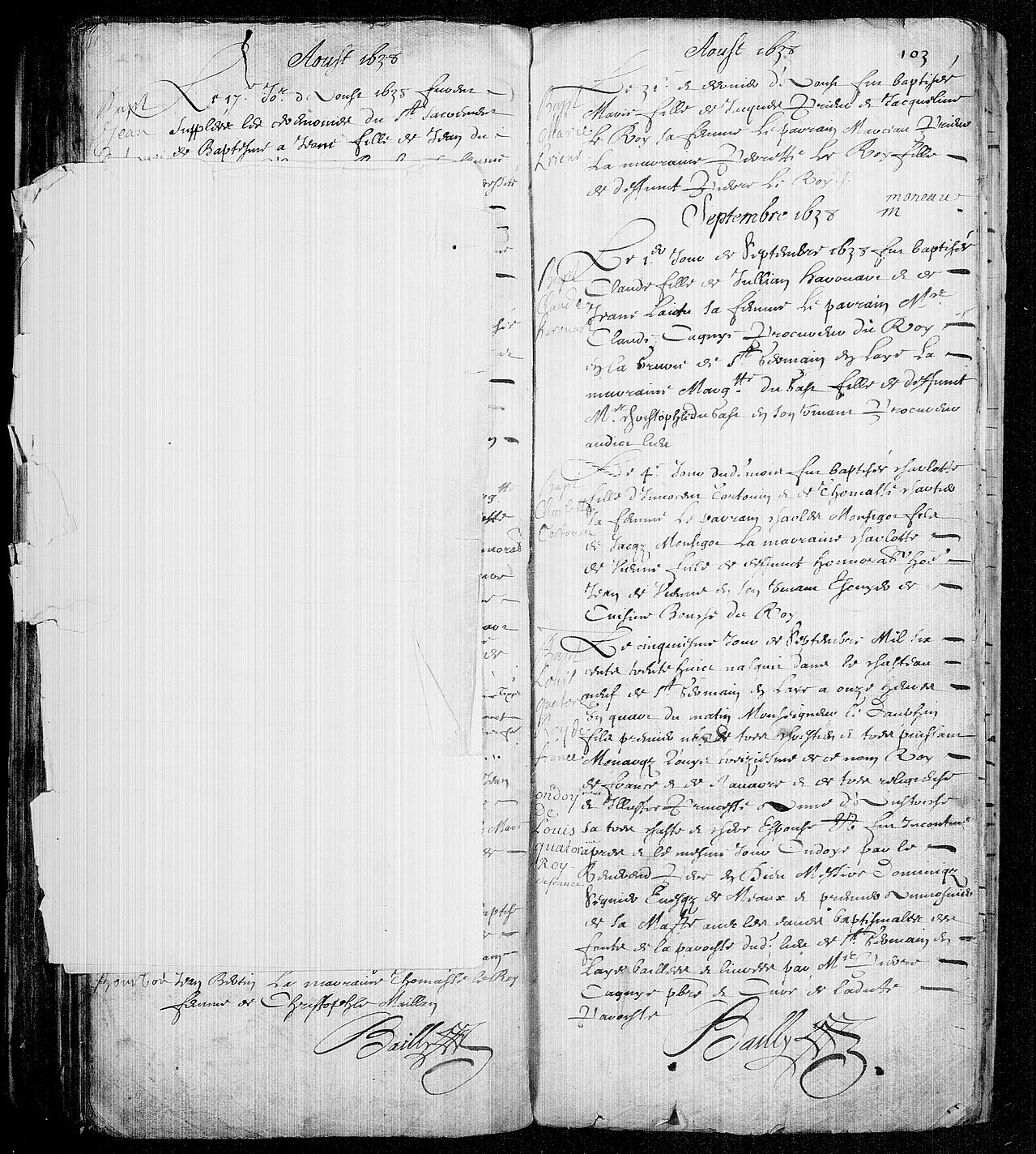
Louis XIV (5 September 1638 – 1 September 1715), commonly called the Sun King, was the monarch of France and of Navarre from 1643 until his death. His tenure—about seventy-two years—remains one of the longest verified reigns in European history. Louis is widely remembered as the archetype of absolute monarchy: during his rule the crown extended its control over administration, the military, and cultural life.
Image gallery
10 Images





Early life and accession
Born to Louis XIII and Queen Anne of Austria, Louis became king as a small child. During his minority the realm was governed by his mother as regent and by Cardinal Mazarin, who guided policy through a period of civil unrest known as the Fronde. The experience of those uprisings shaped the young king's determination to secure order and prevent noble defiance.
Government, court, and Versailles
Once he took full control, Louis concentrated power in the monarchy and reformed central government through a network of royal officials. He cultivated a highly ritualized court life at the palace of Versailles, which became both a residence and an instrument of control: by attracting nobles to live near the king he reduced their independent power and made aristocratic prestige dependent on royal favor.
Policies, economy, and warfare
Administratively, ministers such as Jean-Baptiste Colbert pursued stronger state finances and commercial policies often called mercantilist. The king’s foreign policy focused on expanding French influence through a series of wars and diplomatic maneuvers. Domestically, Louis’s decision to revoke the Edict of Nantes removed legal protections from Protestant communities, triggering emigration and social consequences. Many of his military campaigns and lavish court expenditures strained the treasury in later decades.
Cultural patronage and image
Louis XIV cultivated an image of majesty and order and heavily patronized the arts: theatre, music, architecture, and painting flourished under royal sponsorship. The aesthetic of his reign helped define classical French culture and left enduring monuments in literature, opera, and urban design. His personal life—marriage to Maria Theresa of Spain and relationships with prominent courtiers and mistresses—also shaped court politics and public perception.
Legacy and notable facts
Louis XIV’s reign is studied for its consolidation of monarchical authority, its promotion of the arts, and its role in shaping early modern Europe. Notable facts include:
- He is often cited as the exemplar of absolutist monarchy and royal centralization.
- His court at Versailles influenced European palace culture and etiquette.
- Policies such as religious uniformity and costly warfare had long-term fiscal and social impacts that later rulers confronted.
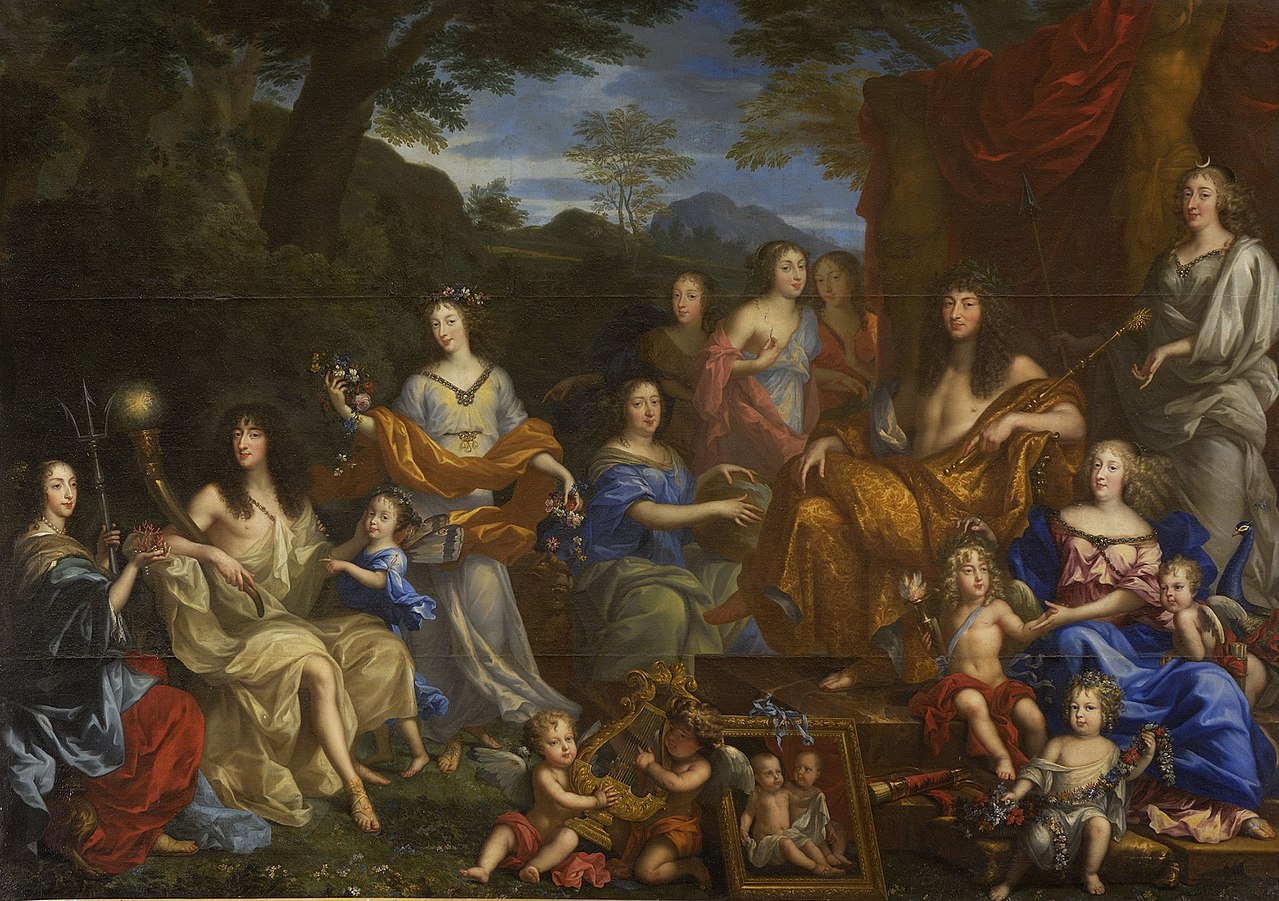
- He maintained close family ties at court; his younger brother the Duke of Orléans was a prominent figure in dynastic affairs.
Scholars continue to debate whether Louis’s achievements in state-building and culture outweigh the costs of his military ambitions and centralizing policies. Regardless, his reign left a powerful imprint on the political and cultural map of Europe.
Questions and answers
Q: Who was Louis XIV?
A: Louis XIV was the King of France and Navarre from 1643 until his death in 1715.
Q: What was Louis XIV's nickname?
A: Louis XIV was also known as the Sun King.
Q: How long was Louis XIV's rule?
A: Louis XIV's rule lasted for 72 years, which is the longest recorded rule of any European monarch.
Q: What is Louis XIV often seen as an example of?
A: Louis XIV is often seen as an example of absolutism.
Q: Did Louis XIV have any siblings?
A: Yes, Louis XIV had a younger brother named Philippe.
Q: What happened to Philippe?
A: Philippe was later created the Duke of Orléans.
Q: When did Louis XIV die?
A: Louis XIV died on 1 September 1715.
Related articles
Author
AlegsaOnline.com Louis XIV (the Sun King): Absolutism, Versailles, and a Long Reign Leandro Alegsa
URL: https://en.alegsaonline.com/art/125411