
National Hockey League arenas: past, present and planned venues
Overview and context for lists of National Hockey League arenas, covering present homes, historic venues, and planned or renovated facilities, with notes on characteristics and organization.
Overview
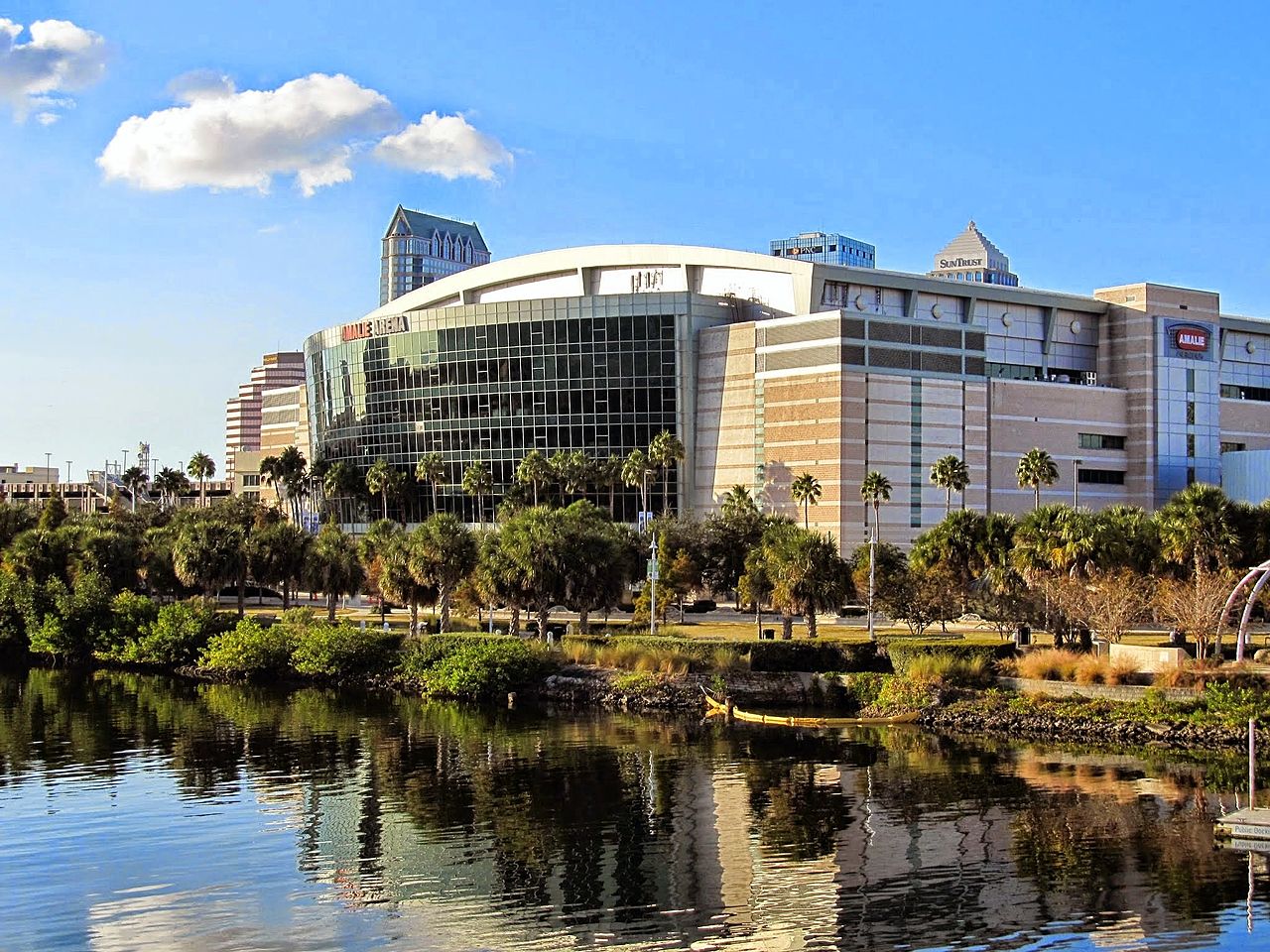
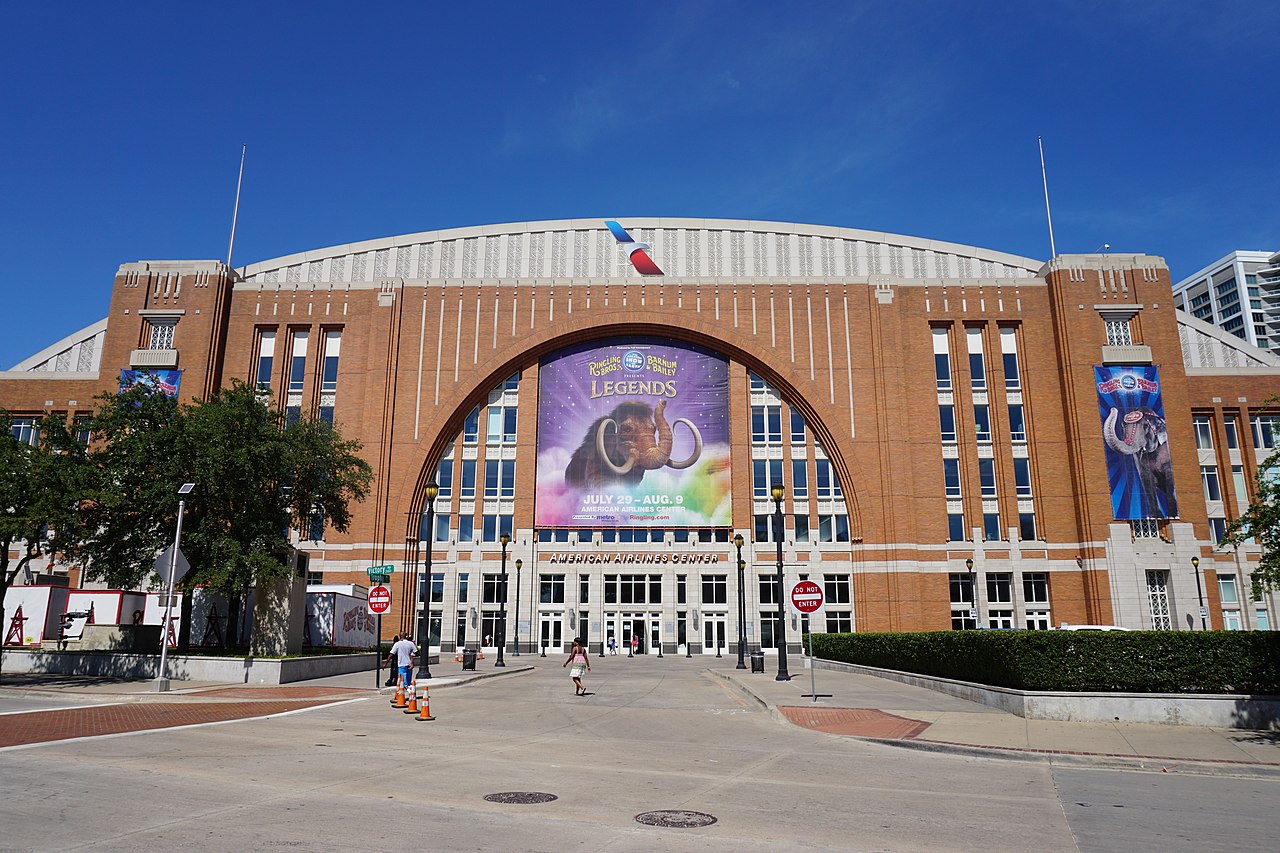
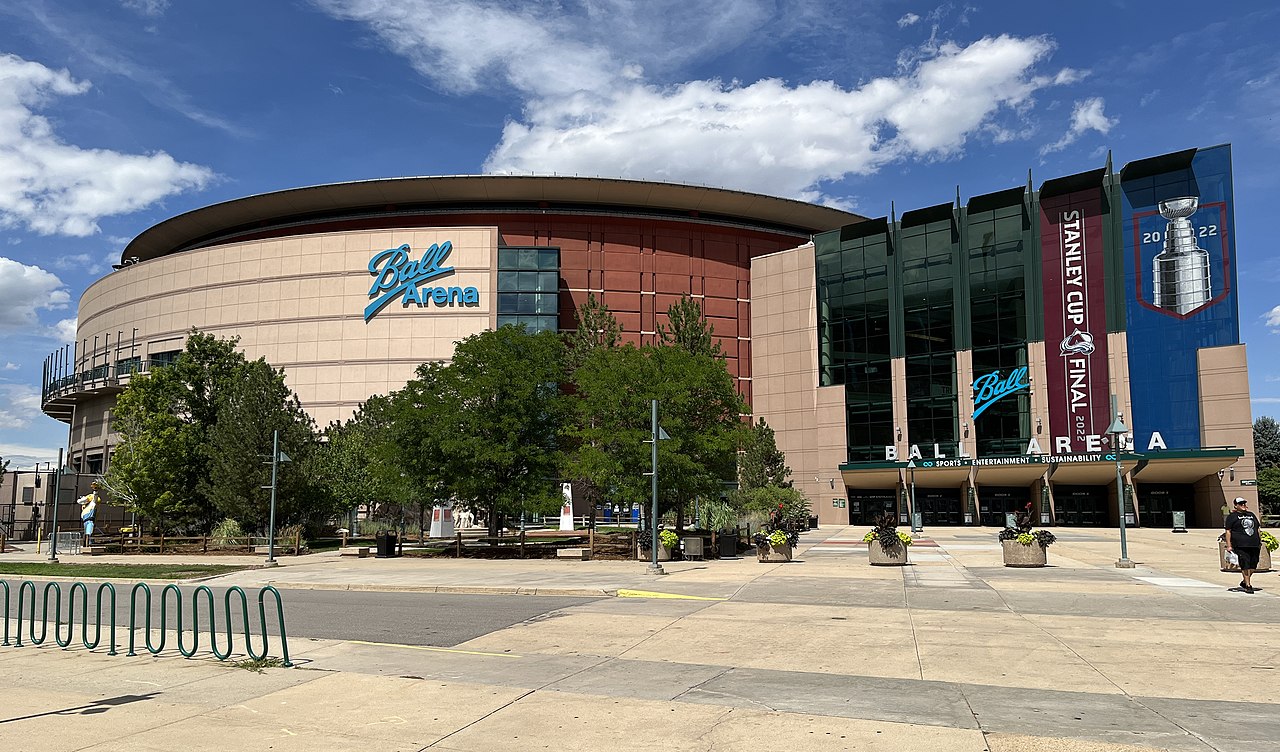
A "list of National Hockey League arenas" catalogs the indoor venues that have hosted NHL games: current home arenas for franchises, stadiums that formerly staged league play, and facilities announced or under construction that will host future seasons. Such lists typically record location, team affiliation, seating capacity, opening year and notable events held at each site.
Image gallery
10 Images



Common characteristics
NHL arenas share several technical and commercial features. Standard rink dimensions for NHL play are maintained, most facilities are designed as climate-controlled indoor arenas, and seating capacity varies widely by market. Modern arenas emphasize sightlines, premium seating (suites and club areas), broadcast infrastructure and adaptable floor plans so the venue can host concerts, other sports, conventions and community events. Naming rights and sponsorships are common, so arena names may change over time.
History and development
The architecture and scale of hockey arenas evolved from relatively small, hockey-specific buildings in the early 20th century to multi-purpose complexes built from the 1970s onward. Iconic older venues such as the Montreal Forum and Maple Leaf Gardens are frequently cited in historical lists for their cultural importance. Beginning in the 1990s many teams moved into newly built or heavily renovated arenas that reflect advances in spectator amenities and revenue generation.
How lists are organized
Comprehensive lists can be arranged several ways: alphabetically by arena name, by the team that calls the arena home, by city or province/state, or by seating capacity. Specialized lists may separate active arenas from former venues, temporary homes used during renovations, and planned arenas that are not yet open. For a detailed catalogue and cross-references see a comprehensive list.
Notable examples
- Long-serving and famous historic venues: Montreal Forum, Maple Leaf Gardens.
- Large multi-purpose arenas in major markets: United Center (Chicago), Madison Square Garden (New York), and prominent Canadian homes such as the Bell Centre and Scotiabank Arena.
- Future and replacement projects: many franchises periodically announce new builds or major renovations to modernize facilities and increase revenue streams.
Uses and significance
Beyond hosting NHL regular-season and playoff games, arenas are community hubs — they stage preseason and exhibition matches, NHL outdoor classics are sometimes held in separate stadiums, and the buildings host concerts, family shows and civic events. Lists of NHL arenas therefore serve historians, fans tracking team venues, event planners and researchers studying the economic and cultural roles of sports facilities.
Related articles
Author
AlegsaOnline.com National Hockey League arenas: past, present and planned venues Leandro Alegsa
URL: https://en.alegsaonline.com/art/124859
Sources
- tampabaytimesforum.com : "Arena Information"
- canada.com : "Seating Capacities of the 30 NHL Arenas"
- bankatlanticcenter.com : "Facts and Figures"
- barclayscenter.com : About Us
- nhl.com : "Islanders to play 12 games at Nassau Coliseum in 2018-19"
- bellcentre.ca : "Bell Centre – Quick Facts"
- bellmtsplace.ca : "Bell MTS Place – Guest Services information"
- nhl.com : "NHL Game Summary"
- www2.scotiabankplace.com : "Inside Scotiabank Place" · webcitation.org
- canadiantirecentre.com : "2016–17 Ottawa Senators media guide"