
List of football stadiums in Scotland
Overview and guide to Scottish football stadia, their characteristics, history, typical uses, and examples arranged by capacity and importance.
Overview
This article describes Scottish football stadia and explains how they are commonly listed by capacity. Rankings usually order grounds from largest to smallest based on approved spectator capacity, taking into account all seating and any permitted standing areas. The list covers national, professional club and notable non-league venues used for association football in Scotland.
Image gallery
10 Images

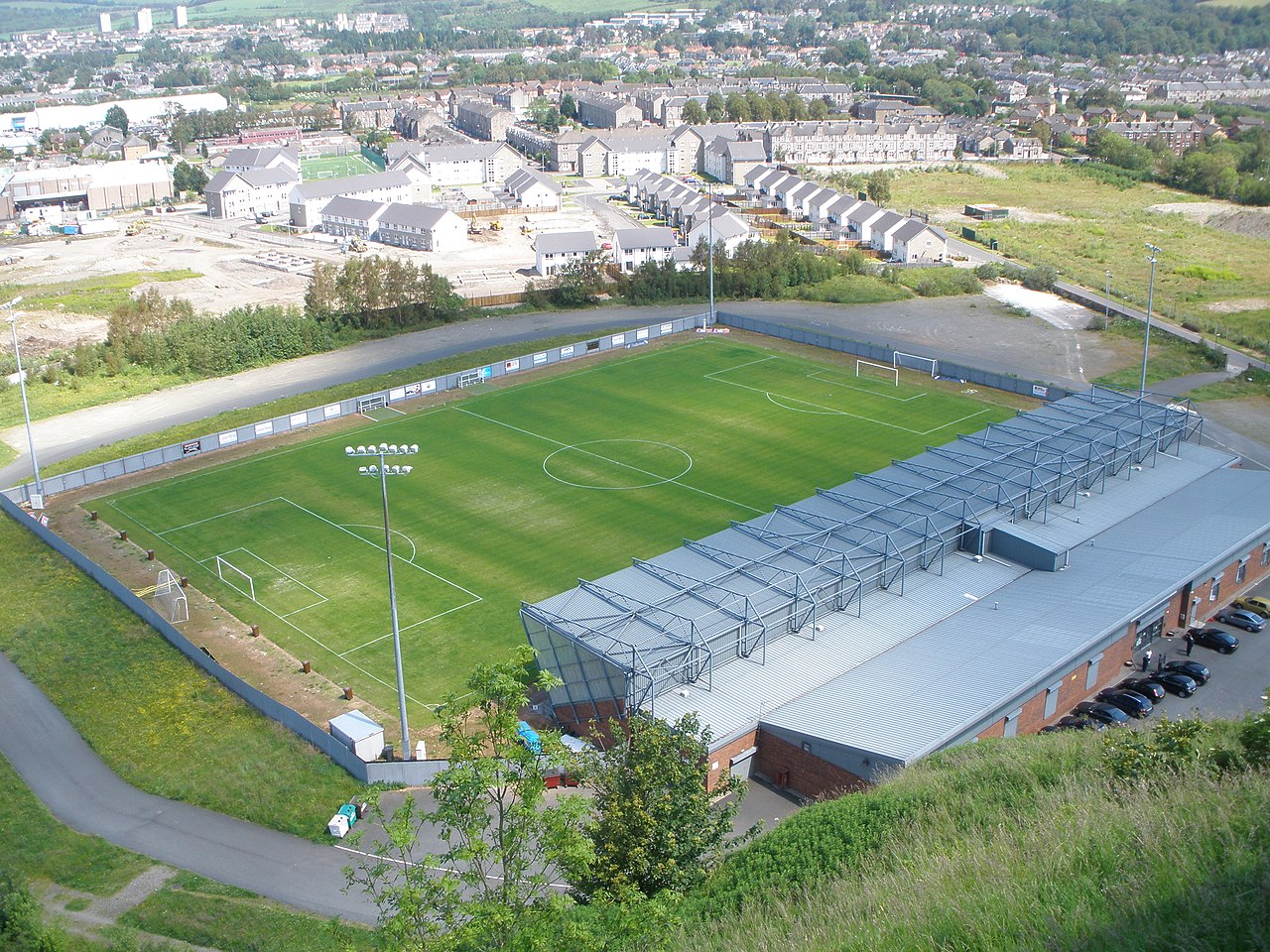


Characteristics and capacity
Stadia vary from large national venues to small community grounds. Capacity figures reflect safe, certified limits and can change after redevelopment, safety reviews or the installation of seating and barriers. Some grounds retain traditional terraces while others are fully seated; recent trends include improved spectator facilities, covered stands and provisions for segregation, disabled access and media requirements.
History and development
Many Scottish grounds originated in the late 19th and early 20th centuries as clubs formed in industrial towns. Over time, major stadia were rebuilt or modernised to meet safety standards and to host international fixtures and European matches. Redevelopment accelerated late in the 20th century, adapting older sites or moving clubs to new, purpose-built venues.
Uses and importance
Top stadia host national team matches, cup finals and high-profile league fixtures, while smaller grounds serve domestic league matches, reserve and youth games, and community events. Stadia are also occasionally used for concerts and non-sporting functions when permissions and facilities allow.
Notable stadia (examples)
- Hampden Park — Scotland's national stadium and frequent host of major finals.
- Celtic Park — the principal home of Celtic Football Club and one of the largest club venues.
- Ibrox Stadium — home ground of Rangers Football Club with a long history of redevelopment.
- Pittodrie, Tynecastle, Easter Road, Rugby Park and Fir Park — examples of long-established club grounds across Scotland.
Classification and further information
Lists of stadia are often grouped into major, mid-tier and smaller categories according to capacity and regular usage. They may also note surface type (natural or artificial), ownership (club, council or private) and UEFA category where relevant. For a full ranked table and detailed ground profiles see stadium rankings and additional resources at stadium details.
Related articles
Author
AlegsaOnline.com List of football stadiums in Scotland Leandro Alegsa
URL: https://en.alegsaonline.com/art/125127