
List of settlements in Angola
Overview and guide to Angola's settlements: cities, towns and notable places, their administrative roles, geographic distribution, history and examples of major urban centres.
Angola's settlements range from the sprawling capital and port of Luanda to small rural communes and frontier towns. The term "settlement" in Angola covers cities (cidades), towns (vilas), municipalities (municípios) and communes (comunas). These places reflect the country's varied geography, economic activities and colonial and post‑independence history.
Image gallery
7 Images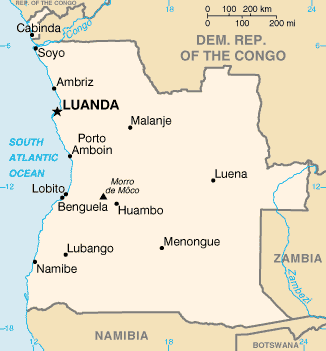


Administrative structure and terms
Angola is divided into provinces, which are subdivided into municipalities and then into communes. Provincial capitals are often the largest and most administratively significant settlements. Portuguese remains the official language, so many place names and administrative labels use Portuguese forms and spellings.
Settlement patterns are shaped by coastlines, rivers, mining and transport corridors. Major population concentrations lie along the central and northern Atlantic coast and in a few interior highland centres. The oil industry and port facilities have propelled growth in specific towns, while others serve as regional market or administrative centres.
Place names and the urban landscape reflect layers of history: indigenous settlement, centuries of Portuguese colonial administration and infrastructure, and the long civil war that affected population movements and urban development. Since the end of armed conflict, many towns have seen rebuilding, new investment and migration toward urban areas.
Lists of settlements are useful for planning, research, travel and governance. They help identify provincial capitals, transport hubs and smaller local centres. For a comprehensive directory and alphabetical lists of cities and towns, see the comprehensive list.
Notable settlements (examples)
- Luanda — national capital and largest city, major port and economic hub.
- Benguela — historic coastal city and regional centre.
- Lobito — important Atlantic port with rail connections inland.
- Huambo — principal city in the central highlands.
- Lubango — southern highland city near agricultural and pastoral areas.
- Namibe (Moçâmedes) — southern port adjacent to desert landscapes.
- Cabinda — capital of the northern exclave, with distinct geography and access issues.
- Kuito and Malanje — examples of interior towns serving provincial administration and local markets.
The above selection illustrates the diversity of Angolan settlements by function and location: coastal ports, inland administrative centres, resource towns and regional market hubs. Comprehensive lists typically include many hundreds of named places, from provincial capitals to small communes and villages, each with distinct local roles.
Related articles
Author
AlegsaOnline.com List of settlements in Angola Leandro Alegsa
URL: https://en.alegsaonline.com/art/125130