
List of lakes of Australia
Survey of Australia's lakes: origins, types (ephemeral, saline, freshwater, artificial), notable examples by state, ecological and cultural roles, and reasons for the country's few natural freshwater lakes.
Overview
Australia has a surprising variety of inland and coastal lakes, but comparatively few large natural freshwater lakes. That scarcity is linked to the continent's long geological stability and dry climate. Factors such as minimal recent glacial sculpting and limited modern tectonic activity mean fewer basins were carved for permanent freshwater to collect, so many Australian lakes are shallow, seasonal or saline.
Image gallery
10 Images




Types and formation
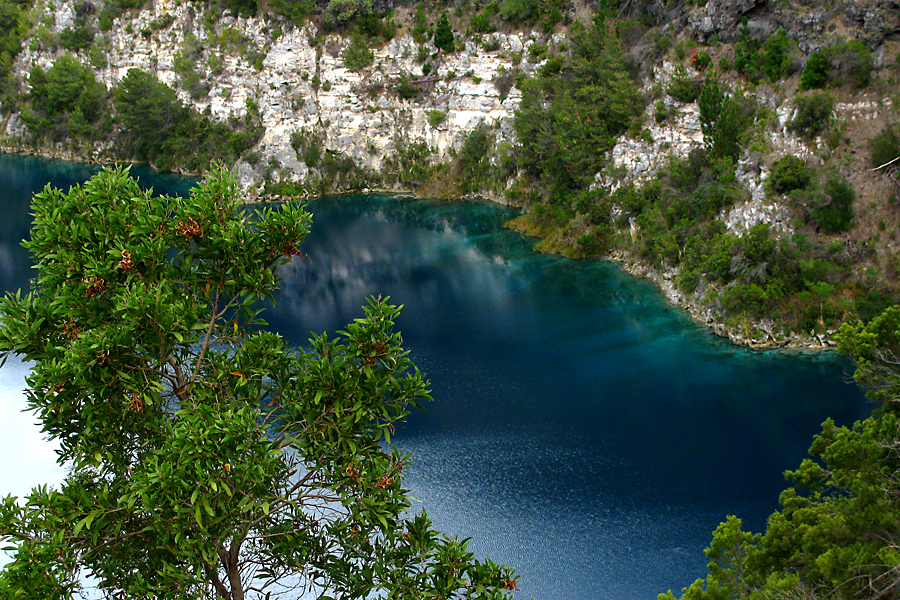
Lakes in Australia form by several processes: playas and salt pans in arid interiors, coastal lagoons and estuarine lakes near the coast, dune-impounded lakes, volcanic or fault-bounded basins (rare), and artificially created reservoirs. Ephemeral lakes fill after heavy rains and may remain dry for years; saline basins concentrate salts and become salt lakes; perennial lakes are more common in cooler, wetter regions or where rivers feed permanent basins.
Notable natural lakes
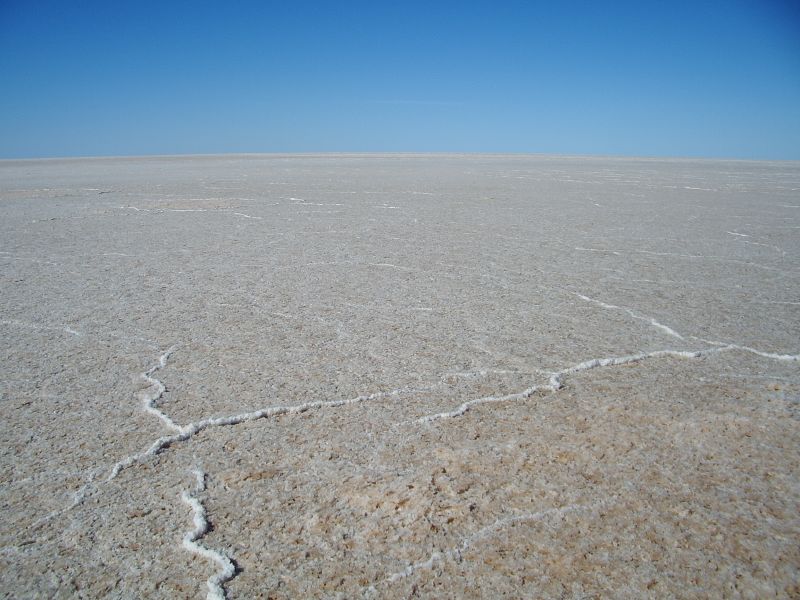
- Kati Thanda–Lake Eyre (South Australia) — the continent's largest internal drainage basin; it fills episodically and is often a vast salt crust.
- Lake Torrens, Lake Gairdner and Lake Frome (South Australia) — large salt lakes on the Nullarbor margin.
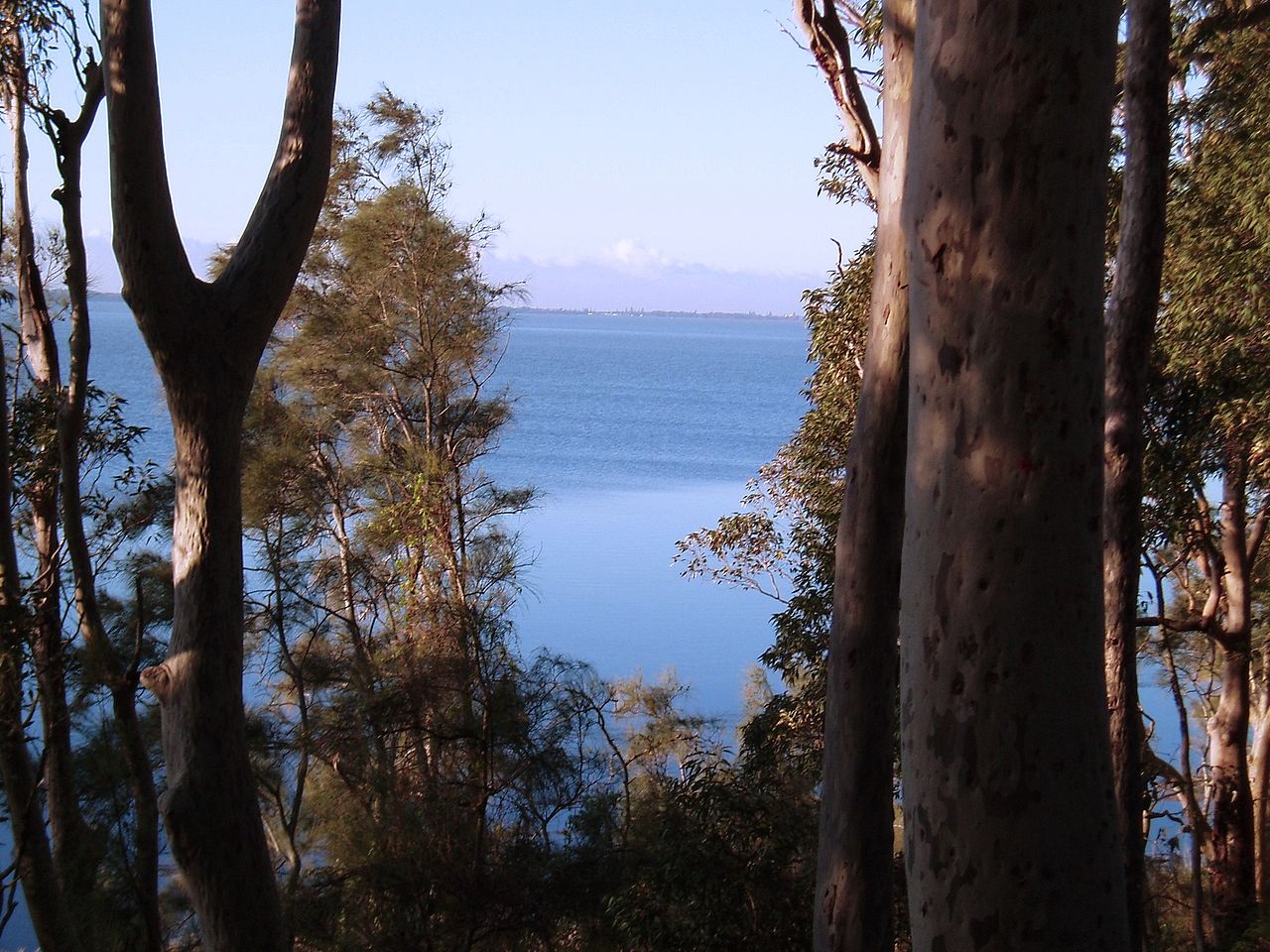
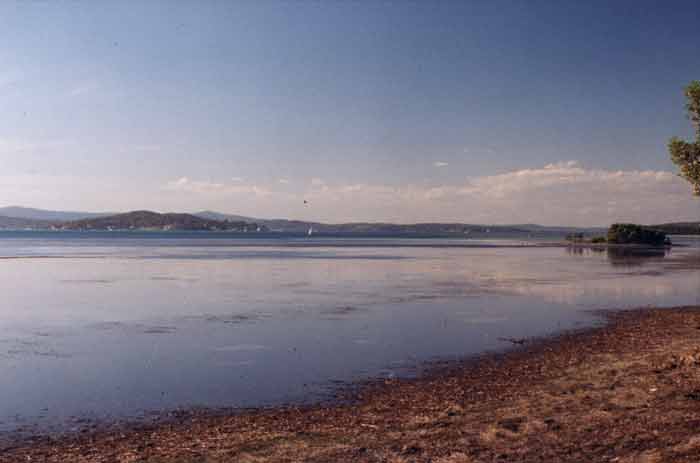
- Lake Macquarie (New South Wales) — a large coastal lagoon used for boating and fisheries.
- Lakes Alexandrina and Albert (South Australia) — freshwater to brackish lakes at the Murray River mouth important for water management and ecology.
Major artificial and managed lakes
- Impounded reservoirs and river systems such as Lake Argyle and the Menindee Lakes provide water storage, irrigation and hydroelectric generation.
- Urban ornamental lakes such as Lake Burley Griffin in Canberra are cultural and recreational focal points.
Lakes support important habitats for waterbirds, fish and plants, and many hold cultural significance for Indigenous Australians. Management challenges include salinity, altered river flows, invasive species and water allocation conflicts. Conservation efforts balance ecological needs with agriculture, industry and recreation.
For comparative context, discussions about natural freshwater lakes in Australia typically contrast inland saline systems with smaller freshwater wetlands and the widespread human-made reservoirs that now perform many functions once provided by natural lakes.
Related articles
Author
AlegsaOnline.com List of lakes of Australia Leandro Alegsa
URL: https://en.alegsaonline.com/art/124786