
List of hurricanes in Florida
Overview and context for hurricanes that produced hurricane‑force winds in Florida since 1851, including definitions, notable storms, regional patterns, and why Florida is especially vulnerable.
This article summarizes hurricanes that have produced sustained hurricane‑force winds in the U.S. state of Florida. Hurricane‑force winds are defined as sustained winds of at least 74 mph (119 km/h). Records commonly used by researchers and emergency managers extend back to 1851, the starting year of the historical Atlantic hurricane database.
Image gallery
8 Images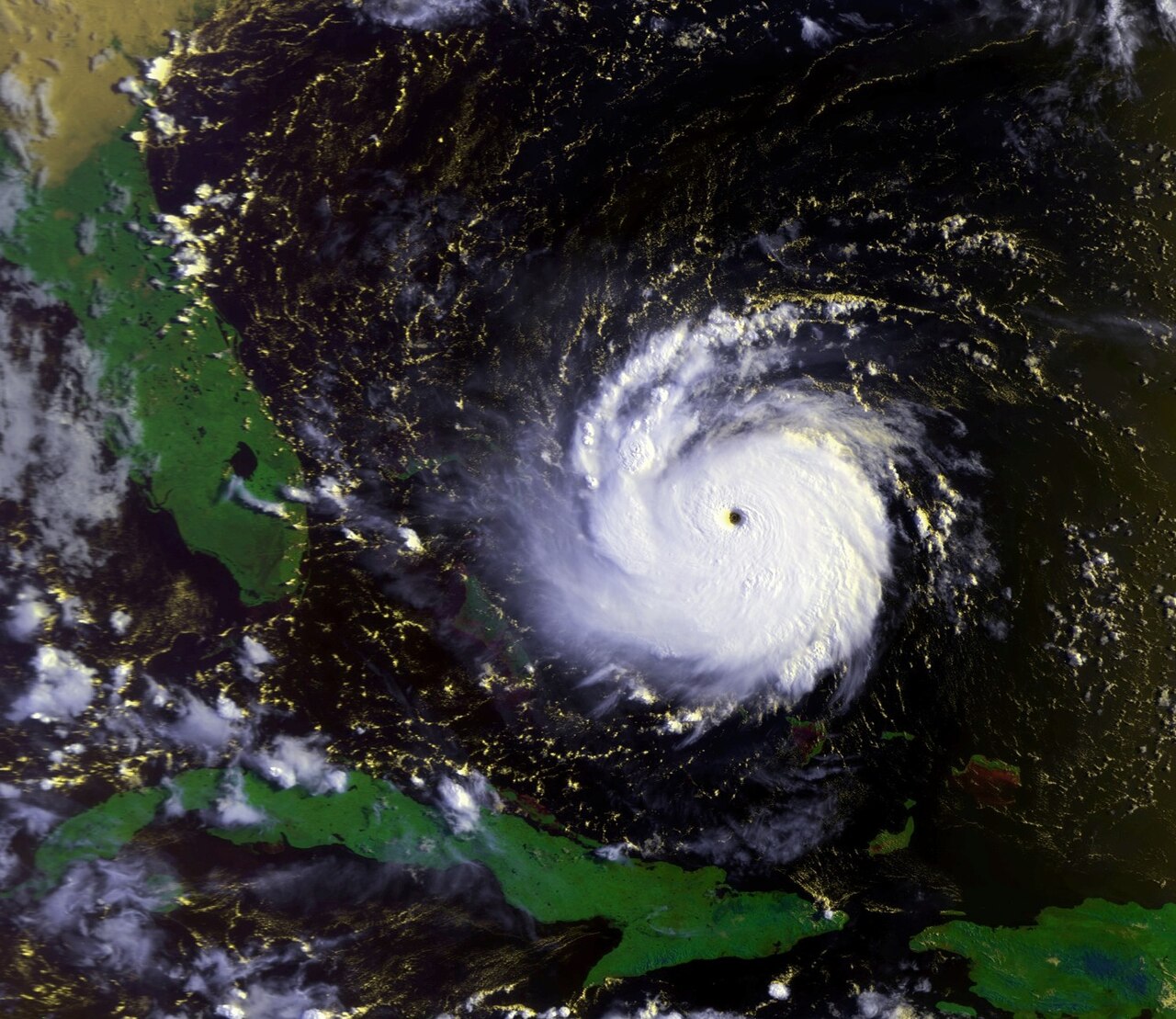




Definition and measurement
Hurricane‑force winds are measured as sustained winds that meet or exceed the 74 mph threshold. Storms are commonly classified with the Saffir–Simpson scale, which ranks hurricanes by maximum sustained wind and helps indicate potential wind and surge damage. In practice, a storm that brings hurricane‑force winds to any part of Florida — coastal or inland — is generally counted for the state’s hurricane totals.
Historical record and patterns
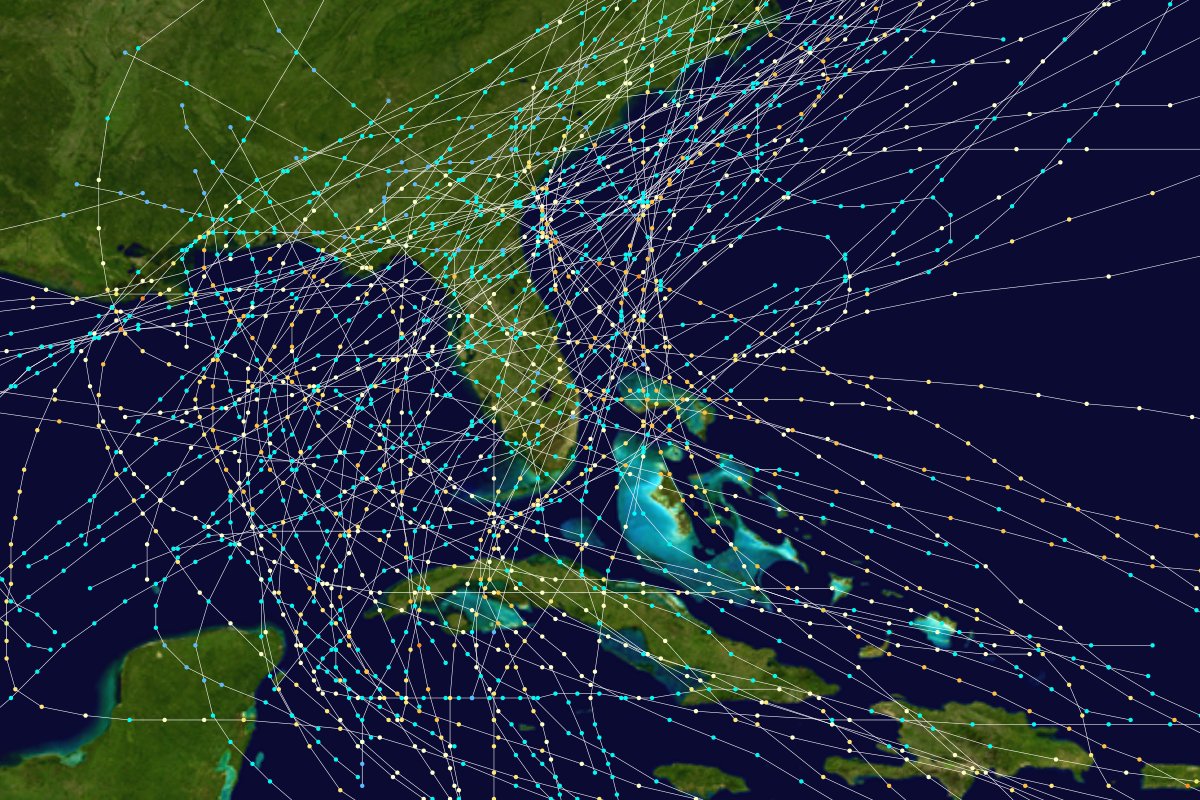
Systematic records beginning in 1851 form the basis for lists of Florida hurricanes. Those compilations show that Florida has been affected by more hurricanes than any other U.S. state, reflecting its long coastline on both the Gulf of Mexico and the Atlantic, plus the low‑lying Florida Keys. The Atlantic hurricane season runs from June 1 to November 30, with peak activity from August through October, when most impactful storms occur.
Notable storms affecting Florida
- 1935 Labor Day Hurricane — one of the strongest and deadliest to strike the Florida Keys.
- 1992 Hurricane Andrew — a major landfall in southern Florida that prompted changes in building codes and emergency planning.
- 2004 season — a string of storms (including Charley, Frances, Ivan and Jeanne) that struck parts of Florida in close succession.
- 2017 Hurricane Irma — a large hurricane that produced hurricane‑force winds across much of the state.
These examples illustrate different hazards: extreme winds, catastrophic storm surge in low islands and barrier beaches, and heavy inland rainfall leading to flooding. The severity of impact depends on storm category, forward speed, angle of approach, and local geography.
Regional differences and significance
Florida’s exposure varies by region. The Florida Keys and southern peninsula are vulnerable to direct landfalls from storms tracking westward or through the Caribbean, while the central east coast and the Gulf coast each see frequent impacts depending on a storm’s track. Because of the frequency and variety of impacts, Florida’s experience with hurricanes has shaped its emergency management practices, building standards, and coastal planning.
For authoritative storm tracks and a chronological database of Atlantic storms that have produced hurricane‑force winds in Florida, see the official hurricane database. Counts and attributions can change as historical records are reanalyzed, so reference the latest compilations for research and planning.
Questions and answers
Q: What is the list of hurricanes in Florida?
A: The list of hurricanes in Florida includes all hurricanes that have caused hurricane-force winds of over 74 mph in the state.
Q: When does the list of hurricanes in Florida begin?
A: The list of hurricanes in Florida begins in 1851.
Q: What is considered hurricane-force wind?
A: Hurricane-force wind is considered wind speeds that are over 74 mph or 118 km/h.
Q: How many hurricanes have affected Florida?
A: Florida has been affected by a total of 113 hurricanes, which is the highest number among all the U.S. states.
Q: When does Florida experience hurricane-force winds?
A: Florida experiences hurricane-force winds when a hurricane is present in the state.
Q: What makes Florida susceptible to hurricanes?
A: Florida is susceptible to hurricanes due to its location in the Atlantic hurricane basin, which makes it prone to tropical storms and hurricanes.
Q: How can Florida prepare for hurricanes?
A: Florida can prepare for hurricanes by having an emergency plan in place, stocking up on essential supplies, and listening to local authorities for evacuation orders.
Related articles
Author
AlegsaOnline.com List of hurricanes in Florida Leandro Alegsa
URL: https://en.alegsaonline.com/art/124746
Sources
- aoml.noaa.gov : "Chronological List of All Hurricanes which Affected the Continental United States: 1851-2007"
- aoml.noaa.gov : "Documentation of Atlantic Tropical Cyclones Changes in HURDAT"
- nhc.noaa.gov : "The Deadliest, Costliest, and Most Intense United States Tropical Cyclones From 1851 to 2006"