
Islands of Japan: major islands and island groups
Comprehensive overview of Japan's islands: principal islands, major island chains, habitation patterns, geographic and cultural notes, historical development, and territorial issues.
Overview
Japan is an archipelagic nation made up of thousands of islands stretching along the Pacific coast of northeastern Asia. These islands range from very large, highly populated landmasses to tiny, uninhabited rocky outcrops. Official counts of islands have varied with improved mapping technologies; recent surveys identify many thousands of individual islets and islands.
Image gallery
6 Images



Principal islands
Four islands are usually considered Japan’s main islands because of their size, population and economic role: Honshu (the largest, home to Tokyo, Osaka and Kyoto), Hokkaido in the north, Kyushu in the southwest and Shikoku to the south of Honshu. Together these four account for most of Japan’s land area and population.
Major island groups and regions
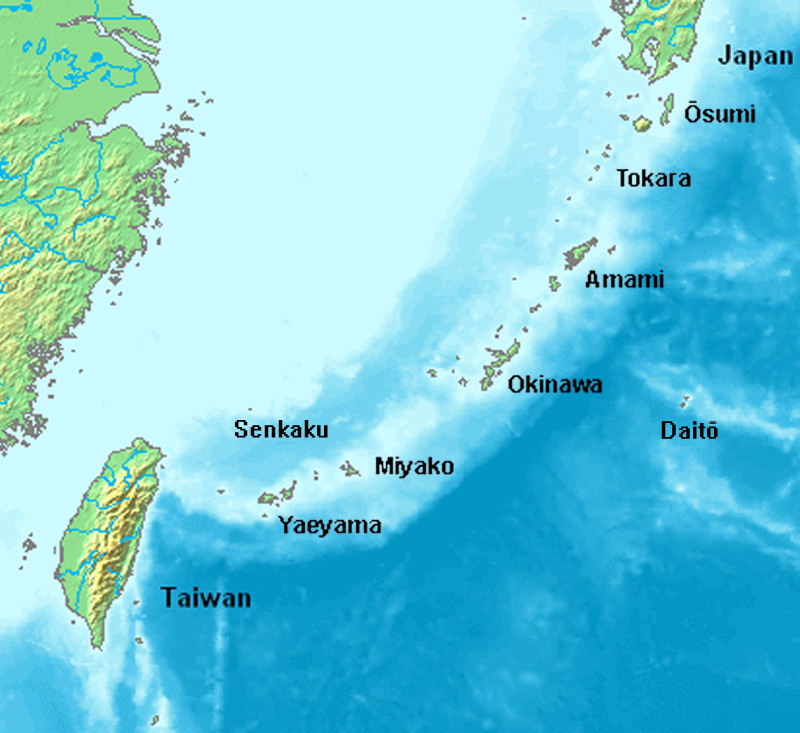
- Ryukyu Islands (Nansei Islands): a long chain running southwest from Kyushu toward Taiwan; includes Okinawa and many smaller islands with distinct Ryukyuan languages and cultures.
- Izu and Ogasawara Islands: volcanic island arcs south of Tokyo; Ogasawara (Bonin) Islands are remote with unique ecosystems and some UNESCO protections.
- Sado, Oki and other inland-sea islands: smaller groups in the Sea of Japan and Seto Inland Sea, often with long local histories.
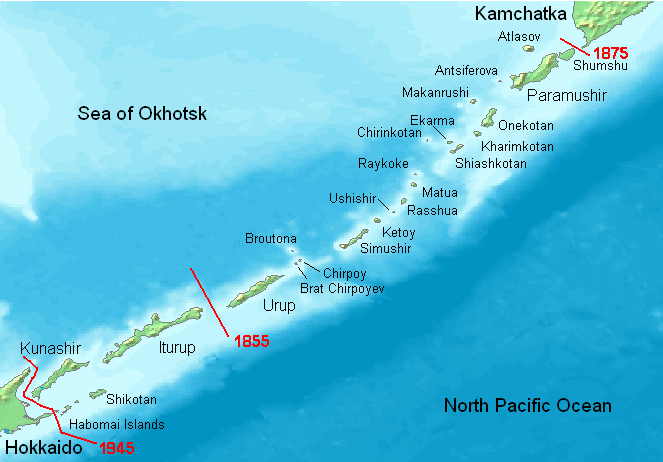
- Northern islands: including the Kuril chain and the smaller islets north of Hokkaido; several are subject to historical territorial disputes.
Characteristics and human use
Islands differ markedly in climate, geology and human use. Many support large urban centers, agriculture and industry; others are important for fisheries, shipping lanes, military strategy, biodiversity and tourism. A considerable portion of Japan’s islands are uninhabited or sparsely populated, offering habitats for endemic species.
History, culture and notable issues
Japan’s islands have shaped distinct regional identities: Ainu culture in Hokkaido, Ryukyuan heritage in the south, and varied mainland traditions. Modern mapping, coastal reclamation and historical treaties have affected island counts and sovereignty. Some islands are the subject of international dispute, most notably those north of Hokkaido.
Why the islands matter
Japan’s islands determine maritime jurisdiction, economic zones and strategic posture. They host unique natural environments and cultural diversity and are central to activities ranging from fisheries and tourism to transportation and national defense.
Related articles
Author
AlegsaOnline.com Islands of Japan: major islands and island groups Leandro Alegsa
URL: https://en.alegsaonline.com/art/124764
Sources
- books.google.com : Look Japan
- books.google.com : Japan in the Beginning of the 20th Century
- books.google.com : Japan in the Beginning of the 20th Century
- books.google.com : Japan Encyclopedia
- books.google.com : Japan Encyclopedia
- books.google.com : Japan Encyclopedia
- books.google.com : Island Sustainability
- books.google.com : Japan Encyclopedia
- books.google.com : Japan Encyclopedia
- books.google.com : Japan Encyclopedia
- books.google.com : Japan Encyclopedia
- books.google.com : Japan Encyclopedia