
List of lakes by continent: overview, notable examples, and ecological importance
Organized overview of lakes worldwide: formation types, representative examples by continent, major records, uses, ecological roles, and current threats with links to further lists.
Lakes are inland bodies of standing water, varying from small ponds to immense basins. They form through tectonic, glacial, volcanic, fluvial or artificial processes and may hold fresh, saline or brackish water. For comprehensive indexes and ordered compilations see the global lake list and a continent-based continental index.
Image gallery
10 Images



Characteristics and common types
- By origin: glacial (formed by ice), tectonic (fault basins), volcanic (crater lakes), fluvial/oxbow, and artificial reservoirs.
- By chemistry: freshwater, saline or soda lakes; some are meromictic with layered water.
- By ecology: oligotrophic (low nutrients) to eutrophic (nutrient-rich and productive).
Notable lakes and representative examples by continent
- Africa: Lake Victoria, Lake Tanganyika, Lake Malawi — major freshwater sources and biodiversity hotspots.
- Asia: The Caspian Sea (a saline lake between Europe and Asia), Lake Baikal (noted for depth and volume), and the Aral Sea (major shrinkage in recent decades).
- Europe: Lake Ladoga and Lake Onega in the north, and many smaller glacial and tectonic lakes across the continent.
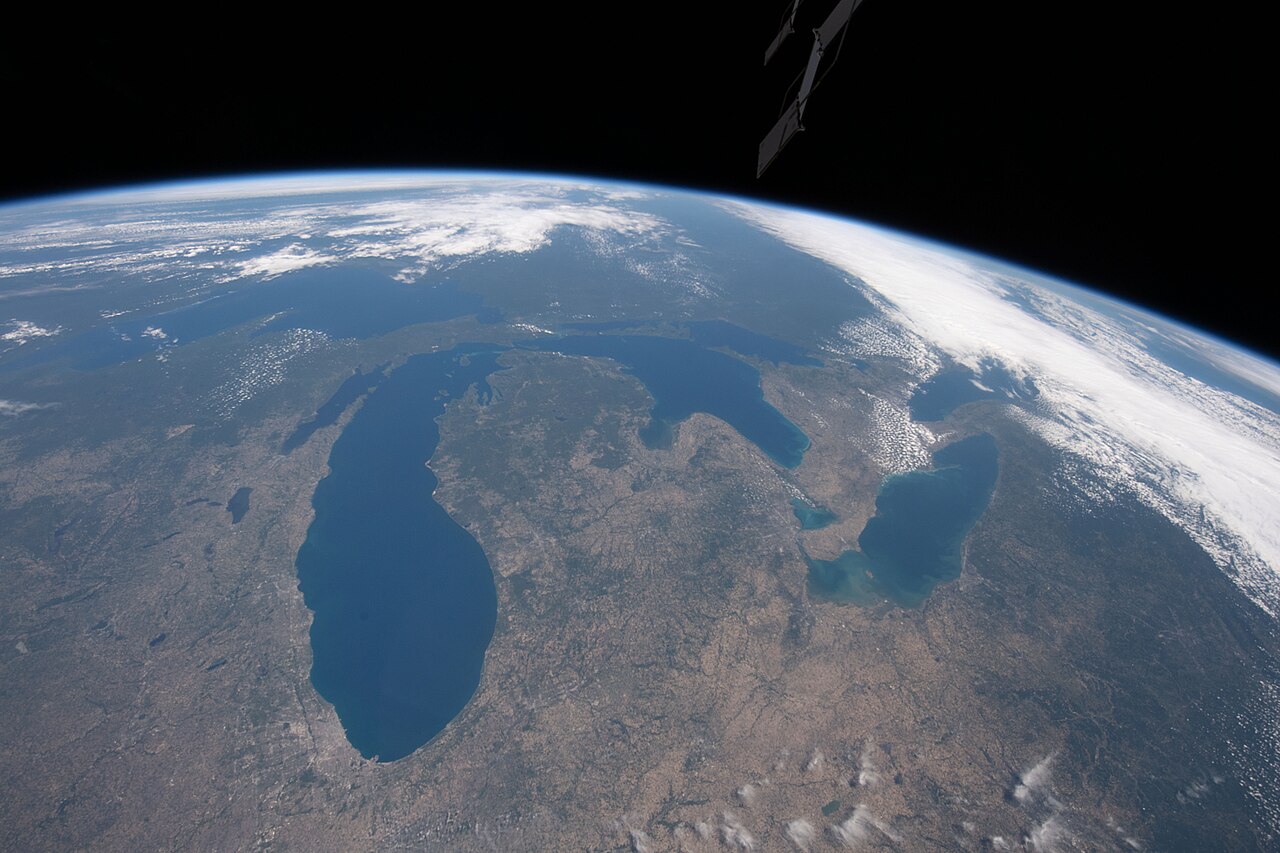
- North America: The Great Lakes (Superior, Michigan, Huron, Erie, Ontario) plus numerous glacial and reservoir lakes.
- South America: Lake Titicaca (high-altitude freshwater) and large river-fed and tectonic lakes across the continent.
- Oceania: Australia has ephemeral inland lakes and saline systems; New Zealand hosts volcanic lakes such as Lake Taupo.
- Antarctica: Subglacial lakes such as Lake Vostok exist beneath the ice sheet and are of scientific interest.
Uses and significance
Lakes supply drinking water, irrigation and habitat for fisheries; they support transportation, hydroelectric power and recreation. Many lakes are centers of regional culture and economy and host unique flora and fauna, making them important for conservation and scientific study.
Threats and conservation
Human activities and climate change pose pressures: pollution and nutrient runoff cause eutrophication, invasive species alter ecosystems, water extraction and damming change hydrology, and warming affects ice cover and water balance. Conservation efforts include protected areas, pollution control, sustainable fisheries and transboundary water agreements.
Related articles
Author
AlegsaOnline.com List of lakes by continent: overview, notable examples, and ecological importance Leandro Alegsa
URL: https://en.alegsaonline.com/art/124785