
List of incorporated cities in Alaska
Overview of the 143 incorporated cities in the U.S. state of Alaska, their legal classifications, notable examples, governance roles, and geographic context.
Overview
This article summarizes the incorporated cities of Alaska, a U.S. state with a unique municipal structure. There are 143 incorporated cities, a count that includes consolidated city–borough governments. Incorporated municipalities in Alaska differ from unincorporated communities and census-designated places, which are governed differently or lack municipal charters.
Image gallery
7 Images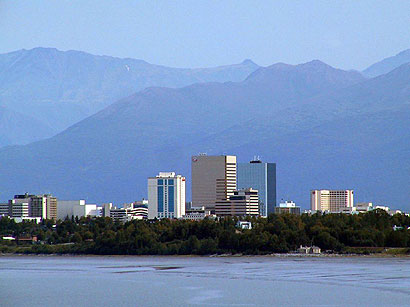


Legal status and types
Alaskan municipal law allows several kinds of local governments. Cities may operate under different classifications and powers depending on their charters or state statutes. Common categories include:
- Home rule cities with broad self-governing authority;
- First-class and second-class cities with varying responsibilities for services and taxation;
- Consolidated city–boroughs (unified governments) that combine city and borough functions.
Notable examples
Several incorporated places are widely recognized. Anchorage is the largest city and the main economic hub; Juneau serves as the state capital; Fairbanks is an interior regional center. Smaller incorporated towns range from coastal fishing villages to interior communities, many with long histories of indigenous habitation and later settlement.
Geography, access, and services
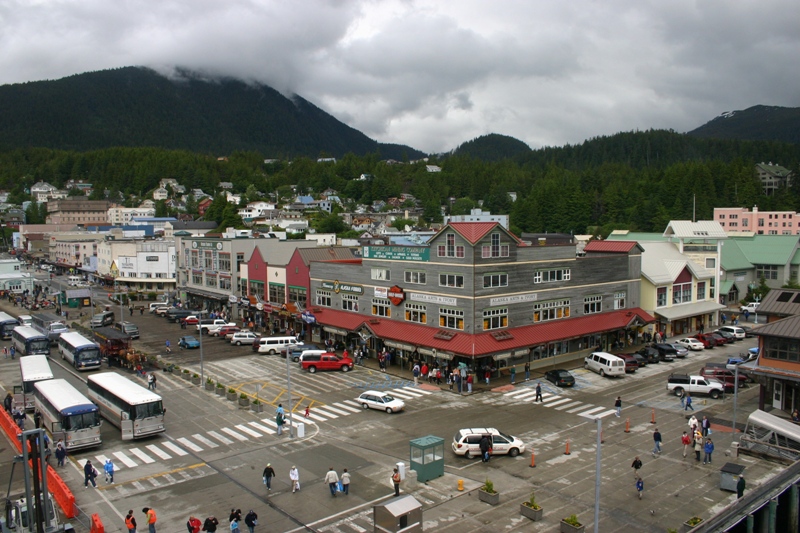
Alaska's vast distances and rugged terrain shape municipal life. Many incorporated cities are remote and reachable only by air or water, influencing how they provide utilities, education, and healthcare. Others lie within organized boroughs that coordinate regional services. Weather, subsistence economies, and seasonal transport can affect municipal operations.
Context and distinctions
When consulting lists or directories, note the difference between an incorporated city and locales recognized for census or postal purposes. Incorporated status confers legal powers, elected government, and obligations under state law. This distinction is important for governance, funding, and residents' civic rights.
Further information
For detailed entries and official boundaries, municipal charters and state resources provide authoritative data. Many compilations and government publications list each city and describe its form of government, services, and demographic notes.
Related articles
Author
AlegsaOnline.com List of incorporated cities in Alaska Leandro Alegsa
URL: https://en.alegsaonline.com/art/124549