
Cities and towns of Croatia (list and overview)
Overview of Croatian cities and towns (grad), their legal status, major examples, administrative structure, history, and where to find a complete official list.
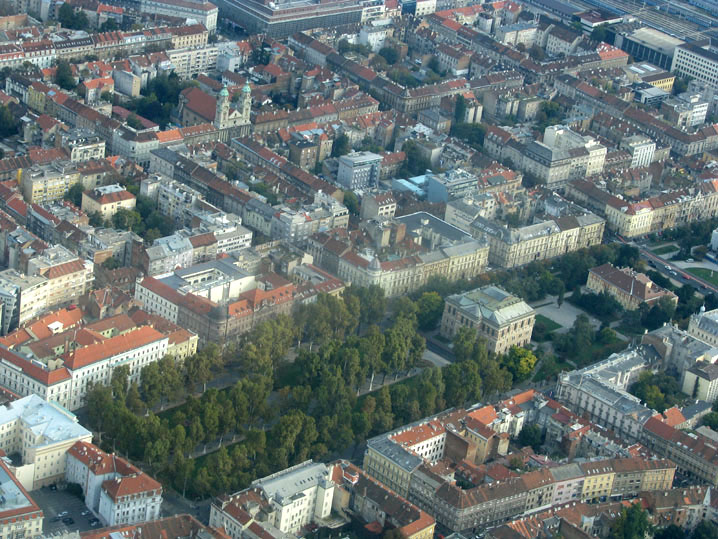
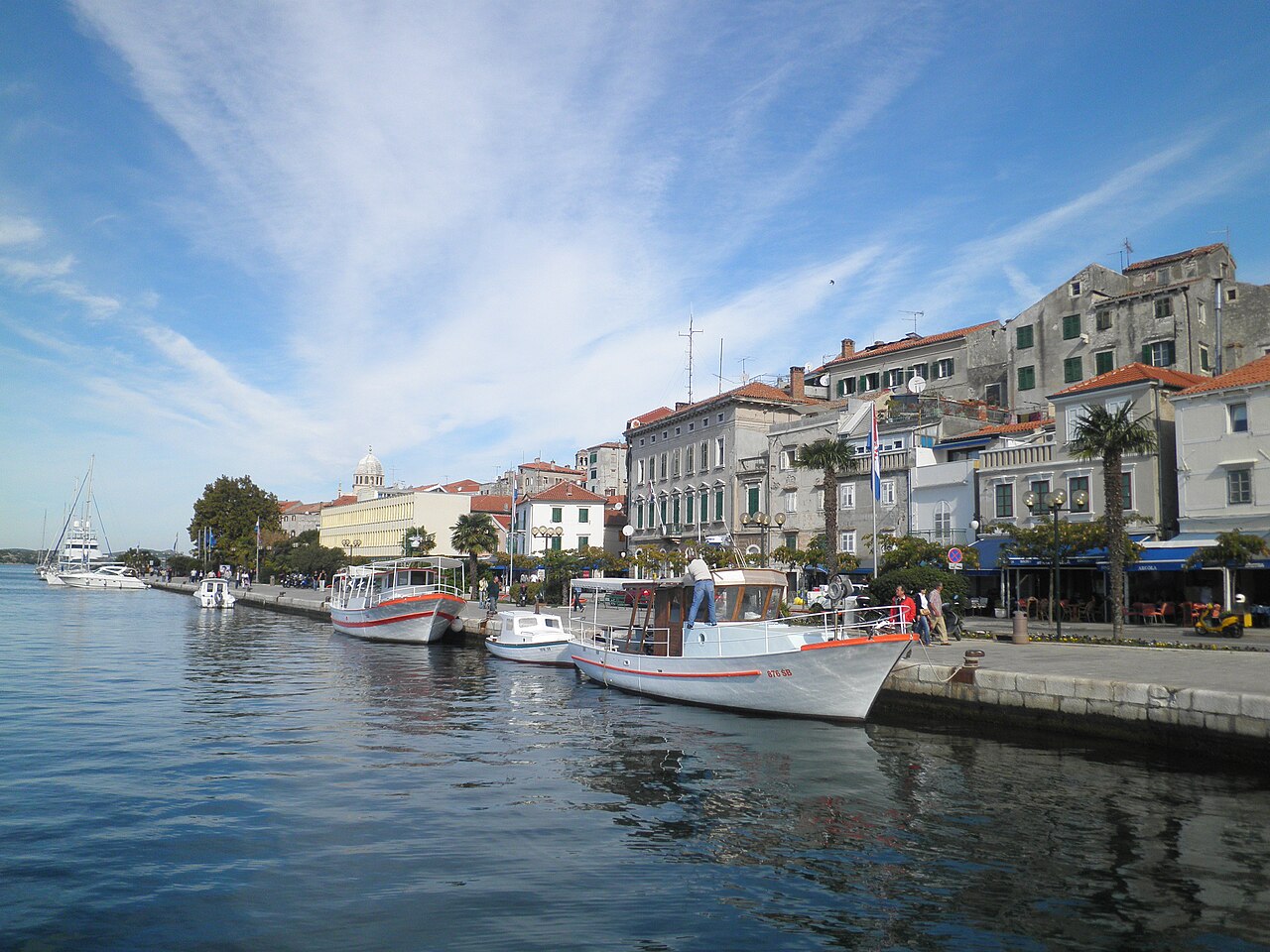
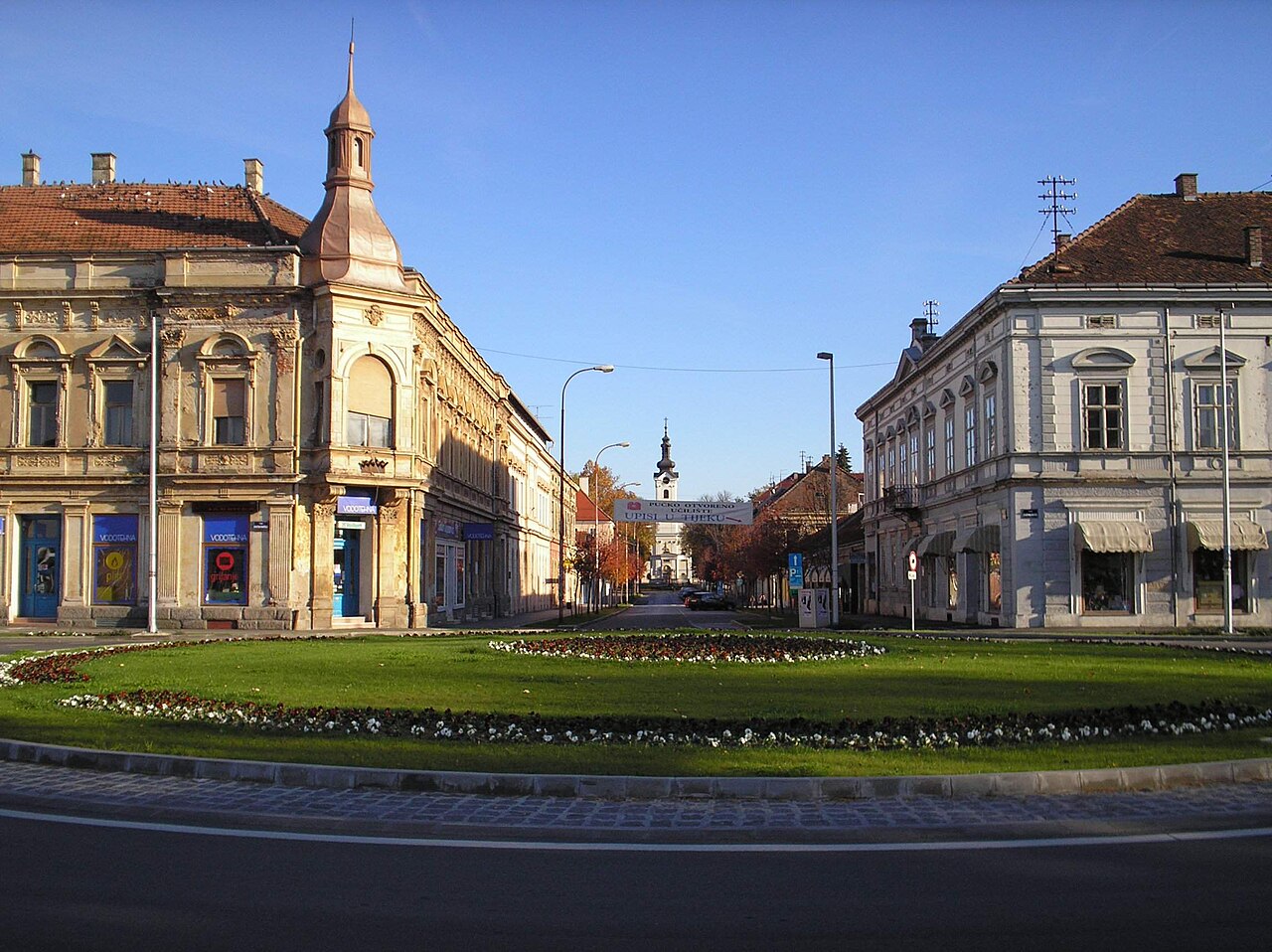
The term for a city or town in Croatia is grad (plural gradovi). In English usage both "cities" and "towns" are commonly used to translate grad, reflecting a range of settlements from large regional centres to smaller municipal towns. The designation grad is a legal status awarded by law and conveys a set of administrative responsibilities and rights under Croatia's local self-government system.
Image gallery
10 Images




Definition and administration
A grad functions as a unit of local government. Each has an elected mayor (gradonačelnik) and a city council, and is responsible for services such as urban planning, primary education, local roads, utilities and some social services. Cities are composed of settlements (naselja) and frequently into city districts or local committees that handle neighbourhood-level matters. The City of Zagreb is a special case with the status of both a city and a county.
Criteria and distinctions
Legal criteria for calling a place a grad include population size, economic and social development, and regional importance, though historic and political factors also influence the status. Grad is distinct from an općina (municipality), which generally covers more rural areas and has different competences. Settlements (naselja) are the basic census units and may lie within either a grad or an općina.
Major cities and examples
Examples of important Croatian cities include:
- Zagreb — the capital and largest urban centre; a cultural and economic hub.
- Split — major port and regional centre on the Adriatic coast.
- Rijeka — important Adriatic port with industrial and maritime activity.
- Osijek, Zadar, Pula, Varaždin, Šibenik and Dubrovnik — each notable as regional centres for administration, tourism, culture or industry.
History and development
Croatian urban settlements have diverse origins: some are ancient Roman or medieval towns that kept regional influence, others grew in modern times around industry, transport nodes or tourism. Over the 19th and 20th centuries administrative reforms formalised many gradovi and set the framework used today for local government and planning.
Where to find a full list
Comprehensive, up-to-date official registers list all cities and towns (gradovi) with their administrative boundaries, population and contact information. For a full alphabetical and administrative list consult the official register available here: official list of cities and towns. Such resources are useful for demographic research, travel planning, or understanding local governance in Croatia.
Questions and answers
Q: What is the text about?
A: The text is about a list of cities and towns in Croatia.
Q: What is a grad in Croatia?
A: A grad in Croatia refers to a city or town.
Q: How many cities and towns are included in the list?
A: The text does not specify the number of cities and towns included in the list.
Q: What language is spoken in Croatia?
A: The official language of Croatia is Croatian.
Q: Are all cities and towns in Croatia called grad?
A: Yes, all cities and towns in Croatia are called grad.
Q: Is Croatia a Balkan country?
A: Yes, Croatia is located in the Balkans, a region in Southeast Europe.
Q: What type of information can you find on the list of cities and towns in Croatia?
A: The list provides a comprehensive record of cities and towns in Croatia, including their names and locations.
Related articles
Author
AlegsaOnline.com Cities and towns of Croatia (list and overview) Leandro Alegsa
URL: https://en.alegsaonline.com/art/124557