
Cities of Iran: overview and major urban centers
An organized overview of cities in Iran: definition, governance, major population centers, historical development, and how city status differs from villages and metropolitan areas.
Overview
Iran is a country with a long urban history and a dense network of municipalities that range from the capital, Tehran, to many small provincial towns. In Persian, a city is generally called a shahr. Modern administrative practice recognizes settlements as cities when they have an organized municipal government; many hundreds, and in total over a thousand, places in Iran hold city status.
Image gallery
10 Images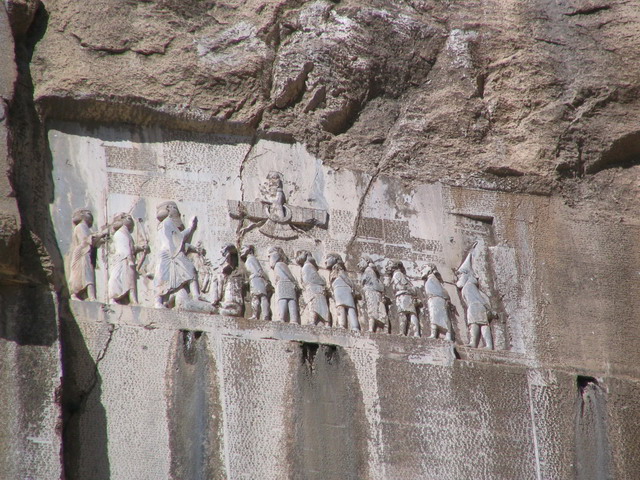


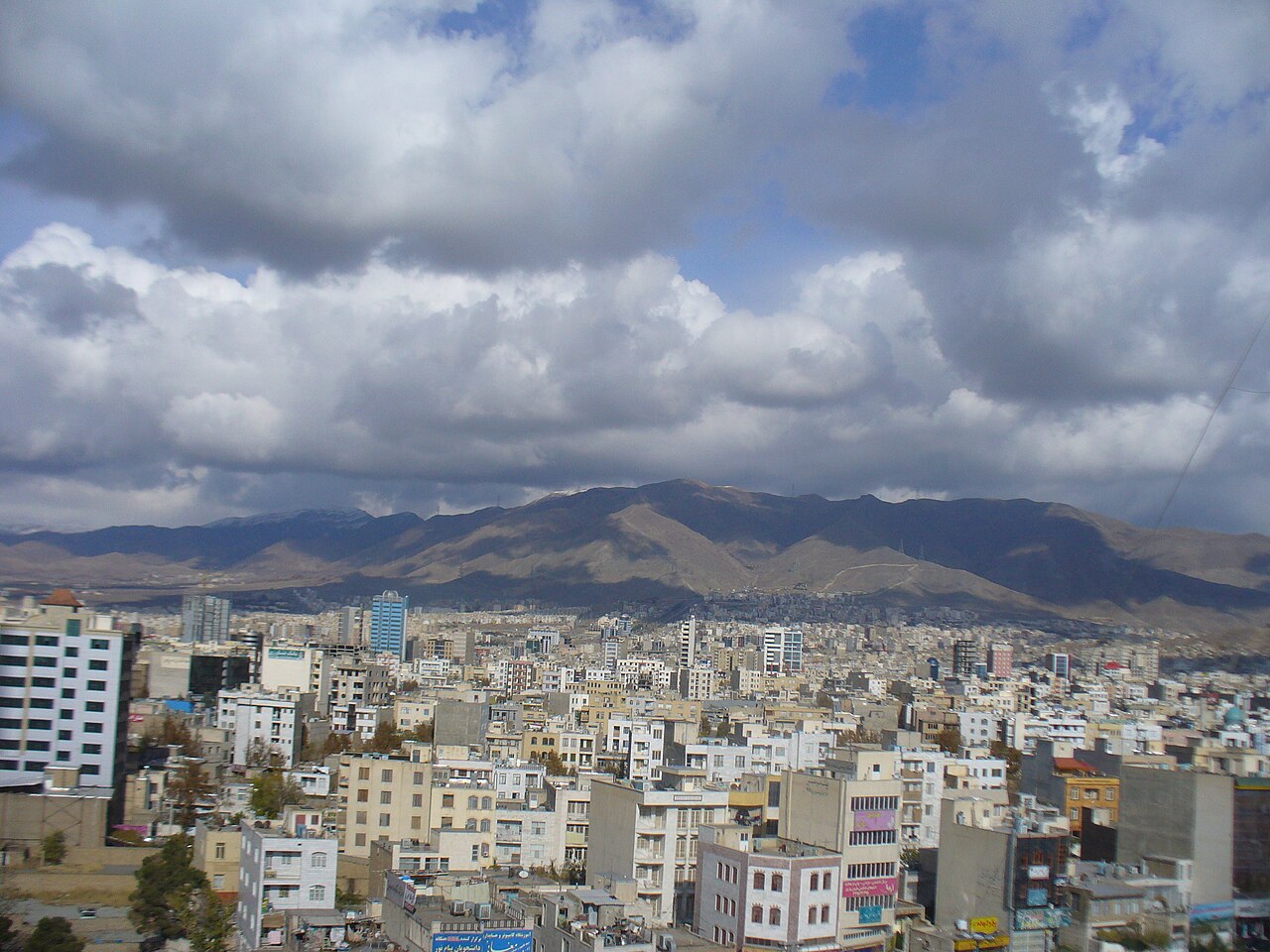

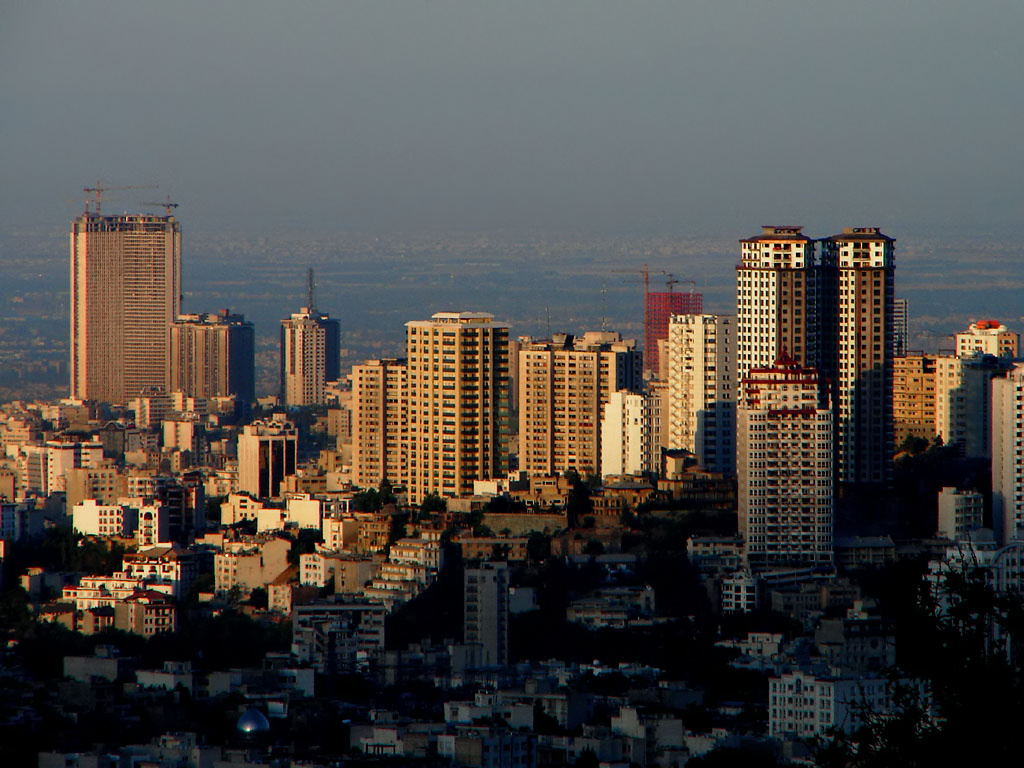


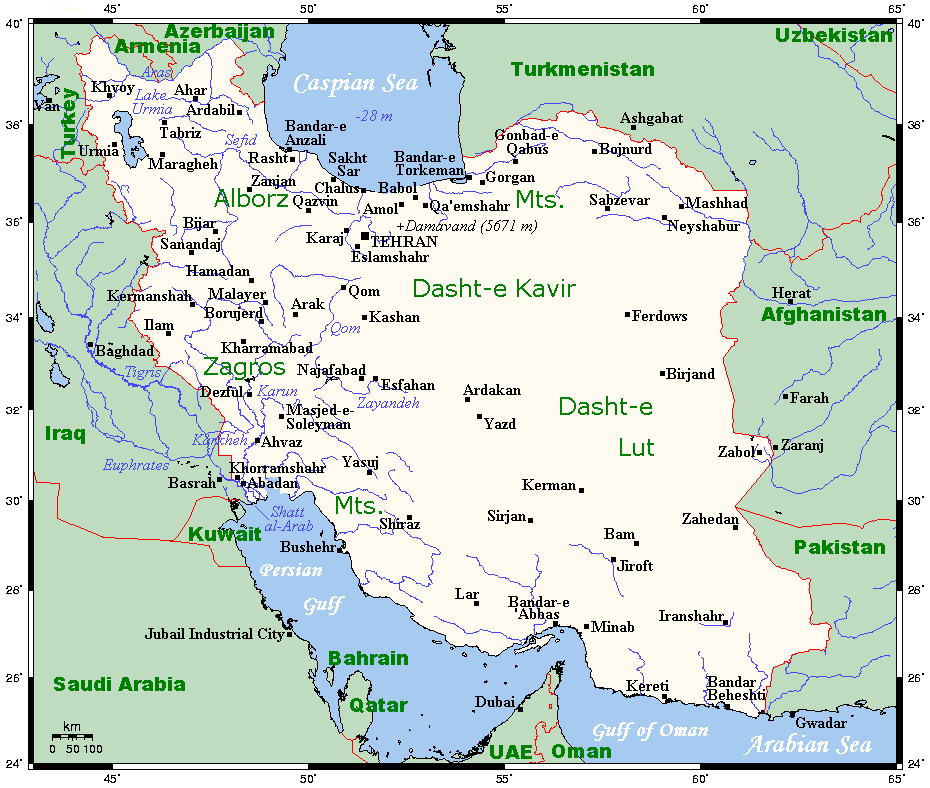
Administrative structure and governance
Cities in Iran typically serve as the seat of a county (shahrestan) or a provincial division (ostan). Urban governments are run by municipalities (shahrdari) and guided by elected Islamic City Councils. Councils select or approve a mayor, who is responsible for local services such as urban planning, public transport, road maintenance, sanitation and some cultural activities. The Ministry of Interior provides national oversight of local administrations.
Major cities and regional roles
Beyond Tehran—Iran's political and economic center—several other cities are nationally prominent for population, culture, religion or industry. These include Mashhad (a major pilgrimage site and regional hub), Isfahan (noted for historic architecture and cultural heritage), Shiraz (literary and cultural associations), Tabriz (northwestern commercial center), Qom (religious seminary center), and Ahvaz (oil-industry activity). Others such as Kerman, Rasht, Urmia, Yazd and Bandar Abbas play important regional roles.
Examples of notable cities
- Tehran — national capital and largest urban agglomeration.
- Mashhad — major pilgrimage destination with economic and service industries.
- Isfahan — cultural and historical center known for architecture.
- Tabriz and Shiraz — important regional metropolises with historic significance.
History and urban development
Iranian cities reflect millennia of settlement, trade routes and imperial capitals. Over the 20th and 21st centuries rapid urbanization, industrialization and administrative reforms transformed population distribution, creating larger metropolitan areas and expanding municipal responsibilities. Infrastructure investments and migration patterns have concentrated population growth in a relatively small number of major urban centers.
Distinctions and practical notes
When consulting lists of Iranian cities, note the difference between a city's administrative limits (city proper) and its larger metropolitan or commuter area. Some settlements are elevated to city status for administrative purposes even when their population is modest. For a comprehensive, up-to-date enumeration of cities and their official status, see the national listings: official list of cities in Iran.
Related articles
Author
AlegsaOnline.com Cities of Iran: overview and major urban centers Leandro Alegsa
URL: https://en.alegsaonline.com/art/124564
Sources
- world-gazetteer.com : Lists by province