
List of cities in Brazil — overview, major municipalities and classifications
Overview of Brazilian cities, how municipalities are defined and grouped, examples of major cities and state capitals, historical notes and distinctions between cities and metropolitan areas.
Overview
Brazil's urban network is organized around municipalities (municípios), the country's primary local government units. There are thousands of municipalities ranging from small towns to megacities. In common usage the word "city" may refer either to the municipal seat, the full municipal territory, or to an urban agglomeration (metropolitan area).
Image gallery
10 Images



Organization and classification
Brazilian municipalities are part of states and the Federal District. A municipality has administrative autonomy and an elected mayor and council. Statistically, lists of cities are created using different criteria: population of the municipal seat, population of the municipality as a whole, or population of a metropolitan area that combines several adjacent municipalities.
Major cities (examples)
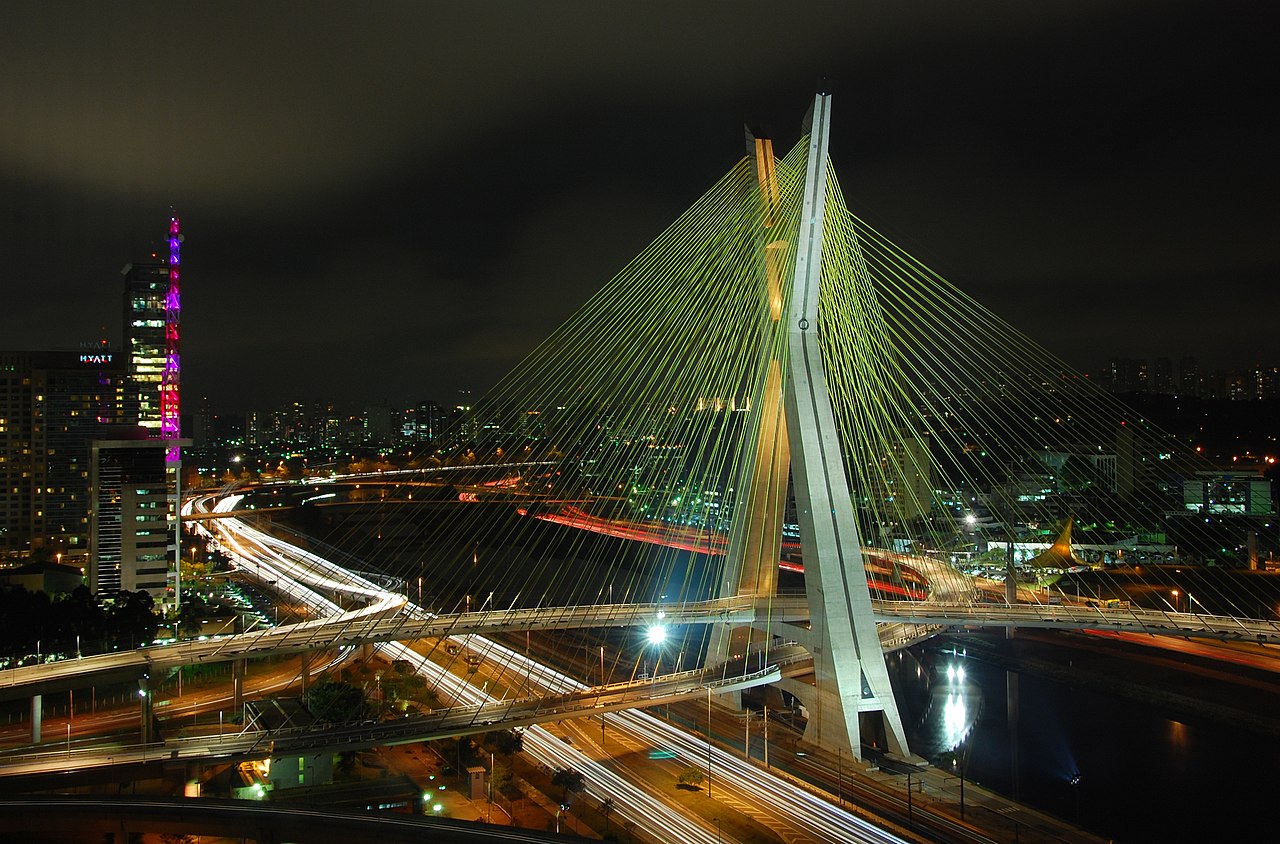
- São Paulo — Brazil's largest city and a major financial and cultural center
- Rio de Janeiro — known for its coastline, Carnival and tourist attractions
- Salvador — important historical city in the northeast
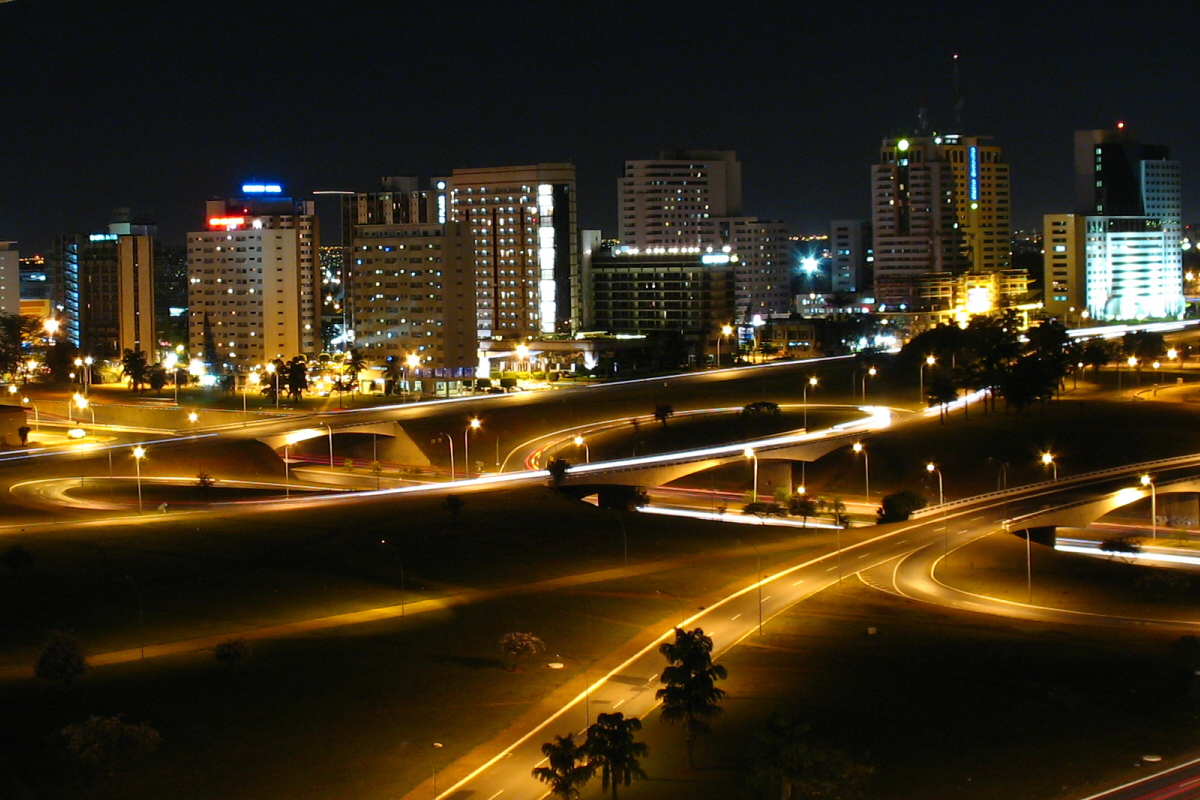
- Brasília — Federal capital and planned city inaugurated in 1960
- Fortaleza — coastal metropolis in the northeast
- Belo Horizonte — regional hub in the southeast
- Manaus — major city in the Amazon region
- Curitiba — noted for urban planning in the south
- Recife — coastal capital and cultural center
- Porto Alegre — influential city in the far south
History and development
Many Brazilian cities trace their origins to indigenous settlements, colonial ports and inland towns founded during the Portuguese era. Industrialization, migration and regional policies shaped 19th and 20th century growth. The move of the national capital from Rio de Janeiro to the purpose-built Brasília represented a major planning decision that influenced internal migration and infrastructure investment.
Uses and notable distinctions
Lists of cities are used for governance, planning, and statistical analysis. It is important to distinguish between a municipality's legal boundaries and a metropolitan area's functional urban region: some of Brazil's largest economic centers extend beyond a single municipal boundary into densely interconnected metropolitan zones.
For detailed rankings and official counts, consult national statistical sources or curated compilations such as the linked dataset: official list and statistics.
Related articles
Author
AlegsaOnline.com List of cities in Brazil — overview, major municipalities and classifications Leandro Alegsa
URL: https://en.alegsaonline.com/art/124556