
List of cities in Luxembourg
An overview and alphabetical list of the twelve officially recognized cities of Luxembourg, with brief notes on their location, historical role, and distinguishing features.
Luxembourg, a small European state, formally recognizes a limited number of towns as villes (cities). These places have historical, administrative or ceremonial significance beyond that of ordinary communes. The following article provides an accessible list of the twelve municipalities traditionally granted city status, together with short notes on each and context about what "city" means in Luxembourg.
Image gallery
10 Images
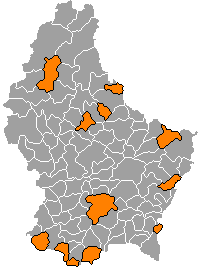



Alphabetical list of the twelve cities
- Clervaux — a northern town known for its hilltop castle and wartime history.
- Differdange — an urban centre in the south with an industrial past and residential districts.
- Diekirch — a river-side town noted for local museums and regional administration.
- Dudelange — a former industrial settlement that now hosts cultural events and community life.
- Echternach — one of the oldest towns, famed for its abbey and traditional annual procession.
- Esch-sur-Alzette — a major southern urban area and cultural hub in the Minett region.
- Ettelbruck — a transport and service centre in central Luxembourg.
- Grevenmacher — located on the Moselle, associated with vineyards and riverside scenery.
- Luxembourg — the national capital and principal city, seat of many governmental and international institutions.
- Remich — a small wine town on the Moselle valley, popular for riverfront walks and viticulture.
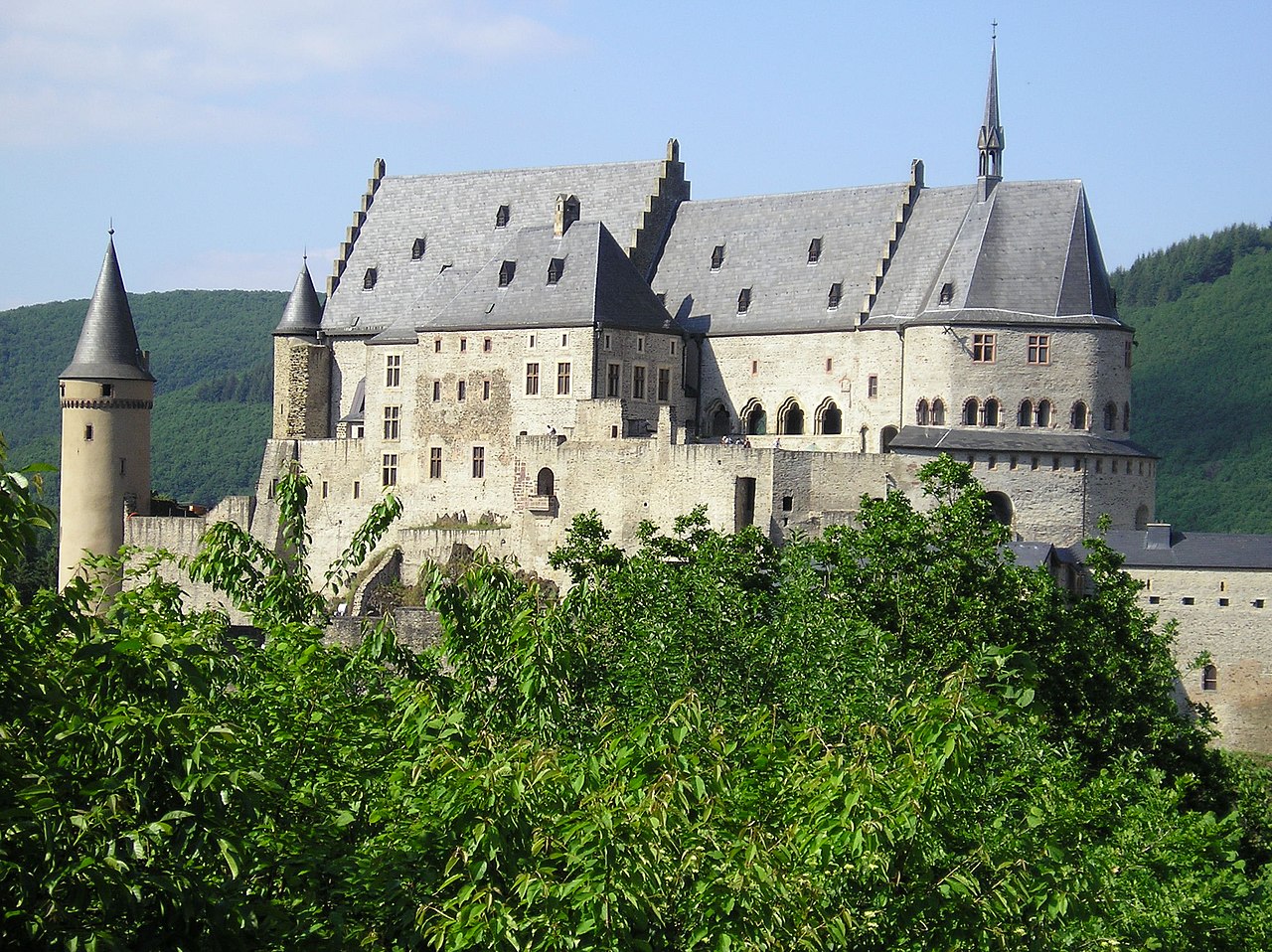
- Vianden — a picturesque town with a prominent medieval castle and tourist appeal.
- Wiltz — a hilltop town in the north known for cultural festivals and historic sites.
These twelve places are technically communes like the rest of the country's municipalities, but they carry the title of "city" because of historical charters, regional importance, or administrative recognition. City status in Luxembourg is not solely based on population size; some small towns retain the designation for historical reasons while larger communes may not be styled as cities.
History and administrative context: medieval market rights and fortifications originally distinguished towns from villages. Over time, modern legislation and decrees maintained or conferred city status on particular communes. Today the title is largely ceremonial but reflects a locality's cultural heritage or central role in its region.
For further details, official descriptions and any updates to municipal status consult the national listing and resources maintained by Luxembourgish authorities: official municipal information.
Related articles
Author
AlegsaOnline.com List of cities in Luxembourg Leandro Alegsa
URL: https://en.alegsaonline.com/art/124567