
List and Overview of Cities in Indonesia
An organized, neutral guide to Indonesian cities: administrative status, regional groupings, historical notes, uses and distinctions. Includes major city examples by island and pointers to official sources.
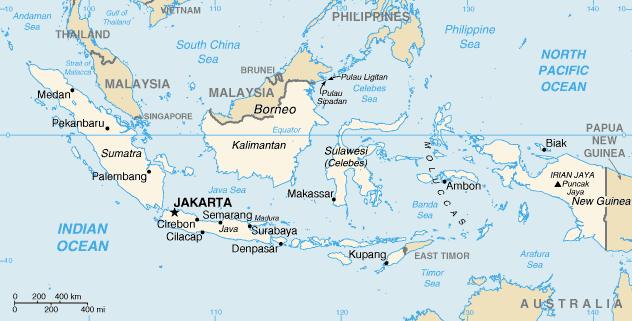
This article outlines the municipalities commonly referred to as cities in Indonesia. It focuses on their administrative role, regional distribution and examples of major urban centres. For formal lists and legal designations see the country’s compilations of official cities.
Image gallery
10 Images


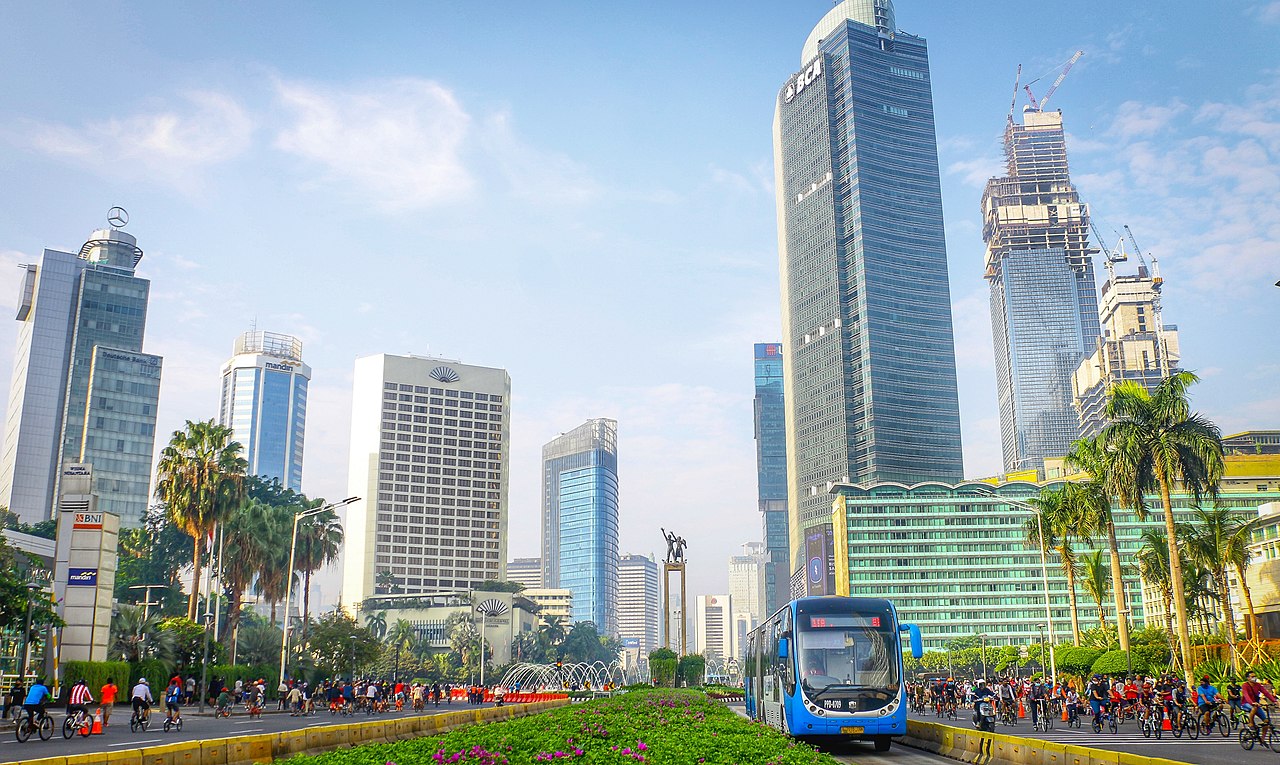


What is a city in Indonesia?
Indonesia uses an administrative distinction between kota (cities) and kabupaten (regencies). Both are second-level subdivisions directly below provinces and have comparable status, but a kota is typically more urban and focused on municipal governance while a kabupaten covers larger rural or mixed territories.
Regional groupings and notable examples
Cities are commonly grouped by major islands and regions. Below are representative examples; this is not an exhaustive catalog and population counts evolve with new censuses.
- Java: Jakarta (national capital and a special capital region), Surabaya, Bandung, Semarang, Bekasi, Tangerang, Yogyakarta
- Sumatra: Medan, Palembang, Padang, Pekanbaru, Banda Aceh
- Kalimantan (Borneo): Banjarmasin, Balikpapan, Samarinda, Pontianak
- Sulawesi: Makassar, Manado
- Bali and Nusa Tenggara: Denpasar, Kupang
- Maluku and Papua: Ambon, Jayapura
History and development
Many Indonesian cities grew around trading ports, colonial administrative centres or coastal hubs. During the 20th and 21st centuries rapid urbanization, economic change and internal migration reshaped the urban map. Administrative upgrades (from town to city status) have occurred as settlements urbanized and local governance structures matured.
Uses, importance and distinctions
Lists of cities are useful for governance, planning, research and travel. It is important to distinguish between the administrative boundaries of a kota and the larger metropolitan or built-up area that may include neighbouring regencies. Official lists and data are periodically updated by national statistical agencies and local governments; some widely circulated lists reflect older snapshots and should be cross-checked against current sources.
For authoritative registries and further reading, consult national publications or the designated compilations of official cities and other administrative resources in Indonesia.
Questions and answers
Q: What is the list about?
A: The list is about official cities in Indonesia, organized by major island or region.
Q: When was the population data collected?
A: The population numbers are based on data from 2005.
Q: Is the list inclusive of all cities in Indonesia?
A: Yes, the list includes all official cities in Indonesia.
Q: How are the cities organized in the list?
A: The cities are organized by major island or region.
Q: Can we infer the current population of a city from this list?
A: No, we cannot infer the current population of a city from the data as it is from 2005.
Q: Why is the population data relevant?
A: The population data helps give an idea of the size of the cities listed.
Q: Does the list include unofficial cities as well?
A: No, the list only includes official cities in Indonesia.
Related articles
Author
AlegsaOnline.com List and Overview of Cities in Indonesia Leandro Alegsa
URL: https://en.alegsaonline.com/art/124562
Sources
- datastatistik-indonesia.com : datastatistik-indonesia.com