
Board game: definition, mechanics, history and notable examples
Concise overview of board games: what they are, common components and mechanics, historical development, major examples, and cultural importance.
A board game is a structured form of play that typically uses a marked surface or board as the central arena for pieces, markers or tokens. The term covers a wide range of tabletop activities in which players follow a set of rules, take turns, and often compete or cooperate to reach an objective. For a basic introduction to the concept see board game. Many titles require pieces to be moved, placed or exchanged according to rules; they may also use components such as money or cards to track resources and progress.
Image gallery
10 Images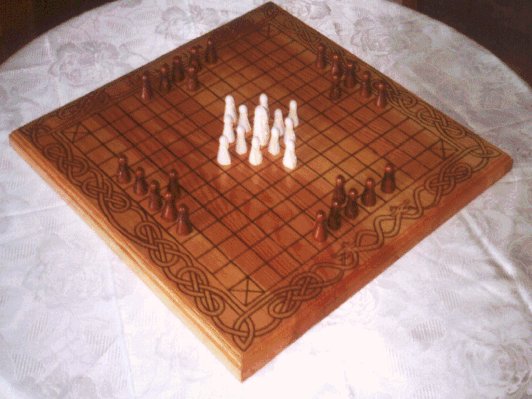




Characteristics and common components
Board games vary in complexity, duration and the balance between skill and chance. Typical components include a board with spaces or zones, tokens or pawns that represent players, and auxiliary items that introduce randomness or bookkeeping. Common elements are:
- Movement and placement: Pieces are moved or positioned on the board according to rules.
- Randomizers: Tools such as dice or shuffled cards add uncertainty or variation.
- Currency and units: Paper or cardboard money, chips, or resource markers track economic or supply states (money).
- Victory conditions: Objectives can be point totals, elimination of opponents, control of territory, or cooperative goals.
Mechanics, genres and examples
Mechanics determine how decisions are made and how interaction unfolds. Some broad categories are:
- Abstract strategy: Minimal luck; outcome hinges on player choices (classical examples include chess and checkers).
- Race and roll-and-move: Movement determined by dice or spinners (seen in many family games).
- Resource-management / Eurogames: Emphasize economic planning and indirect conflict.
- Party and social games: Focus on large groups, communication or bluffing.
- Cooperative and legacy games: Players work together or evolve the game state across sessions.
Well-known historical and modern titles illustrate these types: backgammon mixes skill and chance; parqués (a regional variant of cross-and-circle games) and traditional games such as go show deep strategic play; twentieth-century mass-market hits include Scrabble and Monopoly, each popularizing specific mechanics and audiences.
History and development
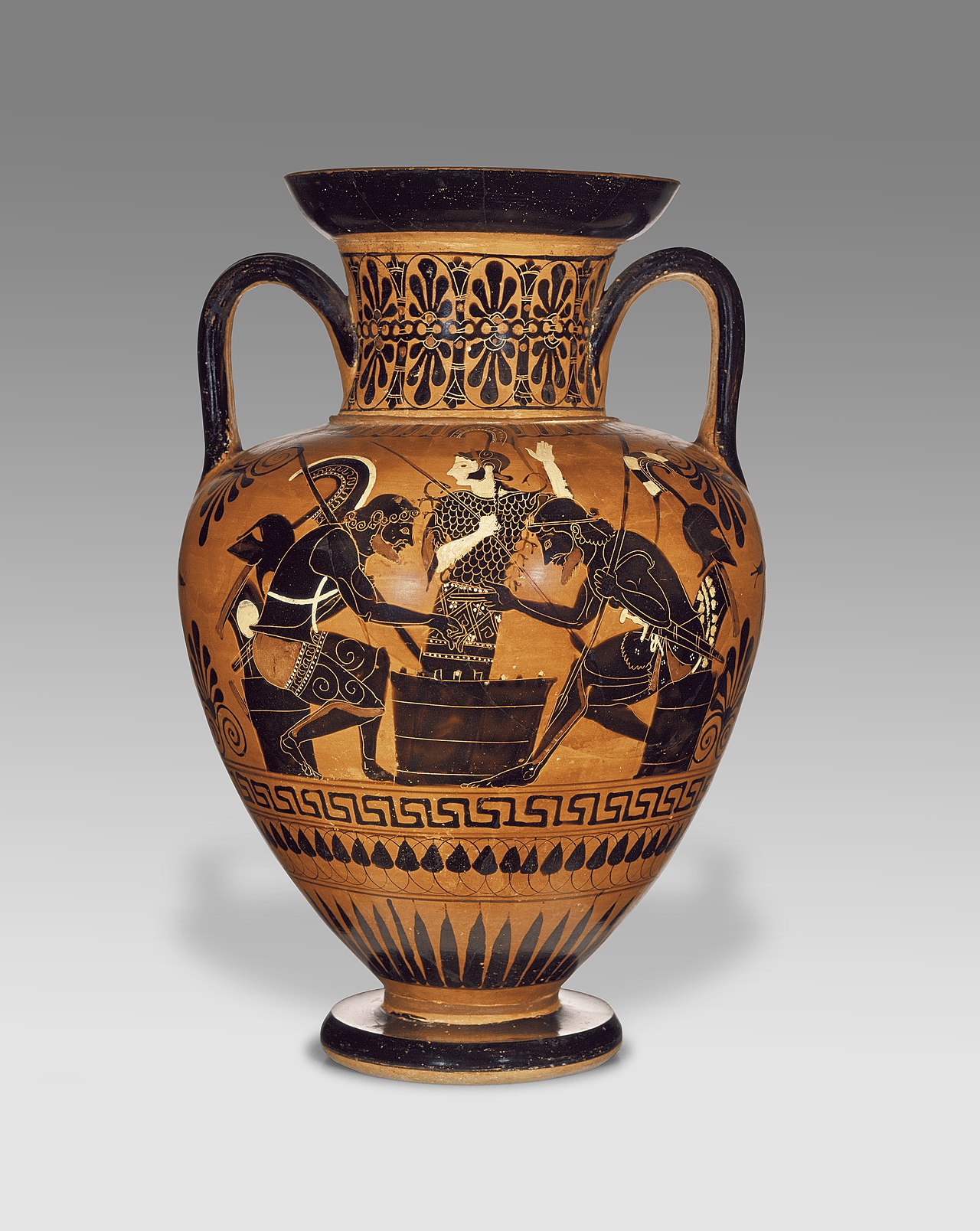
Board games have ancient roots. Archaeological and historical records show organized tabletop play in many cultures, from the river valleys of Egypt and Mesopotamia to East Asia and Northern Europe. Some families of games have existed for millennia and evolved regionally; for example, the family of tafl games in Northern Europe antedates or coexisted with early chess forms and features asymmetric forces and different objectives. Over centuries, rules and boards changed, leading to the standardized modern games known today. The 19th and 20th centuries introduced commercial mass-market publishing, while the late 20th and early 21st centuries saw a resurgence of creative design and hobby communities, often called a "board game renaissance."
Uses, cultural importance and distinctions
Board games serve social and educational roles: they encourage strategic thinking, arithmetic and language skills, negotiation, and group interaction. They are used in informal play, educational settings, competitive tournaments and as collectible hobbies. Notable technical distinctions include whether a game has perfect information (no hidden elements) as in chess, or whether luck and hidden information play major roles, as in many party or commercial family games. Variants also exist across regions—for example, many checkers variants are played on an 8×8 board with alternating dark and light squares, while international draughts uses a 10×10 grid—illustrating how board size and rule changes create distinct strategic landscapes.
Because board games span casual entertainment to deep competitive disciplines, they remain one of the oldest and most adaptable forms of structured play. For further reading and resources, consult primary references or specialized collections linked through introductory portals like board game guides.
Author
AlegsaOnline.com Board game: definition, mechanics, history and notable examples Leandro Alegsa
URL: https://en.alegsaonline.com/art/12450
Sources
- boardgamecentral.com : "International Checkers Rules"