
Levi Eshkol: Israeli statesman and third prime minister
Levi Eshkol (1895–1969) was Israel's third prime minister (1963–1969). A Labor leader and former finance minister, he guided the country through economic growth, mass immigration and the 1967 Six-Day War.
Levi Eshkol (born Levi Shkolnik; October 25, 1895 – February 26, 1969) was a leading figure in Israel's early statehood. He served as the country's third prime minister from 1963 until his death in 1969 and was a senior leader in the Labor movement. Eshkol combined administrative experience with a pragmatic, consensus-driven style that shaped Israel's politics during a decade of change.
Image gallery
10 Images


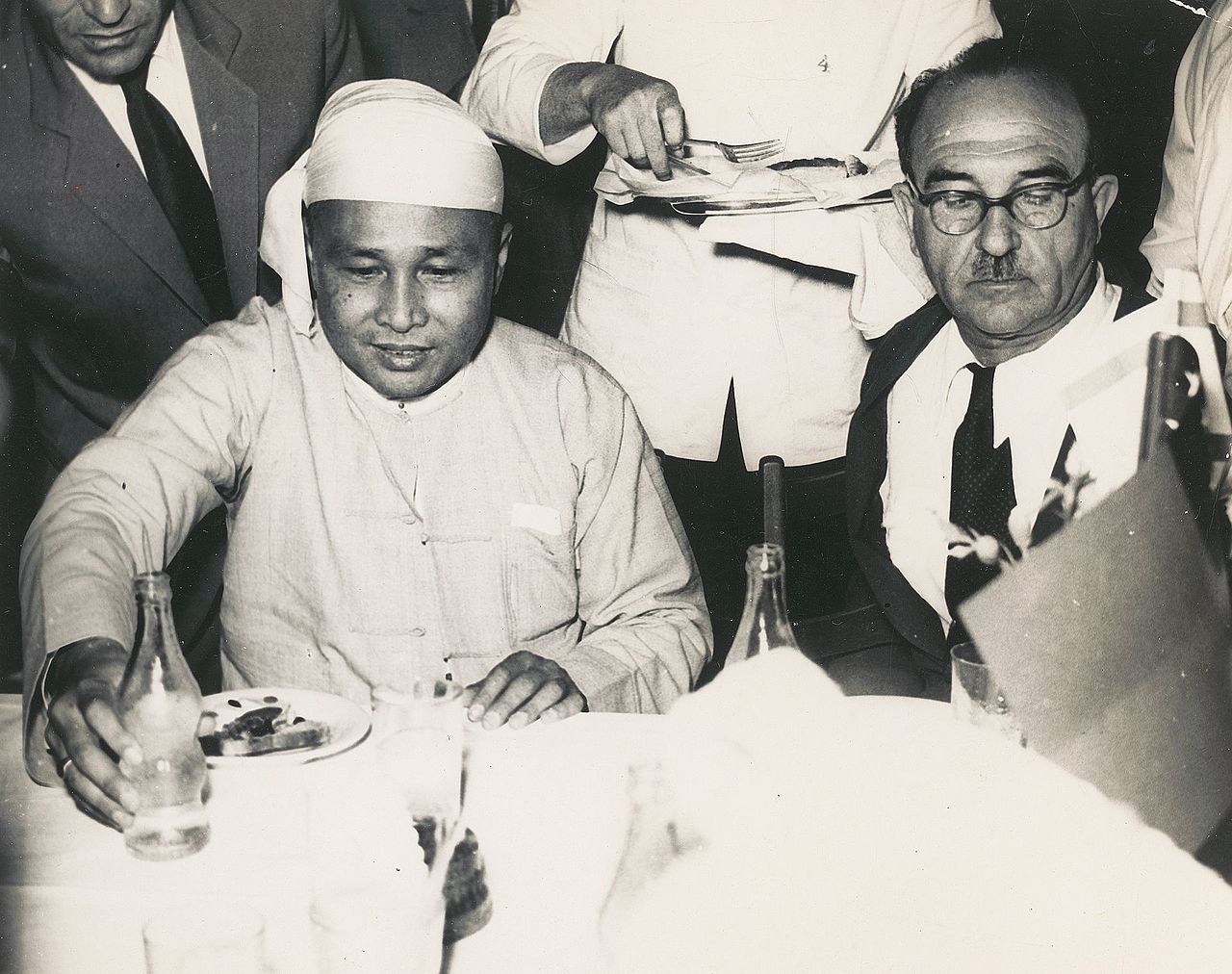


Background and political rise
Born in the western borderlands of the Russian Empire, Eshkol emigrated to Palestine as a young man and became active in agricultural settlement and labor organizations. Over decades he held a series of government portfolios, most notably the finance ministry, and built a reputation for steady management of the country's finances and institutions. His leadership style emphasized coalition-building within Israel's multiparty system.
Prime ministership and major events
As prime minister he presided over a period of rapid social and economic development, the absorption of large numbers of new immigrants, and significant public works and agricultural programs. Internationally, his premiership is most remembered for the 1967 Six-Day War, a brief but consequential conflict that reshaped the region and Israel's strategic position. During this time Eshkol worked to secure diplomatic and military support from allies and to maintain national unity at home.
Policies, priorities and leadership style
- Economic stewardship: emphasized balanced budgets, development projects and infrastructure to support population growth.
- Immigration and absorption: oversaw programs to integrate new arrivals into housing, employment and education systems.
- Coalition governance: favored pragmatic compromises among diverse parties to maintain stable government.
Eshkol's approach contrasted with more ideologically driven leaders; he was often described as methodical, reserved and focused on administration rather than grandstanding.
Levi Eshkol died in office in 1969. His tenure left a mixed but significant legacy of institutional strengthening and wartime leadership. He is interred at Mount Herzl in Jerusalem, and his career remains a reference point in discussions of Israel's early political and economic development. For context on the office he held and the country he led, see material about the Israeli state and its institutions.
Related articles
Author
AlegsaOnline.com Levi Eshkol: Israeli statesman and third prime minister Leandro Alegsa
URL: https://en.alegsaonline.com/art/124319