
Levy Mwanawasa (Zambian president, 2002–2008)
Levy Mwanawasa (1948–2008) was a Zambian lawyer and politician who served as president from 2002 until his death. He is remembered for anti‑corruption efforts, economic reform and a cautious, legalistic style of governance.
Levy Patrick Mwanawasa (September 3, 1948 – August 19, 2008) was a Zambian lawyer and political leader who served as President of Zambia from January 2002 until his death in 2008. He rose to national prominence as a figure associated with the Movement for Multi-Party Democracy and was widely regarded for emphasizing rule of law and anti‑corruption measures during his time in office. His death followed a serious stroke and precipitated an immediate constitutional transition.
Image gallery
4 Images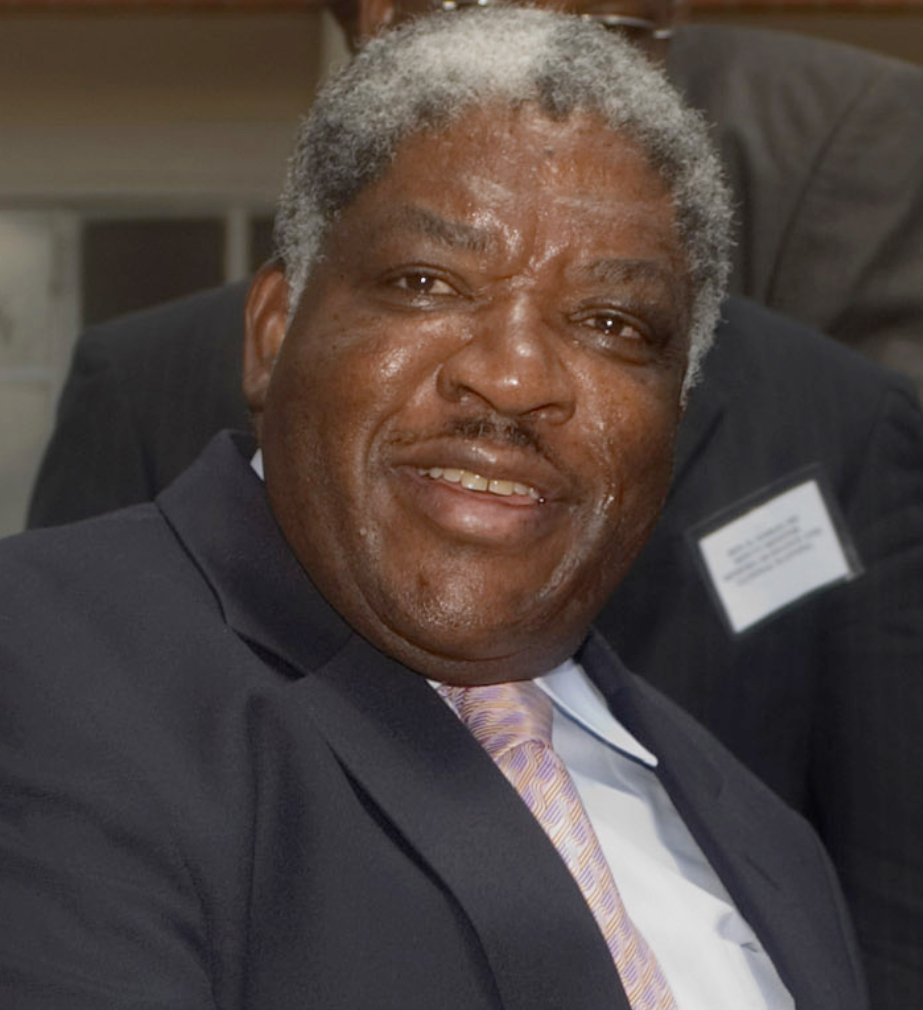


Early life and professional background
Mwanawasa trained in law and established a career that combined legal practice with public service. Before becoming president he was active in national politics and in government circles, building a reputation as a cautious, process-oriented administrator. He entered the presidency with experience in both the legal profession and political organization, which shaped his approach to governance.
Presidency and policy priorities
Taking office in 2002, Mwanawasa led a government that sought to stabilize the economy and address long-standing governance challenges. He was re-elected and spent much of his tenure promoting transparency and attempting to reduce corruption among senior officials. His administration favored market-friendly policies while aiming to protect social programs important to a broad electorate.
- Anti‑corruption initiatives and prosecutions aimed at high-level abuse of office.
- Economic stabilization measures that sought to attract investment and maintain fiscal discipline.
- Efforts to strengthen institutions of accountability and the judiciary.
Health, death and succession
Mwanawasa suffered a serious medical event in 2008 and subsequently died on August 19, 2008. His passing triggered an orderly constitutional transfer of power to his vice‑president, underscoring the resilience of Zambia’s political institutions. International leaders and regional partners noted his contributions to governance in their public responses.
Assessment and legacy
Levy Mwanawasa is remembered for raising the profile of anti‑corruption on Zambia’s national agenda and for steering the country through a period of cautious economic management. Opinions about the long-term impact of his reforms are mixed: supporters credit him with restoring credibility to public office, while critics argue that persistent structural challenges limited the depth of change. His career remains an important chapter in Zambia’s post‑one‑party political evolution and is often cited in discussions about leadership, accountability and the rule of law in southern Africa. For more context see related profiles of his life and policies at further resources.
Related articles
Author
AlegsaOnline.com Levy Mwanawasa (Zambian president, 2002–2008) Leandro Alegsa
URL: https://en.alegsaonline.com/art/124321
Sources
- news.bbc.co.uk : "BBC NEWS - Zambia's president dies in France"
- commons.wikimedia.orgLevy_Mwanawasa.html : Levy Mwanawasa