
Lewis Cass: American statesman, senator, and advocate of popular sovereignty
Lewis Cass (1782–1866) was a military officer, long‑time Michigan leader, U.S. senator, Cabinet member, and the 1848 Democratic presidential nominee known for promoting territorial 'popular sovereignty.'
Overview
Lewis Cass (October 9, 1782 – June 17, 1866) was a prominent 19th‑century American politician and diplomat. He served in multiple national roles: he represented Michigan in the United States Senate, held Cabinet posts in the administrations of President Andrew Jackson and President James Buchanan, and was the Democratic Party's presidential nominee in 1848. Cass is frequently associated with the doctrine known as popular sovereignty, the idea that residents of a territory should decide for themselves whether to permit slavery.
Image gallery
8 Images


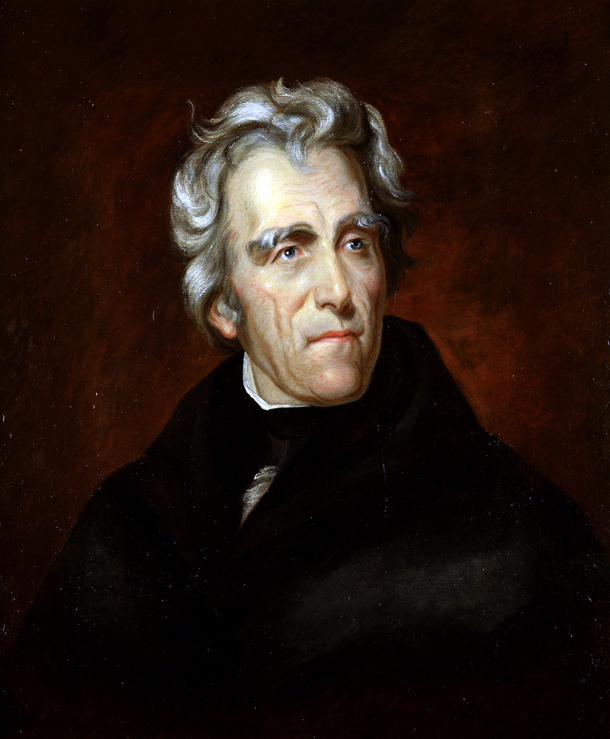

Public service and career
Cass's career combined military service, territorial administration, legislative work, and diplomacy. Early in life he served in the army during the War of 1812 and later became governor of the Michigan Territory, where he played a central role in territorial organization and in negotiating treaties with Native American nations. Over decades he moved between public and diplomatic posts and long tenures in the U.S. Senate.
Political views and popular sovereignty
Cass advocated a moderate, states‑and‑territories‑rights approach to sectional disputes. His signature political position was popular sovereignty, which proposed that the settlers of U.S. territories should determine the legality of slavery themselves rather than having Congress impose a policy. At the time this view appealed to many Democrats seeking a compromise between abolitionist and pro‑slavery factions, though critics argued it deferred moral responsibility and risked expanding slavery.
1848 campaign and later life
As the Democratic nominee in 1848, Cass ran on experience and compromise but lost the election to Zachary Taylor. He later served in the Buchanan Cabinet and remained active in national debates in the years leading into the Civil War. After the secession crisis he identified with the Unionist cause, even as many of his earlier positions continued to generate criticism.
Legacy and controversies
- Cass is remembered for his long public career and for shaping mid‑19th century debates over territorial governance.
- He has been criticized for his role in policies that led to Native American land loss and for a popular sovereignty stance that many saw as enabling the spread of slavery.
- Historians view him as a complex figure: an institutional builder and a compromise politician whose ideas failed to prevent sectional conflict.
For further reading about specific offices, elections, and policy debates connected to Cass, consult specialized biographies and primary sources that examine his roles as territorial governor, senator, Cabinet officer, and presidential candidate.
Questions and answers
Q: Who was Lewis Cass?
A: Lewis Cass was an American military officer, politician, and statesman.
Q: What is the significance of Lewis Cass in American history?
A: Lewis Cass represented Michigan in the United States Senate and was in the Cabinets of two U.S. Presidents, Andrew Jackson and James Buchanan. He was also the 1848 Democratic presidential nominee.
Q: What was Lewis Cass's stance on slavery?
A: Lewis Cass was an important person for the idea of Popular Sovereignty, which said that the people in each territory should decide whether to allow slavery.
Q: What position did Lewis Cass hold in Andrew Jackson's Cabinet?
A: Lewis Cass was in Andrew Jackson's Cabinet.
Q: What position did Lewis Cass hold in James Buchanan's Cabinet?
A: Lewis Cass was also in James Buchanan's Cabinet.
Q: What is Popular Sovereignty?
A: Popular Sovereignty is the idea that the people in each territory should decide whether to allow slavery.
Q: When did Lewis Cass live and pass away?
A: Lewis Cass lived from October 9, 1782 to June 17, 1866.
Related articles
Author
AlegsaOnline.com Lewis Cass: American statesman, senator, and advocate of popular sovereignty Leandro Alegsa
URL: https://en.alegsaonline.com/art/124326
Sources
- history.state.gov : "Biographies of the Secretaries of State: Lewis Cass (1782–1866)"