
Lev Kamenev
Early Bolshevik leader (1883–1936). Prominent in the 1917 Revolution and 1920s Soviet leadership, later removed in Stalin's purges and executed after a 1936 show trial.
Overview
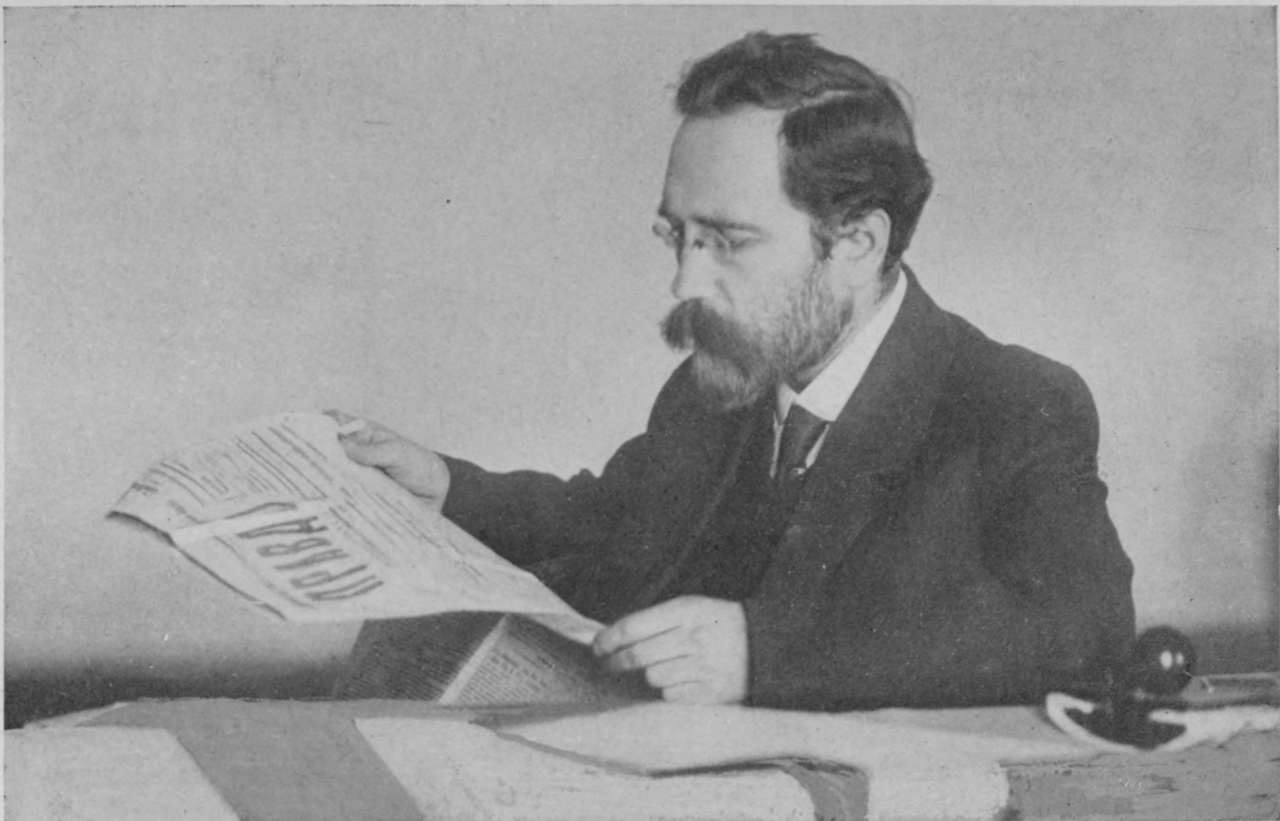
Lev Borisovich Kamenev (born Lev Borisovich Rozenfeld, also cited as Leo Rosenfeld; 18 July 1883 – 25 August 1936) was a leading Bolshevik revolutionary and Soviet politician. He belonged to the circle of early Marxist activists who overthrew the Tsarist regime and took part in the political life of the Soviet state during the 1910s and 1920s. Kamenev's career moved from underground agitation and exile to senior party posts; he later fell victim to intra‑party struggles and the Stalinist purges.
Image gallery
10 Images





Early life and political formation
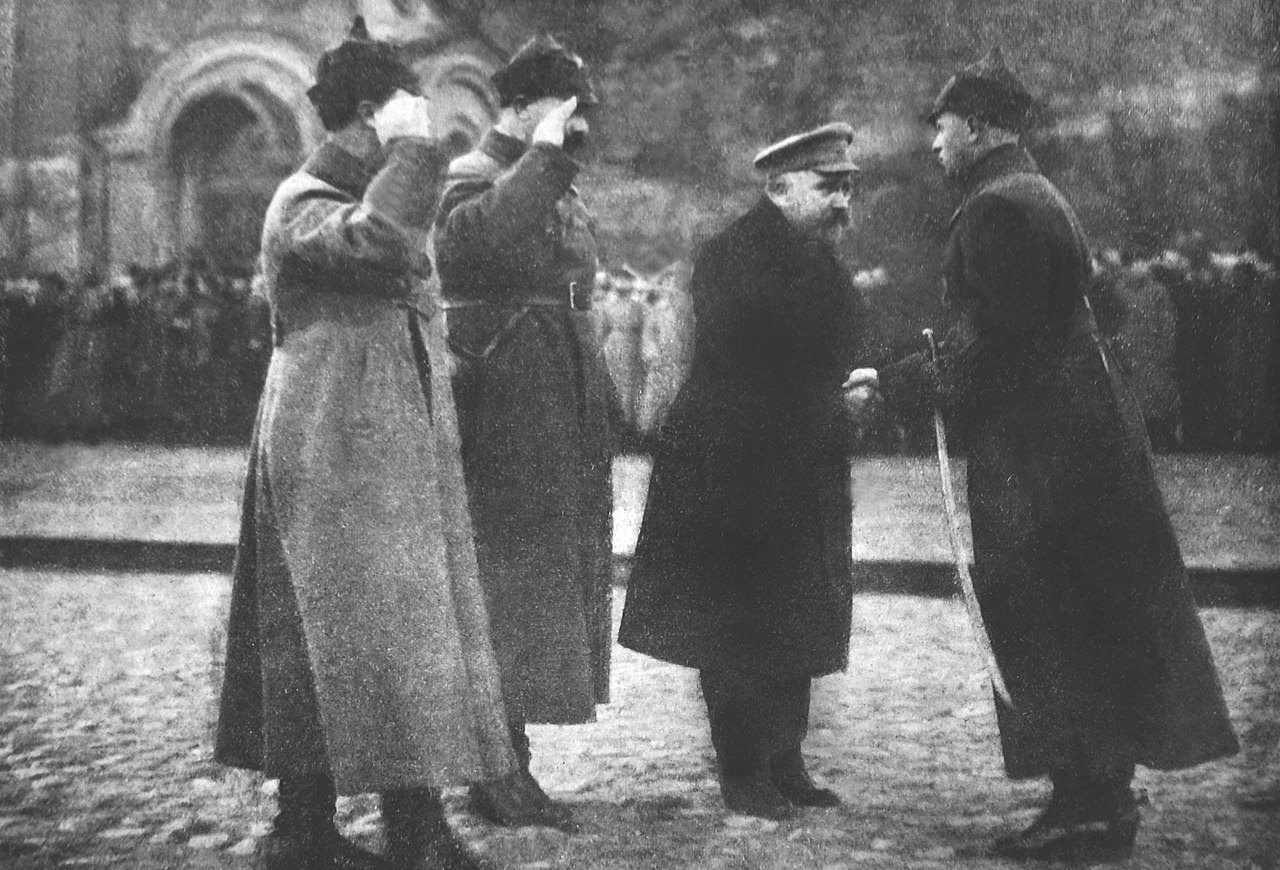
Born in Moscow to a Jewish family, Kamenev studied and radicalized as a young man in the pre‑revolutionary period. He adopted the name Kamenev as a revolutionary pseudonym. Like many Marxists of his generation, he was active in the Russian Social Democratic Labour Party, endured arrests and exile, and returned to prominence during the revolutionary upheavals of 1917. His long engagement with party politics and organizational work made him a familiar figure among Bolshevik leaders.
Role in 1917 and the early Soviet state
During 1917 Kamenev held important positions in the Bolshevik apparatus and the soviet system. He served as a leading representative of the Moscow Soviet and was a member of the party's central bodies. Notably, Kamenev publicly disagreed with Lenin on the timing of the October uprising, opposing an immediate armed insurrection; nevertheless, once the Bolshevik leadership decided on action he accepted the collective decision and took part in the new regime. In the years after the Revolution he occupied senior party and governmental roles and was a member of the Politburo.
Power struggles and fall from influence
In the factional disputes that followed Lenin's illness and death, Kamenev initially allied with Grigory Zinoviev and Joseph Stalin against Leon Trotsky. That alliance later broke down: by the mid‑1920s Kamenev opposed Stalin's policies and lost influence. He was removed from top posts, expelled from the Communist Party during the crisis episodes of the late 1920s, briefly readmitted after public recantation, but never recovered his former standing.
Trial, execution, and legacy
Kamenev was arrested in the mid‑1930s during the Great Purge. In August 1936 he was a defendant in the first of the Moscow show trials, where several former party leaders were accused of conspiring against the Soviet state. Found guilty by the tribunal, he was executed on 25 August 1936. Historians view his trial as part of a wider campaign by Stalin to eliminate rivals and to rewrite the revolutionary past. Debates about Kamenev's motives and choices—his early opposition to the October insurrection, his role in the 1920s alliances, and his confessions under duress—remain subjects of scholarly study.
Further reading
Related articles
Author
AlegsaOnline.com Lev Kamenev Leandro Alegsa
URL: https://en.alegsaonline.com/art/124323