
Laura Cardoso
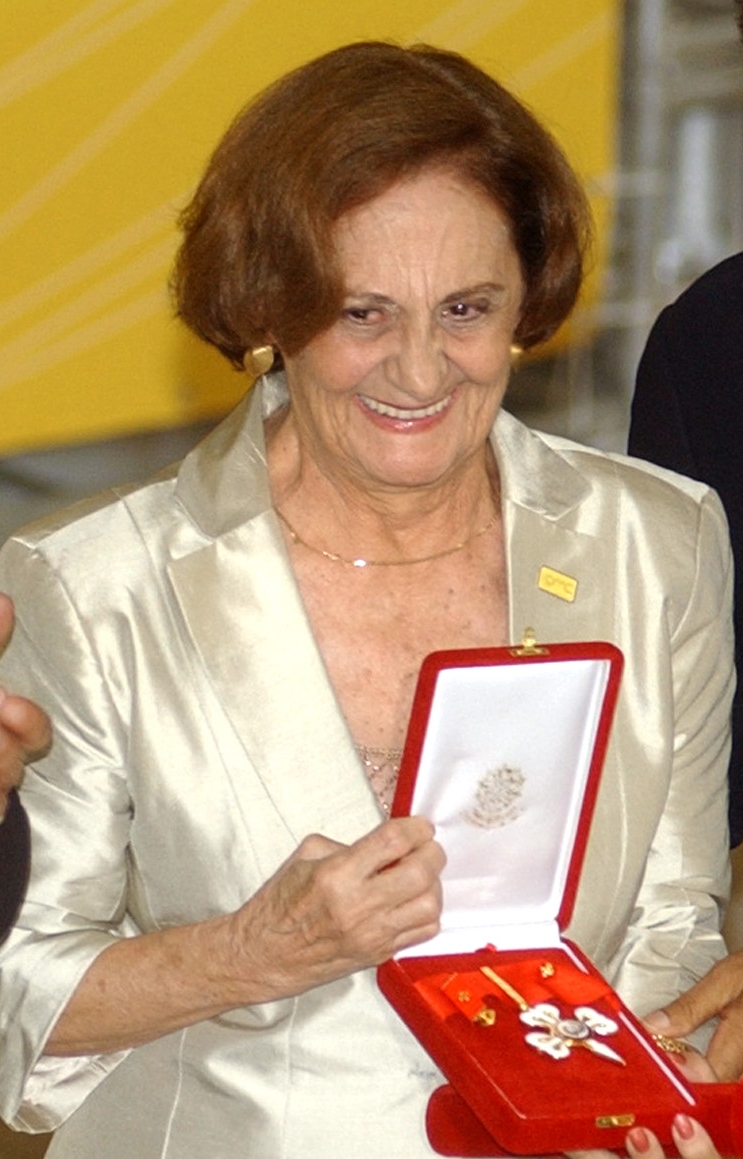
Laura Cardoso (born Laurinda de Jesus Cardoso Baleroni, 1927) is a Brazilian actress and pioneer of television whose career in teleteatros, series and telenovelas began in the 1950s.
Overview
Laura Cardoso, born Laurinda de Jesus Cardoso Baleroni on 13 September 1927, is a noted Brazilian actress. She was born in São Paulo and became widely known as a television performer during the medium's early years in Brazil. Her professional name, Laura Cardoso, has been associated with long-term contributions to serialized drama and televised theatre.
Image gallery
2 Images
Career and roles
Cardoso was a pioneer of Brazilian television, beginning work in the 1950s on the pioneering but now defunct TV Tupi station. Over the decades she appeared in teleteatros, anthology series and more than fifty telenovelas, working across a wide range of character types and production styles. Her longevity made her a familiar presence to multiple generations of viewers and practitioners.
Development and context
The period when Cardoso started acting coincided with the formative years of televised drama in Brazil. Early TV required performers who could adapt stage techniques to the demands of live or quickly produced programs. Cardoso's body of work reflects that transition from teleteatro (televised plays) and live broadcasts to the longer-run, heavily produced telenovela format that became central to Brazilian television culture.
Personal life
Her full name indicates her family background; she was married to Fernando Baleroni, a creative professional described as a writer, director and producer. Cardoso is the widow of Baleroni (see note) and the couple had two daughters, Fátima and Fernanda. Like many veteran performers, she balanced a public career with private family commitments.
Legacy and significance
Laura Cardoso is widely regarded as an important figure in the history of Brazilian television for both her adaptability and her persistence in a changing industry. Her work helped shape the conventions of televised drama in Brazil and provided a model of professional continuity as the medium matured from the 1950s onward.
Notable characteristics
- Early involvement with pioneering broadcasters and live teleteatro formats.
- Long career spanning multiple decades and styles, including serialized telenovelas.
- Recognition as a familiar and respected performer among Brazilian audiences.
- Personal ties to other creative professionals in television and theatre.
For further contextual or bibliographic references, consult archival materials on early Brazilian television history and retrospectives of telenovela development. Specific program titles and awards are recorded in media archives and profiles that document individual episodes of Cardoso's extensive career.
Related articles
Author
AlegsaOnline.com Laura Cardoso Leandro Alegsa
URL: https://en.alegsaonline.com/art/124056
Sources
- rottentomatoes.com : "Laura Cardoso Biography"