
Lars Ulrich: Metallica's Drummer and Co-Founder
Danish-born drummer and songwriter Lars Ulrich co-founded Metallica, helped shape thrash metal, and played a central role in the Napster controversy; active from the early 1980s to present.
Overview
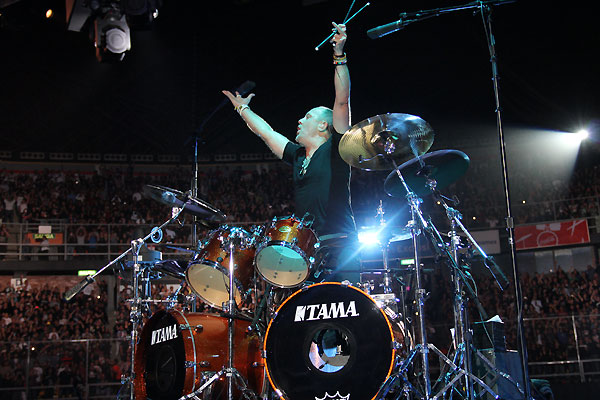
Lars Ulrich is a Danish musician best known as the founding drummer and a primary songwriter for the American heavy metal band Metallica. Born on 26 December 1963, he moved from Denmark to Los Angeles as a young man and helped create one of the most commercially successful and influential metal acts of the late 20th century. Ulrich's role combined musicianship, songwriting and key business decisions for the band.
Image gallery
10 Images




Early life and formation of Metallica
Ulrich became involved in the local music scene after relocating to Southern California. He placed an advertisement seeking musicians and soon partnered with guitarist and vocalist James Hetfield to launch a new band. The project developed into Metallica, whose early records established the group's reputation in the burgeoning thrash metal movement. Ulrich's drive and organizational role were as important as his work behind the drum kit in shaping the group's direction.
Musical style and contributions
As a drummer Ulrich is noted for his emphasis on tempo, arrangement and the aggressive rhythmic foundation that characterizes much of Metallica's sound. He contributed to songwriting across multiple albums and eras, helping craft songs that balance technical intensity with strong hooks. Over decades he has worked with producers and bandmates to evolve the band's approach while maintaining the core elements that defined their early records.
Notable recordings and appearances
- Key early albums and milestones that helped define Metallica's career, often cited by fans and critics.
- Documentaries and film cameos — Ulrich appears prominently in the band's documentary Some Kind of Monster and in the feature film Get Him to the Greek, alongside actors such as Russell Brand.
- Further mentions and credits are indexed in various music and film references (band pages, archival sources).
Napster controversy and industry impact
In the early 2000s Ulrich was the public face of Metallica's campaign against the peer-to-peer service Napster, asserting unauthorized distribution of the band's recordings. That dispute brought attention to artist rights, digital distribution and how the music industry would respond to internet file sharing. The episode remains a frequently discussed moment in debates over copyright, compensation and evolving business models for recorded music.
Legacy and notable facts
Ulrich's career spans performing, songwriting and high-profile advocacy about music ownership. He is frequently cited in accounts of heavy metal's growth and in histories of the music business's adaptation to new technology. For further context about the band's cultural footprints and related works, see references to the spin-off projects and original films such as Forgetting Sarah Marshall, or consult archived interviews and biographical summaries (genre histories, band resources, Los Angeles music scene material).
The following resources provide additional starting points: historical interviews, album listings and filmographies are available through music archives and dedicated biographies (biographical entries, musician profiles, band histories).
Related articles
Author
AlegsaOnline.com Lars Ulrich: Metallica's Drummer and Co-Founder Leandro Alegsa
URL: https://en.alegsaonline.com/art/124041