
Larry Semon: Silent-era Comedian, Filmmaker, and Early Collaborator of Laurel and Hardy
Larry Semon (1889–1928) was an American silent-film comedian, director, producer and writer known for large-scale slapstick, lavish gags, and early work with Stan Laurel and Oliver Hardy.
Overview
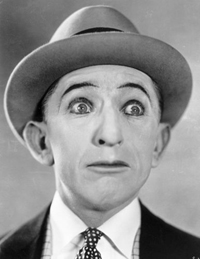
Lawrence "Larry" Semon (February 9, 1889 – October 8, 1928) was an influential figure of silent cinema who worked as an actor, director, producer and screenwriter. He became prominent in the 1910s and 1920s for broad, physical comedy performed during the silent era.
Image gallery
3 Images

Style and screen persona
Semon favored energetic, spectacle-driven slapstick: elaborate chase sequences, mechanical contraptions, explosive visual gags and rapid sight jokes designed for mass appeal. His films often used big sets and expensive effects to stage comic chaos, a contrast with the smaller-scale routines of some contemporaries. He relied on timing, pratfalls and frequently pantomimed expression rather than spoken intertitles.
Career and productions
Beginning in variety and moving into motion pictures, Semon directed and starred in a long series of shorts and several feature-length comedies. He worked within the studio system of the time and sometimes financed ambitious projects through his own studio-backed productions. While visually inventive, a number of his larger films exceeded budgets and produced mixed commercial returns.
Collaborations and notable associates
Semon employed a stable of supporting players and occasionally gave screen time to other rising talents. He is particularly remembered for early screen collaborations with future stars: he worked with Stan Laurel and with Oliver Hardy before they formed their famous team. In his day he was regarded as a major comedian of the movie screen and a familiar presence to theatre audiences.
Legacy and preservation
Semon's reputation declined after a string of expensive failures and personal difficulties in the mid-1920s, and he died in 1928 at age 39. Film historians now view him as a transitional figure whose appetite for large-scale visual invention influenced slapstick cinema even as many of his works fell into obscurity. Several Semon shorts survive in archives and are studied for their staging, choreography and early crowd-pleasing spectacle.
Notable facts
- He balanced multiple creative roles—performer and filmmaker—uncommon for many comic actors of his era.
- His ambition for big gags sometimes led to financial overreach and uneven box office results.
- Although less well known today, his collaborations helped bring later comedy stars to public attention.
Related articles
Author
AlegsaOnline.com Larry Semon: Silent-era Comedian, Filmmaker, and Early Collaborator of Laurel and Hardy Leandro Alegsa
URL: https://en.alegsaonline.com/art/124024
Sources
- search.ancestry.com : World War I Draft Registration Card