
Léon Theremin (Lev Termen): inventor of the theremin
Russian inventor Léon Theremin (Lev Termen) created the theremin, an early electronic instrument. This article outlines his life, the instrument's design, cultural impact, and notable projects.
Overview
Léon Theremin (born Lev Sergeyevich Termen; Лев Сергеевич Термен, 1896–1993) was a Russian inventor best known for creating one of the first fully electronic musical instruments. Working in the early 20th century, Theremin combined physics, music and engineering to produce a novel device that could be played without physical contact, attracting attention from both concert audiences and later film and popular music producers. He traveled and worked internationally before returning to the Soviet Union in the late 1930s.
Image gallery
4 Images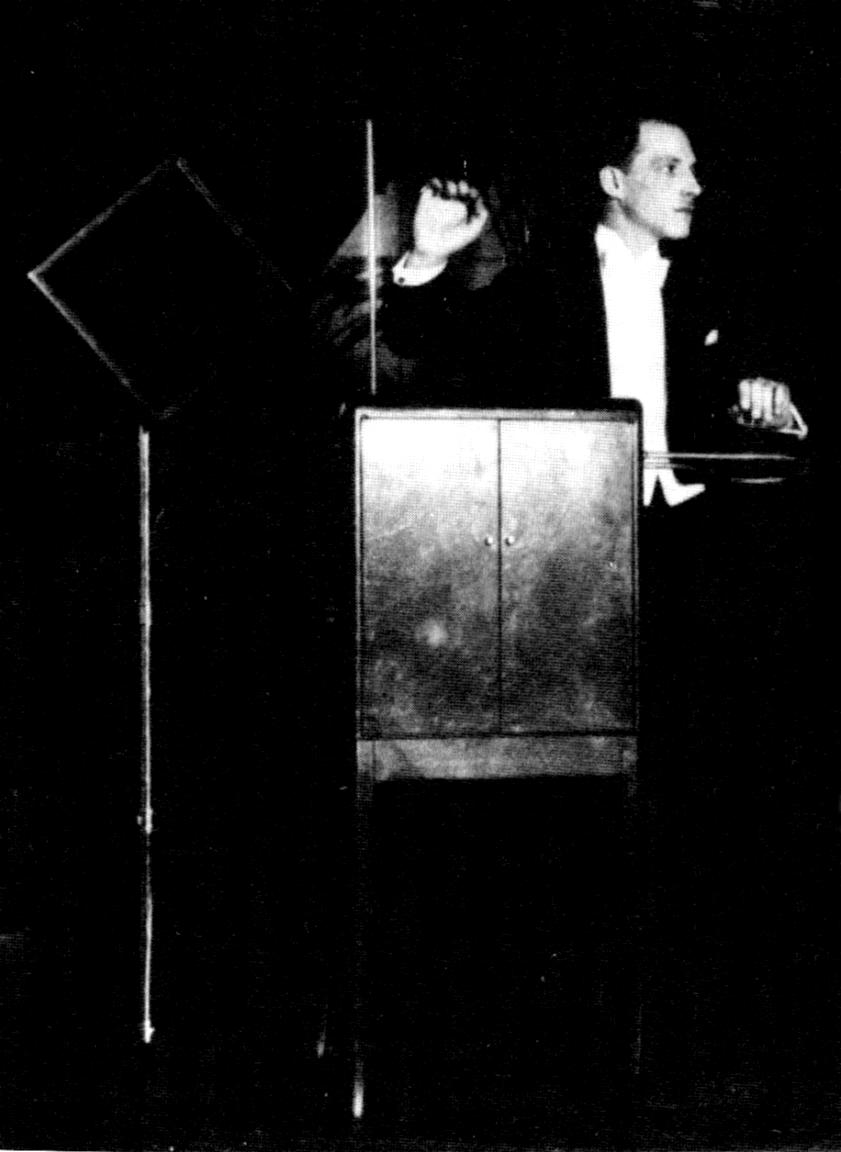

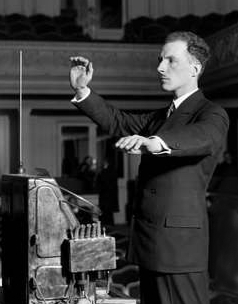

Design and characteristics
The instrument that bears his name is commonly called the theremin (or thereminvox). It is notable for its unusual control method and simple architecture. Players manipulate pitch and volume by moving their hands near two metal antennas: one vertical rod controls pitch, and a loop or horizontal antenna controls volume. Sound is generated by heterodyne oscillators and amplified to produce a continuous, monophonic tone.
- Touchless control: hand proximity changes oscillator frequencies.
- Continuous pitch: gliding notes without fixed keys or frets.
- Expressive vibrato and portamento achievable by subtle hand motion.
- Simple electronics: oscillators, mixer, amplifier and speaker.
Career and historical development
Theremin developed the instrument in the early 1920s and demonstrated it in Europe and the United States during the late 1920s. He secured rights and patents abroad and established studios where audiences could hear public recitals. After a period in the United States, he returned to his native country; accounts say that his later work included research for Soviet laboratories and, reportedly, devices intended for surveillance and intelligence applications.
Uses, influence and examples
The theremin found a curious place in 20th-century culture. Its eerie, human-like timbre made it a favorite for film scores in the 1940s and 1950s, especially in science-fiction and horror genres. Classical virtuosos such as Clara Rockmore helped establish performance technique, while later generations of electronic musicians and inventors—among them pioneers who built early synthesizers—credited the instrument as an inspiration.
- Film and media: atmospheric effects in mid-century cinema.
- Concert performance: solo repertoire developed by early virtuosi.
- Electronic music: an influence on later synthesizer designers and players.
Notable facts and legacy
Theremin's life bridged art, science and geopolitics. His name is linked both to musical innovation and to technological projects beyond performance instruments. Biographies and technical histories continue to explore his inventions and the complex circumstances of his career. Modern interest in the theremin persists in academic study, experimental music, and hobbyist electronics, ensuring that Theremin's contribution to electronic sound remains widely recognized.
For further reading on his biography and the instrument's mechanics, see resources linked here: biography, technical overview, and historical summaries at instrument history and Saint Petersburg archives.
Questions and answers
Q: Who was Léon Theremin?
A: Léon Theremin was a Russian inventor famous for his invention of the theremin, one of the first electronic musical instruments.
Q: What was the theremin?
A: The theremin was one of the first electronic musical instruments invented by Léon Theremin.
Q: When was Léon Theremin born?
A: Léon Theremin was born on August 15, 1896.
Q: Where was Léon Theremin born?
A: Léon Theremin was born in Saint Petersburg, Russia, which was called Leningrad from 1924 until 1991.
Q: What is the original name of Léon Theremin?
A: The original name of Léon Theremin was Lev Sergeyevich Termen.
Q: What was the ethnicity of Léon Theremin's family?
A: Léon Theremin's family had French ancestry.
Q: When did Léon Theremin die?
A: Léon Theremin died on November 3, 1993.
Related articles
Author
AlegsaOnline.com Léon Theremin (Lev Termen): inventor of the theremin Leandro Alegsa
URL: https://en.alegsaonline.com/art/123945
Sources
- leonardo.info : "Special Section: Leon Theremin, Pioneer of Electronic Art"
- leonardo.info : LMJ6
- oddmusic.com : "An Interview with Leon Theremin / Olivia Mattis and Leon Theremin in Bourges, France"
- thereminvox.com : here