
Kaspar Hauser: the 19th‑century German foundling and enduring mystery
Kaspar Hauser was a youth who appeared in Nuremberg in 1828 with an unclear past. His story—claims of prolonged isolation, disputed noble origins, a mysterious death, and cultural impact—remains widely discussed.
Kaspar Hauser (born probably 30 April 1812) became one of 19th‑century Europe's best‑known enigmas. He surfaced in a German town claiming no family and an unusual upbringing, and he died under suspicious circumstances on 17 December 1833. His case—first publicized after he was found in the street—has attracted historians, physicians and artists alike.
Image gallery
8 Images
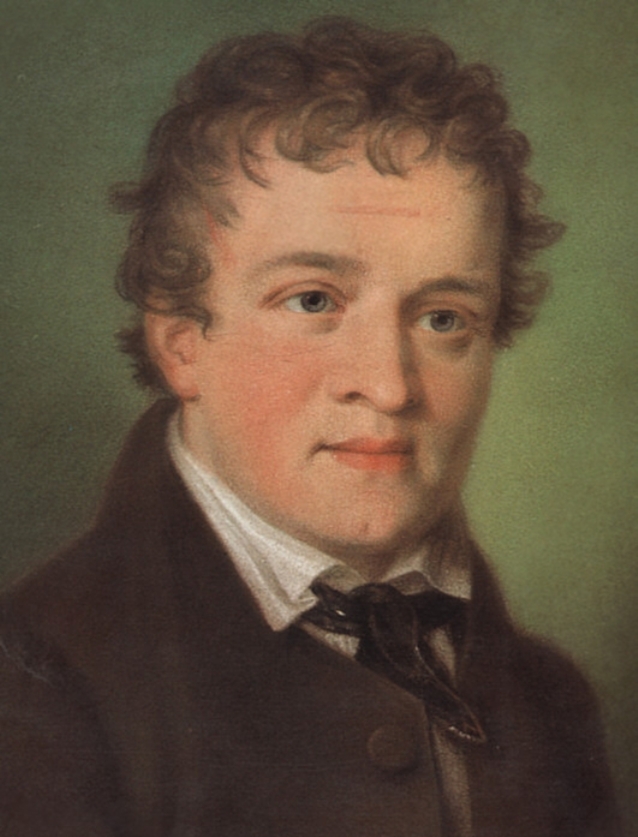
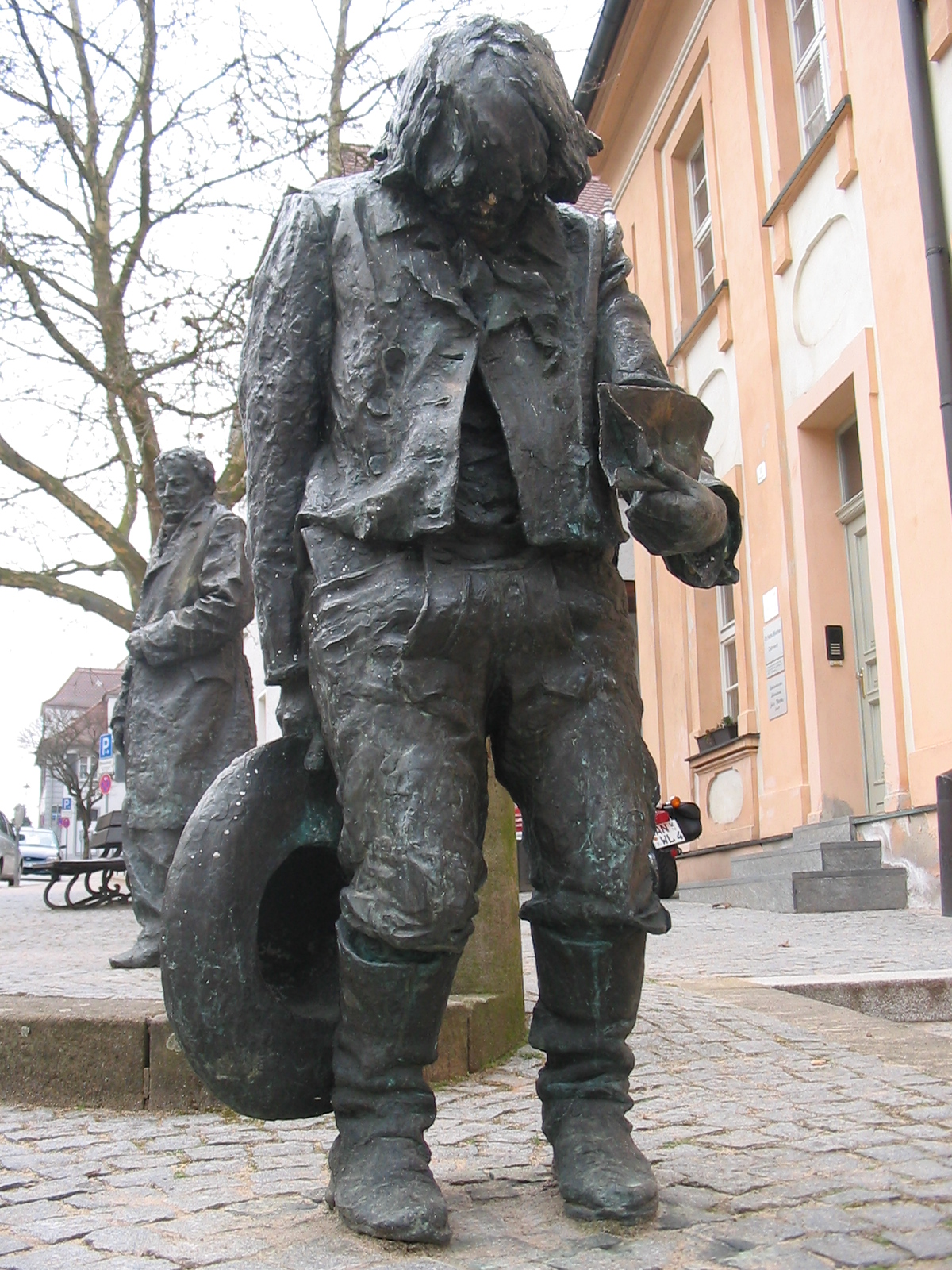


Early condition and claims
When Hauser first appeared in 1828 he could not speak and showed little knowledge of ordinary social life. He later said that he had been confined and that contact with other people was severely limited during his childhood. Over months he learned to speak and write, and observers recorded a mixture of childlike behaviour and unexpected literacy for someone who claimed isolation.
Investigation and public reaction
His strange origin provoked intense interest. Local authorities, charitable households and curious city residents took part in his care and questioning. Numerous theories emerged: some suggested he might be of princely descent; others thought he was an impostor or a victim of criminal exploitation. Debates around his case fed broader 19th‑century discussions about education, identity and the effects of social deprivation.
Death and forensic debate
In 1833 Hauser sustained a stab wound and later died, a conclusion that deepened suspicions of foul play. Official inquiries, newspaper reports and private testimony left many unanswered questions about motive and perpetrator. Later examinations and limited genetic testing have not produced a single accepted solution, and scholars describe the evidence as inconclusive.
Legacy and cultural significance
Kaspar Hauser’s story influenced literature, art and scholarship. Writers and thinkers used him as a symbol in discussions of nature versus nurture and of what makes a person socialized. He appears in novels, plays and films—most famously in Werner Herzog’s 1974 film—and remains a reference point for cases of feral or isolated children.
Notable facts
- Hauser’s appearance in public occurred in 1828 in Nuremberg; contemporary notices and later biographies keep the event alive in research (original reports).
- He lived in what is now modern Germany, but his precise origins were never established.
- His life raises persistent questions about identity, state responsibility, and historical evidence that resist simple resolution.
Because documentation is partial and some witnesses contradicted one another, Kaspar Hauser remains both a historical person and a cultural legend: a case studied by historians, doctors and artists who continue to reassess the available records and the social meanings attached to his life.
Related articles
Author
AlegsaOnline.com Kaspar Hauser: the 19th‑century German foundling and enduring mystery Leandro Alegsa
URL: https://en.alegsaonline.com/art/123353