
Kasturba Gandhi (1869–1944), Indian political activist and partner in the independence movement
Kasturba Gandhi, wife of Mohandas K. Gandhi, was an Indian political activist who took part in satyagraha campaigns, led women's protests and shared imprisonment during the struggle against British rule.

Kasturbai Makhanji Kapadia, widely known as Kasturba Gandhi (11 April 1869 – 22 February 1944), was an Indian political activist and the lifelong companion of Mohandas Karamchand Gandhi. She took part in many of the civil-resistance campaigns associated with the Indian independence movement and endured repeated detentions while living under British-ruled India. Over decades she moved from the private role of a wife and mother to a public figure who organized women and supported grassroots social reforms.
Image gallery
10 Images
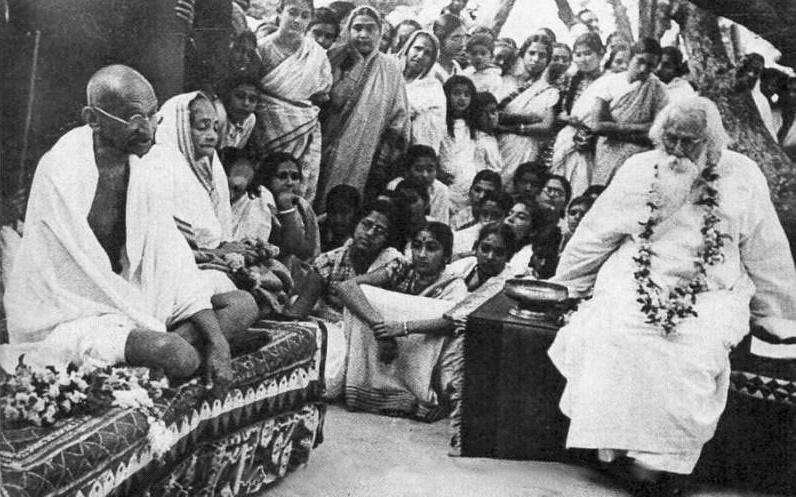


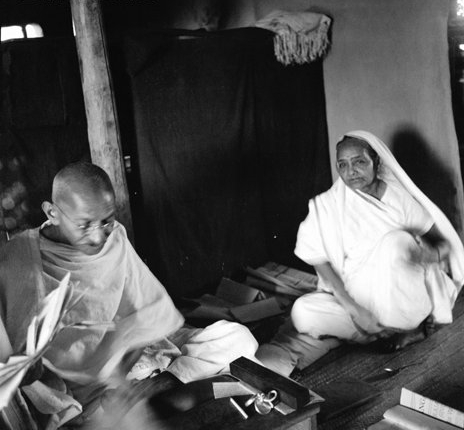

Early life and marriage
Kasturba was born into a Gujarati mercantile family and entered an arranged marriage with Mohandas Gandhi while still a teenager. The couple moved between India and South Africa as Gandhi developed his political ideas; Kasturba’s responsibilities included caring for their children and managing household and community affairs. Her early years were shaped by traditional duties, but they also exposed her to the social challenges that later informed her activism.
Political activity and leadership
As Gandhi’s public work expanded, Kasturba became active in several campaigns. She led and inspired women’s participation in nonviolent protests, helped organize community projects in ashrams and urban neighborhoods, and worked on causes such as education, sanitation and relief for the poor. Her public profile rose particularly when she led women in boycotts and marches, demonstrating that political resistance in that period involved entire families and communities.
Imprisonment, later years and death
Kasturba was arrested multiple times for her involvement in civil-disobedience actions and spent long periods confined with her husband. During the mass arrests following the Quit India movement in 1942 she was detained at the Aga Khan Palace and remained there under supervision until her death in 1944. Her declining health and eventual passing in detention made her a symbol of sacrifice for many supporters of independence.
Legacy and significance
- She is remembered as a bridge between domestic responsibilities and public political life, showing how women became active agents in national movements.
- Kasturba’s leadership encouraged other women to claim public roles in protest, relief work and social reform.
- Institutions, memorials and historical studies often invoke her life when discussing gender, family and politics in the independence era.
Today Kasturba Gandhi is regarded not merely as the spouse of a famous leader but as a committed activist in her own right. Her life illustrates how ordinary social roles intersected with larger political struggles, and how participation by women shaped the character and reach of India's nonviolent campaigns.
For related topics see biographies of her contemporaries and studies of household mobilization during national movements; key connections include links to Mohandas K. Gandhi, the broader Indian independence movement and the historical context of British-ruled India.
Related articles
Author
AlegsaOnline.com Kasturba Gandhi (1869–1944), Indian political activist and partner in the independence movement Leandro Alegsa
URL: https://en.alegsaonline.com/art/123356
Sources
- orissa.gov.in : "From Satya to Sadbhavna"