
Katarina Witt: Life, Career, and Legacy of a Figure Skating Icon
Overview of Katarina Witt, East German-born figure skater, two-time Olympic champion, multiple world and European titles, her style, major competitions, and post-competitive career.
Katarina Witt (born 3 December 1965) is a retired German figure skater whose competitive success and theatrical presentation made her one of the sport's best-known personalities in the 1980s and 1990s. Representing East Germany, she captured Olympic gold in 1984 and 1988, won multiple World and European titles, and later returned to Olympic competition in 1994. Witt combined technical skill with distinctive artistry, helping to broaden public appreciation for figure skating as both sport and spectacle.
Image gallery
10 Images


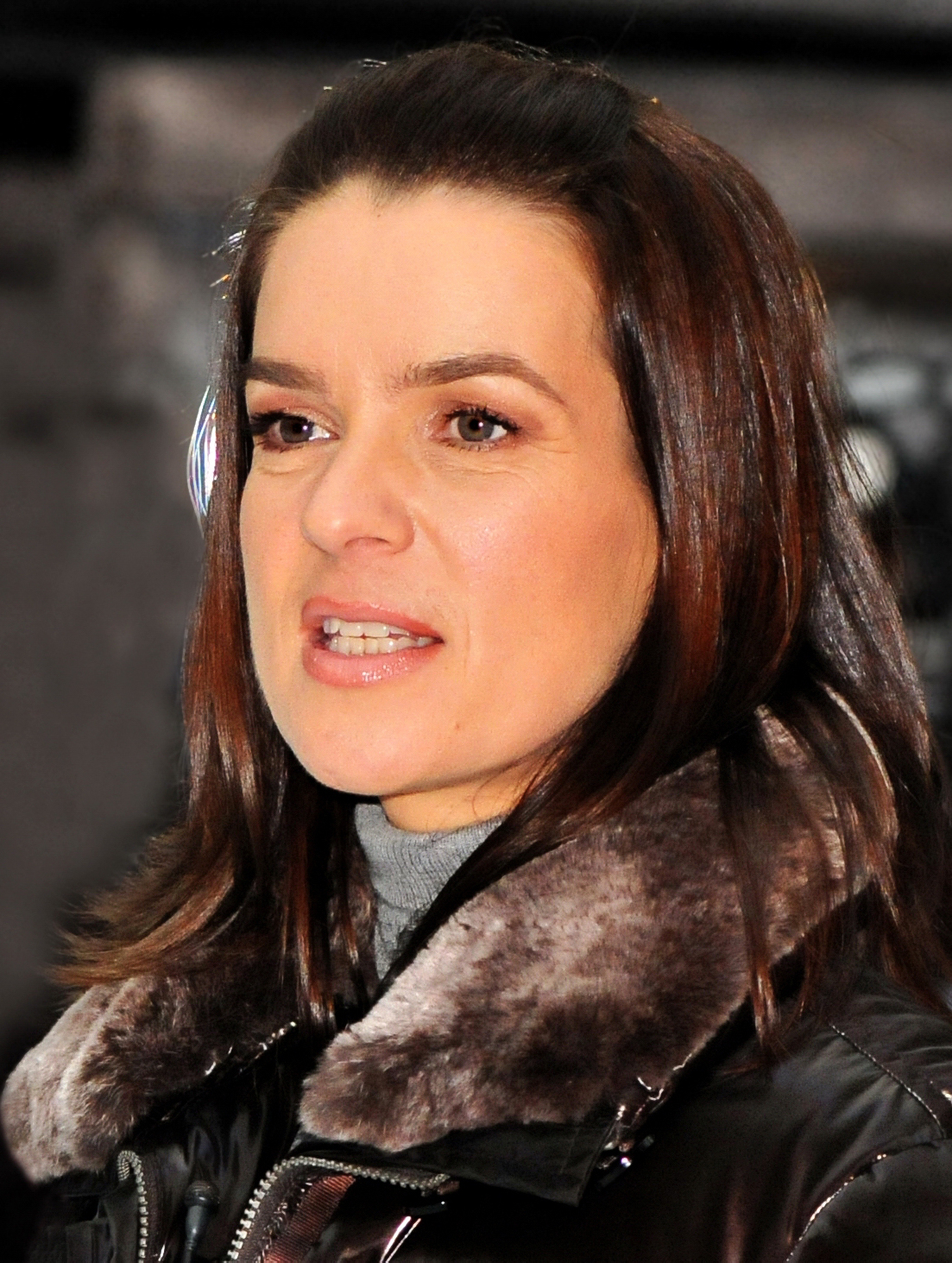


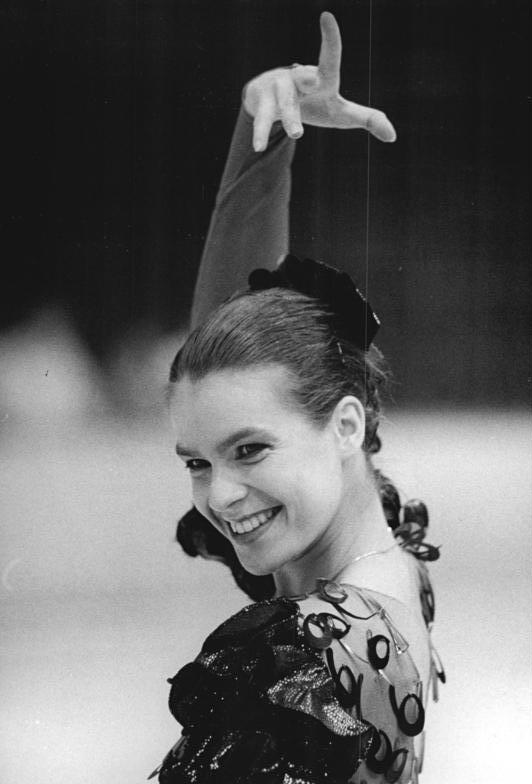

Early life and training
Witt began skating at age five in East Germany and entered a state-supported athletic training program designed to identify and develop talented youth. There she was coached by Jutta Müller, who guided her through junior ranks into senior international competition. Witt's early development was shaped by rigorous practice, disciplined preparation, and an emphasis on expressive choreography in addition to jumps and spins.
Competitive achievements
Over her amateur career Witt accumulated a string of high-level victories. Her major competitive highlights include Olympic gold medals in the 1984 Winter Games and the 1988 Winter Games, four World Championship titles and six European Championship titles. After several years skating professionally, she returned to contending at the 1994 Winter Olympics, finishing seventh. In recognition of her impact on the sport she was inducted into the World Figure Skating Hall of Fame in 1995.
Style, programs, and the "Battle of the Carmens"
Witt was known for programs that emphasized dramatic presentation, costume, and musical interpretation. One of the most talked-about episodes of her career was the rivalry with American skater Debi Thomas at the 1988 Olympics, when both competitors chose music from Bizet's opera Carmen. The media dubbed their duel the "Battle of the Carmens." Witt's performance that year was praised for theatrical poise and helped cement her reputation for blending athleticism with dance-like expression.
Later career and public life
Following her amateur retirement, Witt skated in professional tours and produced television specials and ice shows that reached wide audiences in Europe and beyond. She made occasional appearances as a television presenter and entertainer, and remained involved in skating through exhibitions, coaching consultations, and public events. Her visibility across the Cold War divide made her a cultural figure who remained prominent after German reunification.
Legacy and significance
- Competitive: Two Olympic golds, multiple world and continental titles underscore her success at the highest level.
- Artistic: She helped popularize program construction that highlighted character, costume, and narrative alongside technical elements.
- Cultural: As an East German athlete who became an international star, she illustrates how sport and media shaped public perceptions during the final decades of the Cold War.
- Influence: Later generations of skaters cite the importance of presentation and performance quality that skaters like Witt brought to the sport.
Further reading and resources
For more details on competitive results, career retrospectives, and multimedia archives, see profiles and documentary resources at major sport and Olympic history outlets and dedicated skating organizations. Selected resources include sport federation pages and historical overviews of Olympic figure skating available online at national and international repositories: figure skating resources, event pages for the 1984 Games (1984 Winter Games) and 1988 Games (1988 Winter Games), and official records for the 1994 Games (1994 Winter Games).
Katarina Witt remains a widely recognized name in figure skating history, noted both for her medal record and for a style that emphasized theatricality and audience connection. Her career is often discussed in studies of athletic performance, sports culture, and the evolution of women’s figure skating.
Related articles
Author
AlegsaOnline.com Katarina Witt: Life, Career, and Legacy of a Figure Skating Icon Leandro Alegsa
URL: https://en.alegsaonline.com/art/123359
Sources
- olympic.org : "Katarina Witt - Figure Skating"
- olympic.org : "Katarina WITT - Olympic Figure skating - Germany"
- olympic.org : "Figure Skating - Witt and charm prevail on the ice"