
Karl-Theodor zu Guttenberg: German politician, minister, and controversy
Biography of Karl-Theodor zu Guttenberg, German politician born in Munich in 1971; ministerial roles, plagiarism controversy and resignation, later career and notable facts.
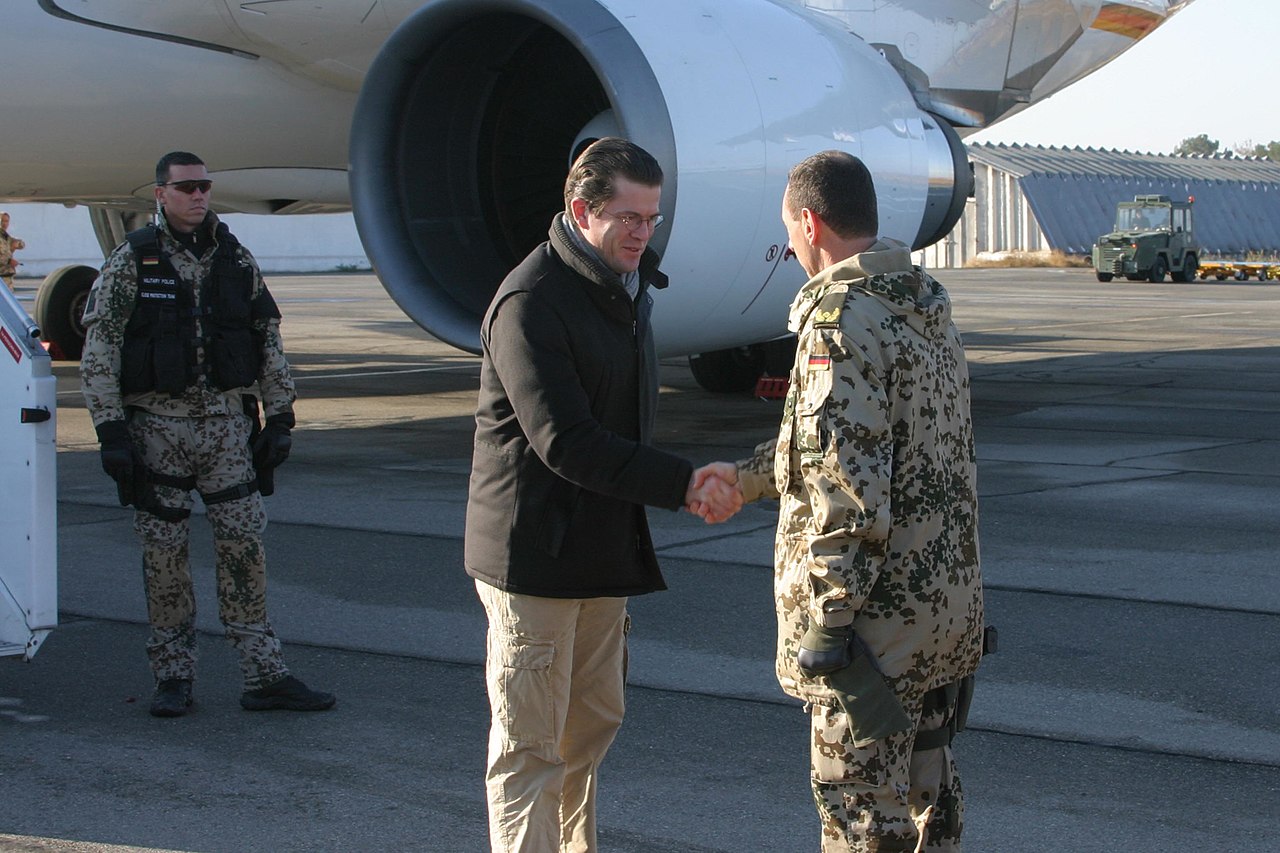
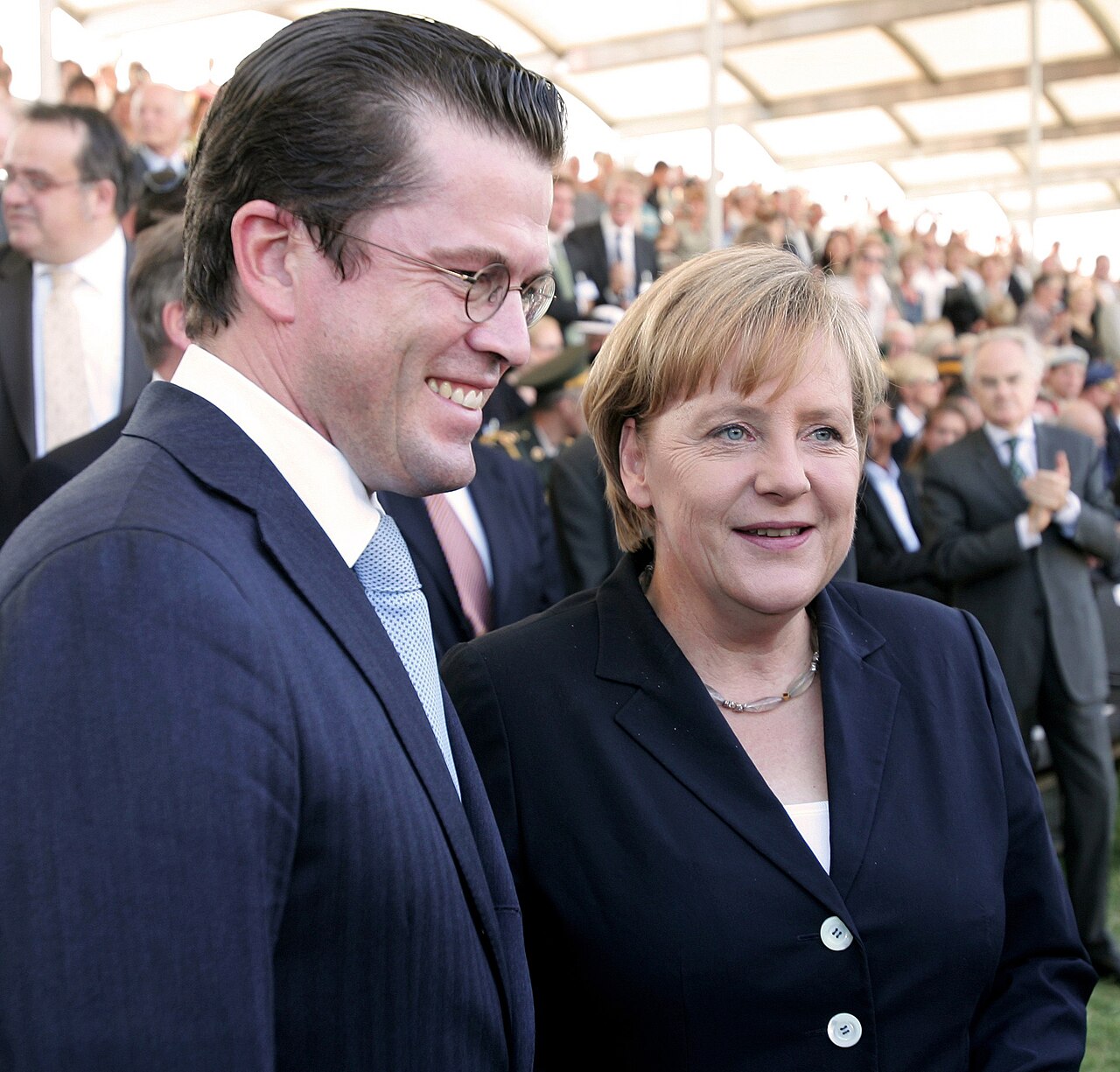
Karl-Theodor zu Guttenberg (born 5 December 1971 in Munich, Bavaria) is a German figure who rose rapidly in national politics before leaving public office amid an academic plagiarism scandal. A member of the conservative political tradition, he served in the federal cabinet and attracted considerable public attention for his communication style and popularity. His career illustrates both the speed with which political reputations can be made and the risks that arise when questions about integrity emerge.
Image gallery
7 Images




Early life and education
Guttenberg comes from a noble Bavarian family. He studied law and political science at German universities and completed a doctoral dissertation that later became the focus of intense scrutiny. His early professional work included roles in business and advisory positions, which complemented his move into regional and then national politics. He married Stephanie zu Guttenberg, who is publicly known for her involvement in social causes and who is linked by family ties to the historic Bismarck lineage; she is often mentioned alongside him in media profiles and public appearances (Stephanie zu Guttenberg).
Political career and cabinet posts
During the 2000s Guttenberg became an active member of his party and was elected to the Bundestag. In 2009 he entered the federal cabinet, first taking a leading economic portfolio before moving to the defence ministry later that year. On 28 October 2009 he assumed the office of Federal Minister of Defence and became a prominent voice on security and foreign-policy issues. His tenure was marked by strong public approval at times, and he was regarded as a charismatic communicator within his party and among parts of the electorate.
Key positions
- Member of the German Bundestag (national parliament)
- Federal Minister for Economics and Technology (2009)
- Federal Minister of Defence (from 28 October 2009)
Plagiarism controversy and resignation
In 2011 questions were raised about the originality of Guttenberg's doctoral dissertation. An investigation by his university concluded that passages in the thesis had been improperly copied from other authors without adequate citation. As a result, the university withdrew his doctoral degree, and Guttenberg announced his resignation from the defence ministry on 28 February 2011. He was formally discharged on 3 March 2011 and introduced his successor Dr Thomas de Maizière. He also resigned his seat in the Bundestag the same day. The episode generated extensive public debate in Germany about academic standards, accountability for public officials, and the role of media in uncovering misconduct.
Later activities and legacy
After leaving German politics Guttenberg pursued activities outside elected office, including work in the private sector and international consulting, public speaking, and occasional commentary on political affairs. The scandal that ended his ministerial career remains a frequent reference point in discussions about ethics in public life. Observers note both his earlier appeal as a rising political star and the lasting impact of the controversy on his reputation. For readers seeking further details about his life, career milestones and public statements, contemporary news archives and academic commentary provide ongoing coverage and analysis.
For more background on places and people connected to his biography see local and national profiles of Munich, institutions in Bavaria, information about his successor Dr Thomas de Maizière, and personal references to Stephanie zu Guttenberg and the Bismarck family.
Questions and answers
Q: Who is Karl-Theodor zu Guttenberg?
A: Karl-Theodor zu Guttenberg is a German politician who became Federal Minister for Economics and Technology in 2009 and Federal Minister for Defence later in the same year.
Q: When was Karl-Theodor zu Guttenberg born?
A: Karl-Theodor zu Guttenberg was born in Munich, Bavaria, on 5 December 1971.
Q: Why did Karl-Theodor zu Guttenberg resign as a minister?
A: Karl-Theodor zu Guttenberg resigned as a minister on 28 February 2011 after being found to have cheated during his time at university.
Q: What was Karl-Theodor zu Guttenberg's wife's family name?
A: Karl-Theodor zu Guttenberg's wife's family name is Bismarck.
Q: What was Karl-Theodor zu Guttenberg's position when he was accused of cheating?
A: Karl-Theodor zu Guttenberg was Federal Minister for Defence when he was accused of cheating.
Q: What happened after Karl-Theodor zu Guttenberg's resignation?
A: After Karl-Theodor zu Guttenberg's resignation, he was formally discharged as Minister of Defence on 3 March 2011, and his successor, Dr Thomas de Maizière, was introduced as the new minister. He resigned as a member of the Bundestag on the same day.
Q: How long did Karl-Theodor zu Guttenberg serve as a minister before his resignation?
A: Karl-Theodor zu Guttenberg served as a minister for approximately 16 months before his resignation.
Related articles
Author
AlegsaOnline.com Karl-Theodor zu Guttenberg: German politician, minister, and controversy Leandro Alegsa
URL: https://en.alegsaonline.com/art/123311
Sources
- www8.informatik.uni-erlangen.de : Entry
- www8.informatik.uni-erlangen.de : WW-Person