
Julio María Sanguinetti
Uruguayan politician, lawyer and journalist; two-term president (1985–1990, 1995–2000) who led the transition to civilian rule and influenced economic, institutional and human-rights debates.
Julio María Sanguinetti (born 6 January 1936 in Montevideo) is a Uruguayan statesman known for his work as a politician, lawyer and journalist. A leading figure of the Colorado Party, he served two non-consecutive terms as President of Uruguay (1985–1990 and 1995–2000) and is widely associated with the country’s return to democratic rule after an extended period of military government.
Image gallery
5 Images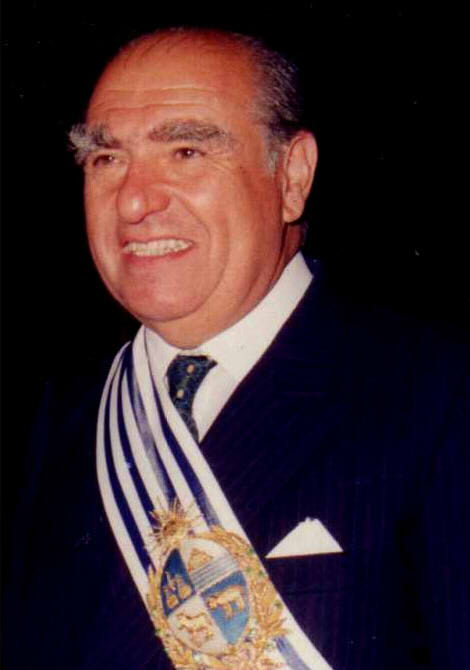


Early life and career
Sanguinetti trained in law and entered public life through journalism and party politics. His background in media and legal training informed his approach to public communication, constitutional matters and legislative work. Early in his career he wrote and edited for national publications and became a prominent voice within his party on issues of governance and civil liberties.
Presidential terms and main initiatives
As president following the end of military rule, Sanguinetti presided over the re-establishment of civilian institutions and democratic procedures. His administrations pursued policies aimed at stabilizing the economy, encouraging private investment and modernizing public administration. Key areas of focus included:
- Managing the transition from authoritarian to civilian government and reshaping civil–military relations.
- Implementing market-oriented reforms and measures intended to attract foreign and domestic investment.
- Engaging in regional diplomacy and strengthening Uruguay’s international ties.
- Contending with national debates on accountability for human-rights abuses committed during the dictatorship era, including legislative and public referenda on amnesty and judicial review.
Later life and political positions
After leaving the presidency Sanguinetti remained active as a public intellectual, publishing essays and participating in debates on constitutional and social questions. He has expressed support for civil-rights developments in Uruguay, including measures expanding legal recognition for same-sex couples and, more broadly, the legalization of same-sex marriage in the country. He has also been involved in dialogue on fiscal policy, institutional reform and regional cooperation.
Legacy and assessment
Sanguinetti is commonly credited with playing a central role in the consolidation of Uruguay’s democratic institutions and fostering a period of relative political stability. Assessments of his record note a balance between pragmatic economic reform and the contested handling of transitional justice questions. Scholars and commentators often regard him as a pivotal figure in late 20th-century Uruguayan politics whose influence continued through writings, speeches and participation in public life.
For further information on his career, writings and the broader historical context, consult contemporary biographies, collections of his speeches and analyses of Uruguay’s democratic transition. Additional sources in Spanish and English provide detailed accounts of the political debates in which he took part.
Related articles
Author
AlegsaOnline.com Julio María Sanguinetti Leandro Alegsa
URL: https://en.alegsaonline.com/art/123160