
Julian Assange: WikiLeaks founder, publisher, and legal controversies
Profile of Julian Assange, founder of WikiLeaks: background, technical work, major publications, asylum and arrest, extradition proceedings, health concerns, and debates about press freedom and national security.
Julian Paul Assange (born 3 July 1971) is an Australian-born computer programmer, publisher and public figure best known for founding WikiLeaks, an organization and website that publishes leaked documents and other confidential material. Assange has been a polarizing figure: praised by supporters for exposing wrongdoing and criticized by opponents who say uncontrolled disclosures harmed national security and endangered individuals. His career spans technical projects, high-profile disclosures and prolonged legal disputes.
Image gallery
10 Images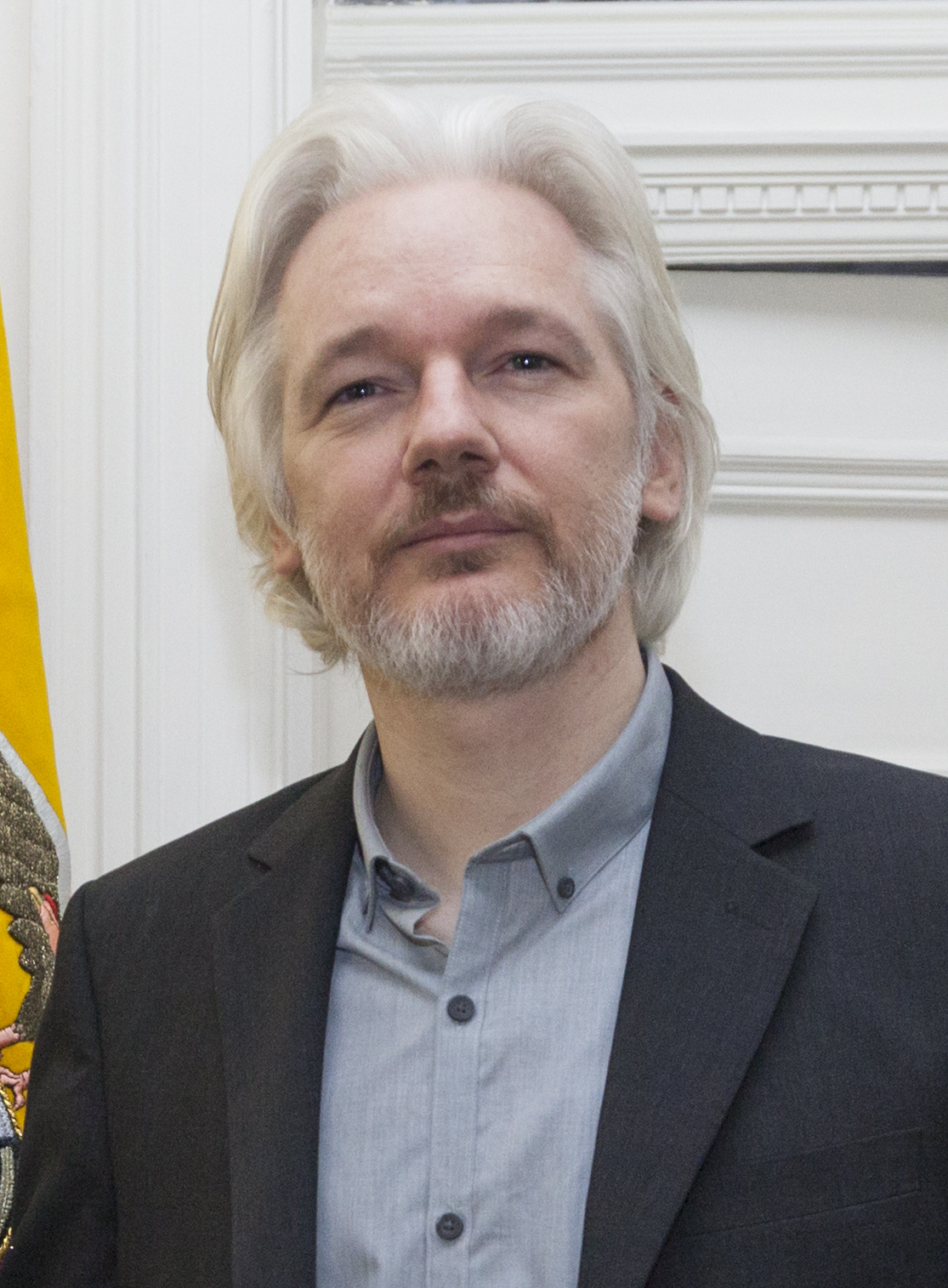


Early life and technical work
Assange was born in Townsville, in the state of Queensland, Australia. He developed technical skills in computing and information security and became known for work on tools and ideas intended to protect sources and sensitive data. One early project, often cited in accounts of his technical background, was a deniable encryption concept called Rubberhose designed to hide the existence of secret information and resist coercion. Those interests informed the design and operation of the platforms he later helped build.
Major publications and public impact
WikiLeaks, launched in 2006, published a series of high-profile leaks that brought global attention to the group and to Assange personally. Notable releases attributed to the site include diplomatic cables, military logs and classified material that prompted debate over government conduct, transparency and the public interest. The publication of such material intensified discussion about the role of new media in investigative reporting and about how democratic societies balance secrecy, accountability and national security. In 2010 Assange became the readers' choice in a Time online poll, an episode often cited to illustrate his visibility in global Internet discourse; the magazine's official Person of the Year that year was Mark Zuckerberg of Facebook.
Legal disputes, asylum and citizenship
From 2010 Assange faced allegations in Sweden and subsequent legal maneuvering related to possible extradition. In 2012, while facing the prospect of extradition and further proceedings, he sought and was granted political asylum by the government of Ecuador and took refuge in the Ecuadorian Embassy in London. During his years in the embassy he remained a prominent advocate for transparency and continued to communicate on behalf of WikiLeaks. In late 2017 Ecuador granted him citizenship, a development that added diplomatic complexity to his situation.
Withdrawal of asylum, arrest and extradition proceedings
Relations with Ecuador shifted under President Lenín Moreno, and in April 2019 Ecuador withdrew Assange's asylum. On 11 April 2019 he was arrested by the Metropolitan Police in London after the embassy's diplomatic protection ended. Authorities said arrests related to earlier warrants and to international requests. Following his arrest, legal teams prepared to contest extradition requests, notably from the United States, where prosecutors have pursued charges connected to WikiLeaks publications and related activities. A series of hearings in London addressed whether he should be extradited to face those charges, and the legal process has been complex, multi-jurisdictional and subject to appeals.
Health, public debate and significance
Reports from late 2019 and thereafter described concerns about Assange's physical and mental condition while in custody; supporters warned prolonged detention could worsen health problems and urged medical care. Other observers emphasise that legal accountability must be pursued through court processes. The Assange case has become a focal point for debates about press freedom, the protections afforded to journalists and publishers, the responsibilities of whistleblowers, and how governments should handle classified information in an era of rapid electronic dissemination.
Context and continuing issues
The legal and public controversies surrounding Assange touch on several broad themes: the evolving relationship between technology and journalism; the role of non‑traditional publishers in publishing classified material; international extradition and diplomatic practice; and the tension between transparency and national security. Different legal systems, media organisations and human rights groups continue to disagree about the appropriate treatment of those who publish or assist in publishing classified documents.
Key points
- Role: Founder and long-time public figure associated with WikiLeaks, which publishes leaked information supplied by sources.
- Background: Australian national and computer programmer with work in encryption and secure publishing; early projects such as Rubberhose are widely referenced in technical discussions.
- Major releases: Publications of diplomatic cables and military logs prompted global debate about government conduct and public interest journalism.
- Legal matters: Faced allegations in Sweden, sought and received asylum from Ecuador, remained in the Ecuadorian Embassy in London until 2019, and was arrested by the Metropolitan Police.
- Extradition and prosecutions: Authorities in the United States sought extradition related to publications; hearings and appeals have been part of a protracted legal process.
- Public debate: Supporters invoke press freedom and whistleblower protections; critics argue that indiscriminate release of classified material can cause harm.
- Health and welfare: Concerns about his medical and mental well-being, including reports referencing possible mental health issues, have been reported by observers and supporters.
- Recognition: In 2010 he was the Internet readers' choice in a Time online poll, reflecting his prominence in global digital discussion.
The situation around Julian Assange remains legally and politically contested. For further information, readers can consult court documents and reporting from established news organisations, and follow statements from involved governments and legal representatives. Topics such as extradition law and the international protection of sources remain central to ongoing coverage and analysis.
Related articles
Author
AlegsaOnline.com Julian Assange: WikiLeaks founder, publisher, and legal controversies Leandro Alegsa
URL: https://en.alegsaonline.com/art/123106
Sources
- time.com : "Mystery Hacker: Who Is WikiLeaks Founder Julian Assange? - TIME"
- newsfeed.time.com : "Julian Assange: Readers' Choice for TIME's Person of the Year 2010 - TIME NewsFeed"
- independent.co.uk : "Ecuador grants WikiLeaks founder Julian Assange citizenship"
- independent.co.uk : "Assange will be removed from London embassy 'eventually', Ecuador says"
- edition.cnn.com : "Julian Assange arrested in London: Live updates - CNN"
- msnbc.com : msnbc.com
- cnbc.com : Doctors say ailing Assange needs medical care in hospital
- theguardian.com : Julian Assange's health is so bad he 'could die in prison', say 60 doctors
- npr.org : npr.org/2020/02/24/808888527/julian-assange-extradition-hearing-begins-in-london.html