
Time's Person of the Year
Overview of Time magazine's annual Person of the Year: origin, selection principles, notable and controversial choices, historical significance, and variations since 1927.
Overview
Since 1927 the U.S. news magazine Time has marked one issue each year by identifying a "Person of the Year." The feature identifies the individual, group, idea, or object that, "for better or for worse," had the greatest influence on events during the calendar year. The designation is an editorial judgment about impact rather than a competitive prize: Time has stressed that the title is distinct from an award that honors merit or virtue. By design it may recognize leaders, movements, inventions, collectives, or even adversaries whose actions reshaped public life; at times the choice has intentionally signaled influence rather than approval, which explains why controversial figures or enemies of the United States have appeared on the cover (enemy).
Image gallery
10 Images




Origins and early history
The first recipient was aviator Charles Lindbergh, celebrated for his 1927 solo transatlantic flight. For many decades the issue bore the label "Man of the Year." In 1999 the magazine formally adopted the gender-neutral title "Person of the Year." Over time the scope broadened from individuals to include movements and collective entities: entire generations, technological innovations and important objects, or symbolic entries such as the Earth when environmental awareness dominated public discussion.
Selection principles and process
Time's editors pick a subject based on perceived influence on the year's events, with an emphasis on impact rather than ethical judgment. This is summarized by the phrase "for better or for worse." Editors consult reporters, historians, and contributors and often explain their reasoning in the accompanying issue and online essays. The magazine has also tracked the pattern that almost every sitting U.S. president has been chosen at least once; a note on that record is available in historical summaries (presidents list).
Notable selections
- Inaugural choice: Charles Lindbergh (1927).
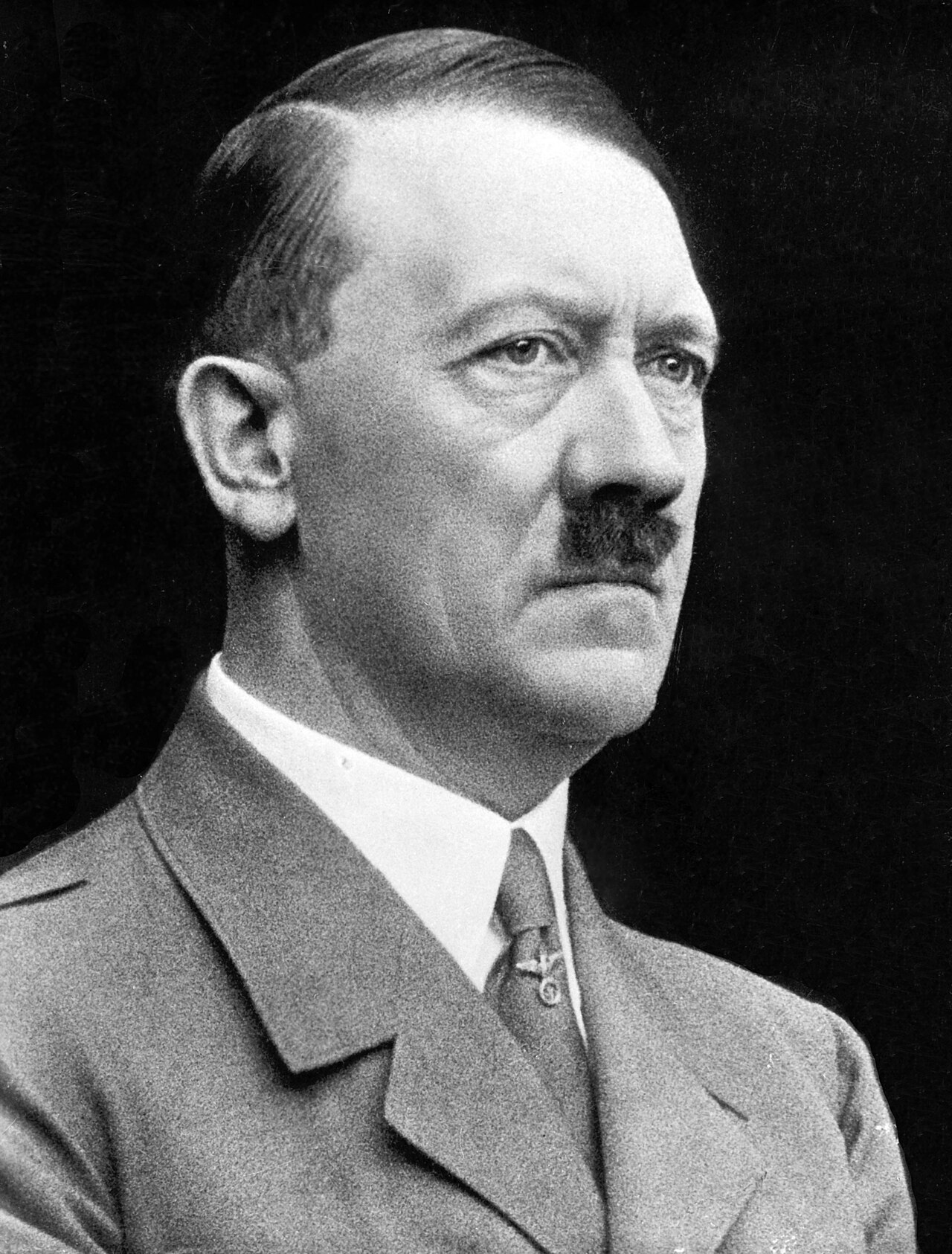
- Controversial leaders named for their outsized influence, such as Adolf Hitler (1938) and Joseph Stalin (1939 and 1942).
- Collective and symbolic entries: entire generations, important objects, and global concepts like the Earth when environmental issues dominated headlines.
- U.S. presidential exceptions: every serving president has been named at least once except for Calvin Coolidge, Herbert Hoover, and Gerald Ford.
- Franklin D. Roosevelt remains the only person named three times (F. D. Roosevelt).
Person of the Century and special editions
For the end of the 20th century Time produced a special issue naming a "Person of the Century." The editors chose Albert Einstein for his transformative contributions to science and public thought; runners-up included Franklin D. Roosevelt and Mahatma Gandhi. Special editions like this underscore the magazine's broader effort to interpret longer-term influence rather than awarding annual achievement alone.
Controversies and criticism
The selection often prompts debate. Critics argue the title can seem to glorify harmful actors or oversimplify complex historical developments. Supporters reply that the designation is descriptive and reflective: it highlights who or what shaped headlines and policy, regardless of moral valence. The decision has sparked public conversation about news priorities, editorial judgment, and the power of media framing.
Cultural and historical significance
Time's cover choice functions as both a record and a narrative device. As a compact cultural snapshot, the Person of the Year is used by students, commentators, and researchers to recall defining themes of a year. The issue often includes extended essays, timelines, and interviews that contextualize influence in political, technological, economic, or social terms. In classroom and archival settings the package is a frequent entry point for discussions about leadership, media, and memory.
How to explore further
Readers wishing to examine past covers, detailed editorials, or the magazine's methodology can consult Time's archives and related commentary. Time's official pages and feature essays offer searchable material and retrospectives for many selections (Time archive). For background on the editorial distinction between honorific awards and descriptive selections see explanatory pieces linked from the magazine (what it means), and for historical profiles of individual honorees refer to biographies and documentary coverage (Lindbergh bio, Roosevelt cover, Einstein retrospective). Additional perspectives on controversial choices and their implications appear in critical essays and scholarly articles (analysis of enemies, Hitler profile, Stalin profile).
Legacy
Over nearly a century the Person of the Year feature has remained one of Time's most recognizable annual pieces. It continues to evolve with media formats and public conversation while retaining the central editorial premise: to name the person, group, or idea that had the most influence on the year’s events. For readers interested in the magazine's broader historical record, specialized lists and presidential notes provide additional context (presidential notes, Coolidge, Hoover, Ford, Gandhi).
Questions and answers
Q: What is Person of the Year?
A: Person of the Year is an issue of the United States magazine Time that has come out each year since 1927. It recognizes a person, group, idea, or thing that "for better or for worse...has done the most to influence the events of the year".
Q: How is being chosen as Person of the Year different from other awards?
A: Being chosen as Person of the Year is not an award like being chosen as "best person of the year". The selection does not necessarily recognize positive accomplishments but rather acknowledges those who have had a major impact on events in that year (whether good or bad).
Q: Who was named Person of the Year for its first edition in 1927?
A: Aviator Charles Lindbergh was named Person of the Year for its first edition in 1927.
Q: Has every serving President been named Person of the Year at least once?
A: Every serving President has been named Person of the Year at least once, except for Calvin Coolidge, Herbert Hoover and Gerald Ford.
Q: How many times has Franklin D. Roosevelt been named Person of the Year?
A: Franklin D. Roosevelt has been named Person oftheYear three times.
Q: Who was selected as "Person Of The Century" by Time Magazine's December 31st 1999 issue?
A: Albert Einstein was selected as "Person Of The Century" by Time Magazine's December 31st 1999 issue with Franklin D. Roosevelt and Mahatma Gandhi chosen as runners-up.
Related articles
Author
AlegsaOnline.com Time's Person of the Year Leandro Alegsa
URL: https://en.alegsaonline.com/art/99940
Sources
- time.com : "Person of the Year – TIME"
- worldcat.org : 52817840
- content.time.com : "Person of the Year: A Photo History – Notorious Leaders: Controversial Choices"
- globalpost.com : "Time's 'Person of the Year' is Barack Obama"
- bis.org : "Banking crises and the international monetary system in the Great Depression and now"
- worldcat.org : 1020-0959
- waltdisney.com : "The Timely "Dumbo": Almost a Cover Boy"
- pbs.org : "General Article: Presidential Politics"
- sampler.isr.umich.edu : "ISR and the Truman/Dewey upset"
- life.time.com : "BEHIND THE PICTURE: 'DEWEY DEFEATS TRUMAN'"
- select.nytimes.com : "Harlow H. Curtice is dead at 69"
- articles.latimes.com : "Time Picks China's Deng Xiaoping as Man of the Year"
- yale.edu : "The Gulf War and its Consequences"
- internetretailer.com : "Bezos: 'I never expected this'"