
Lenín Moreno: President of Ecuador (2017–2021)
Ecuadorian politician Lenín Moreno served as vice president (2007–2013) and president (2017–2021). A paraplegic and disability advocate, his presidency marked a political shift and provoked wide debate and protest.
Lenín Boltaire Moreno Garcés (born 19 March 1953) is an Ecuadorian politician who served as the country's 46th president from 2017 to 2021 and as vice president from 2007 to 2013. Moreno became widely known both for his public service and for his personal story: he survived a 1998 attack that left him a paraplegic and thereafter became a prominent advocate for people with disabilities. For a summary of his career and public roles see biographical resources.
Image gallery
9 Images


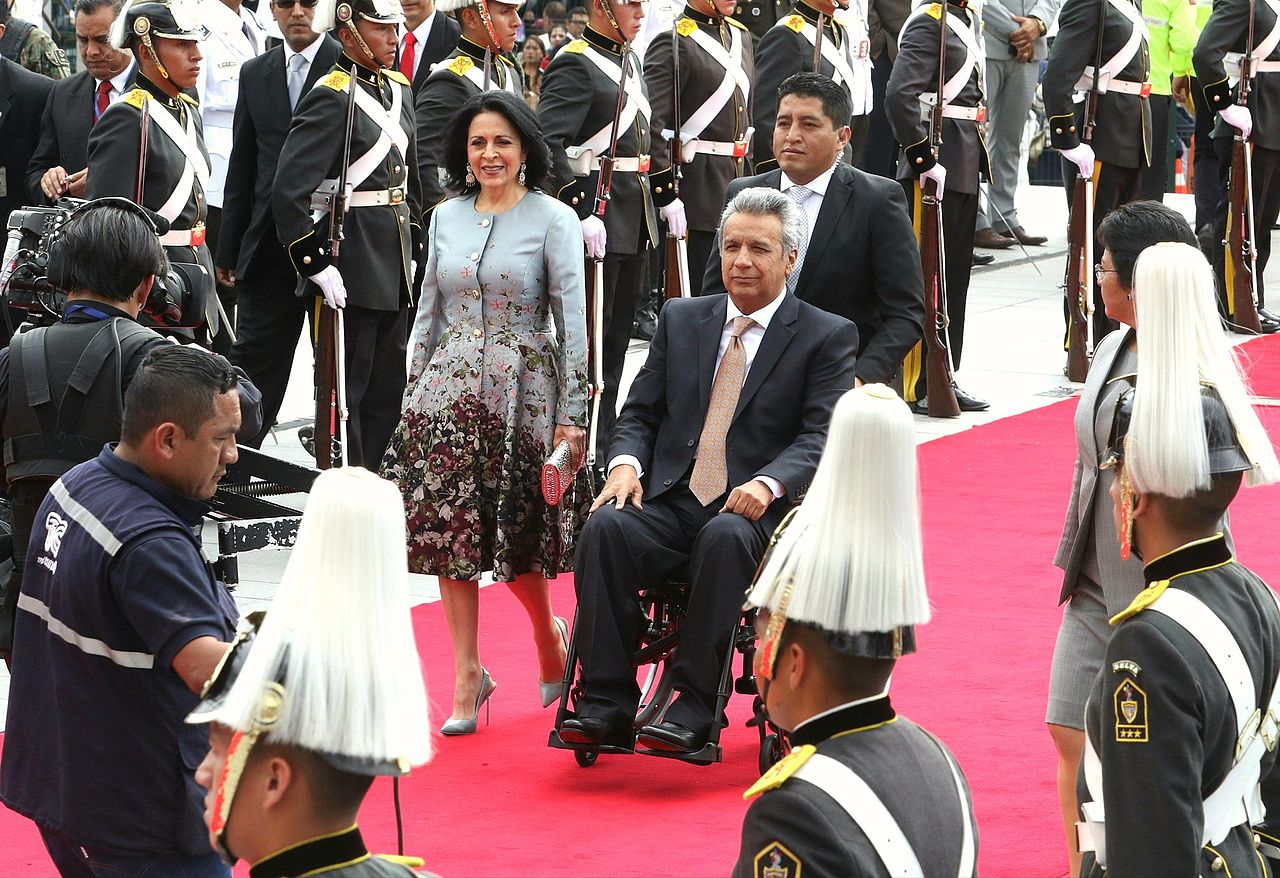


Early life and disability advocacy
After the 1998 attack that resulted in permanent paralysis of his lower body, Moreno redirected his professional life toward social programs and disability rights. During and after his vice presidency he took on initiatives aimed at improving access and services for people with disabilities, and later worked with international institutions on related issues. His personal experience shaped his public image and informed policy priorities, and he at times served in international or United Nations-related roles focused on inclusion and accessibility (disability advocacy).
Political career
Moreno entered national politics as the running mate of Rafael Correa and was vice president from 2007 to 2013. In that role he participated in the administration’s social programs and public outreach, while maintaining a high public profile on issues affecting vulnerable populations. He later stood for the presidency and won a closely contested runoff election on 2 April 2017, defeating banker Guillermo Lasso by a narrow margin with just over half of the vote in the second round; details of the contest are covered in election accounts (opponent Guillermo Lasso and the contest results).
Presidency: policies and political shift
Moreno’s presidency is often described as a departure from the policies of his predecessor, Rafael Correa. Though elected on a platform that promised continuity in many social programs, his government pursued fiscal adjustments, sought new agreements with international creditors, and implemented measures aimed at reducing public spending. These policy changes, framed as necessary to stabilize public finances, produced both support from some economic actors and criticism from sectors that saw them as breaks with the previous administration’s approach.
Protests, controversy and governance
Several of Moreno’s decisions prompted vocal public reaction. The removal of longstanding fuel subsidies and similar austerity steps led to nationwide protests in 2019 that required major negotiations and the temporary relocation of government activity. The political relationship between Moreno and Correa deteriorated during his term, resulting in sharp mutual criticism, competing legal actions, and a reconfiguration of Ecuadorian politics. Observers have noted that Moreno’s presidency highlighted tensions between economic adjustment and social protection in a country with entrenched political currents.
Legacy and notable facts
- Moreno remains a notable example of a high-level politician who has lived and worked with a disability, and his tenure brought greater visibility to accessibility issues in public life.
- His election marked a closely fought contest and a subsequent realignment in Ecuadorian politics, with lasting debates over the balance between fiscal policy and social programs.
- For official records and further reading on Moreno’s presidency and policies, consult dedicated profiles and governmental summaries (presidential records and other analyses at reference sources).
Moreno’s career illustrates how personal experience, political alliances and changing economic circumstances can shape national leadership. His time in office remains a subject of study for those interested in contemporary Latin American politics, disability and public policy, and the dynamics of post-crisis governance in Ecuador (background on predecessors and accessibility initiatives).
Questions and answers
Q: Who is Lenín Moreno?
A: Lenín Moreno is an Ecuadorian politician who served as the President of Ecuador from 2017 until 2021.
Q: What was Moreno's role prior to serving as the President of Ecuador?
A: Prior to serving as the President of Ecuador, Moreno served as the Vice President of Ecuador from 2007 to 2013 under President Rafael Correa.
Q: Was Moreno's election as Vice President well known? Why?
A: Yes, Moreno's election as Vice President was well known because as a paraplegic, he was one of the world's few disabled national leaders.
Q: When was Moreno elected as the President of Ecuador?
A: Moreno was elected as the President of Ecuador on 2 April 2017.
Q: Who did Moreno defeat in the 2017 Ecuadorian presidential round-off?
A: Moreno defeated banker Guillermo Lasso in the 2017 Ecuadorian presidential round-off.
Q: What was Moreno's percentage of the vote in the 2017 Ecuadorian presidential round-off?
A: Moreno's percentage of the vote in the 2017 Ecuadorian presidential round-off was 51%.
Q: When did Moreno become the world's only current head of state in a wheelchair?
A: Moreno became the world's only current head of state in a wheelchair on 24 May 2017.
Related articles
Author
AlegsaOnline.com Lenín Moreno: President of Ecuador (2017–2021) Leandro Alegsa
URL: https://en.alegsaonline.com/art/124190
Sources
- abcnews.go.com : abcnews.go.com
- worldcrunch.com : ""Big Day" For Ecuador's Lenin Moreno"
- yahoo.com : "New leftist Ecuador president takes office"
- nytimes.com : "Ecuador Elects World's Only Head of State in a Wheelchair"
- un.org : "Secretary-General Appoints Lenín Voltaire Moreno Garces of Ecuador Special Envoy on Disability and Accessibility"
- ecuavisa.com : "CNE informa "resultados irreversibles": Moreno 51.16% - Lasso 48.84%"