
Josquin des Prez: Renaissance Composer and Musical Innovator
Josquin des Prez (c.1450–1521) was a leading Franco-Flemish composer whose masses, motets and chansons helped define Renaissance polyphony and influenced generations of European composers.
Josquin des Prez (born near Saint-Quentin, c. 1450–1455; died 27 August 1521 at Condé-sur-l'Escaut) is widely regarded as one of the most important composers of the Renaissance. His surviving output, primarily vocal music—masses, motets and chansons—shows a balance of contrapuntal skill and expressive clarity that contributed to the shift from late medieval musical practice toward the ideals of 16th-century polyphony. For introductory overviews and concise biographical information see biographical summaries.
Image gallery
10 Images


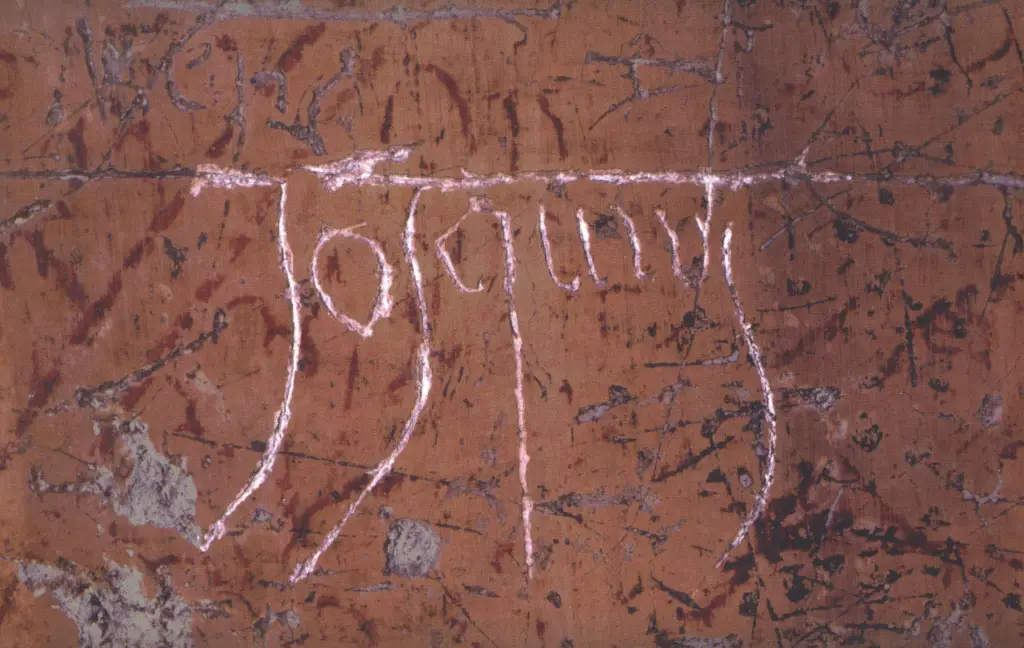

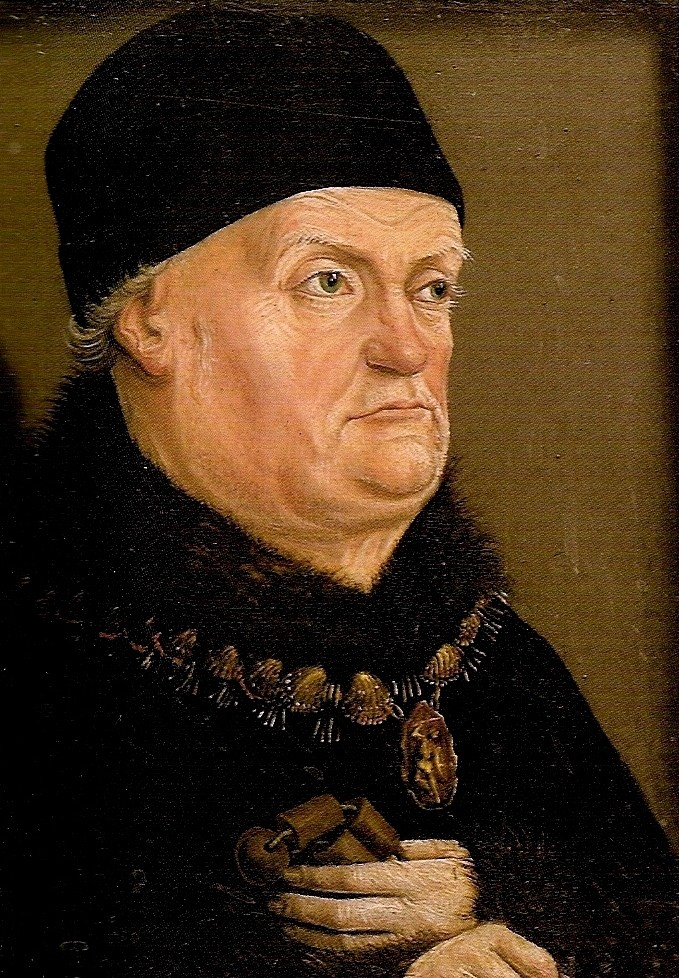

Life and career
Biographical details for Josquin are uneven and sometimes uncertain. Documentary evidence places him in several major musical centres of his era; he is associated with service at courts and chapels in Italy and the Low Countries, and with patrons such as members of the Sforza family in Milan. Late in life he returned to northern France, where he died at Condé-sur-l'Escaut. For timelines, archival references and longer biographies consult specialist sources and collections of documents here.
Musical style and techniques
Josquin's style is characterised by lucid polyphony and careful attention to text setting. He frequently used imitation—short motifs passed between voices—to build musical coherence, and he employed a variety of compositional methods including cantus firmus and paraphrase of chant. His settings often balance contrapuntal complexity with textures that allow words to remain intelligible, and he used rhythmic variety and harmonic colour to heighten expressive effect. Modern stylistic introductions and analyses are available in many study guides and academic resources here.
Major works
His repertory includes a number of widely admired pieces that remain central to the early-music canon: masses such as the Missa Pange lingua and Missa L'homme armé, and motets including the celebrated Ave Maria...virgo serena. Josquin also composed numerous secular chansons that circulated in manuscript and in early printed collections. Major collected editions and critical scores appear in modern scholarly series and in historical prints first issued by early music printers; see collected editions and bibliographies here.
Publication, reputation and influence
The early 16th century saw the wide dissemination of Josquin's music in print; publishers such as Ottaviano Petrucci included his works in influential volumes, contributing to his growing reputation. By the mid-16th century he was frequently cited as a model of compositional mastery. Composers across Europe—particularly in the Franco-Flemish and Italian traditions—drew on techniques associated with his music, and his approach to imitation and text expression helped shape later polyphonic practice. For discussions of his influence and reception see interpretive studies here.
Attribution and scholarship
Attribution of works to Josquin has been a long-standing scholarly issue: some pieces once ascribed to him are now regarded as doubtful or incorrectly attributed. Modern musicology applies stylistic analysis, archival research and critical editions to clarify the corpus. Ongoing research continues to refine the catalogue of authentic works and to reconsider his role in the musical culture of his time. For recent catalogues and critical discussions consult specialised resources here and further critical studies here.
Josquin's music remains a cornerstone of early-music performance and study. It is valued both for its technical invention and for its expressive range, and it is regularly performed, recorded and taught in conservatories and universities. General readers and performers will find accessible introductions, recordings and annotated scores in the resources linked above.
Questions and answers
Q: Who was Josquin des Prez?
A: Josquin des Prez was a French composer born near St Quentin in the mid-15th century.
Q: What is Josquin des Prez famous for?
A: Josquin des Prez is famous for being one of the greatest composers of the Renaissance and for changing the sound of music from medieval compositions to the style that led to the great compositions of the 16th century Renaissance composers.
Q: When did Josquin des Prez die and where?
A: Josquin des Prez died on 27 August 1521 in St Condé-sur-l'Escaut.
Q: What impact did Josquin des Prez have on music?
A: Josquin des Prez changed the sound of music from medieval compositions and developed the style that led to the great compositions of the 16th century Renaissance composers such as Adrian Willaert, Palestrina, Lassus, and Byrd.
Q: What other composers were influenced by Josquin des Prez?
A: Josquin des Prez influenced many other Renaissance composers such as Adrian Willaert, Palestrina, Lassus, and Byrd.
Q: When was Josquin des Prez born?
A: Josquin des Prez was born some time between 1450 and 1455.
Q: Where was Josquin des Prez born?
A: Josquin des Prez was born near St Quentin, France.
Related articles
Author
AlegsaOnline.com Josquin des Prez: Renaissance Composer and Musical Innovator Leandro Alegsa
URL: https://en.alegsaonline.com/art/122988
Sources
- grovemusic.com : Groves Online