
William Byrd (c.1540–1623) — English composer
William Byrd (c.1540–1623) was a central English Renaissance composer, noted for vocal and keyboard music, sacred and secular works, Catholic liturgies and a pioneering music-printing partnership.
William Byrd (born circa 1539–1540; died 4 July 1623 at Stondon Massey) ranks among the most important English composers of the late Renaissance. His output spans many genres: complex choral pieces for both Latin Catholic rites and English liturgy, secular madrigals and songs, consort music, and keyboard works written for instruments such as the virginals and organ. Byrd is widely remembered for the richness of his polyphony and his ability to write music that served both devotional and courtly functions. For a general introduction to his life and works see biographical overview.
Image gallery
7 Images
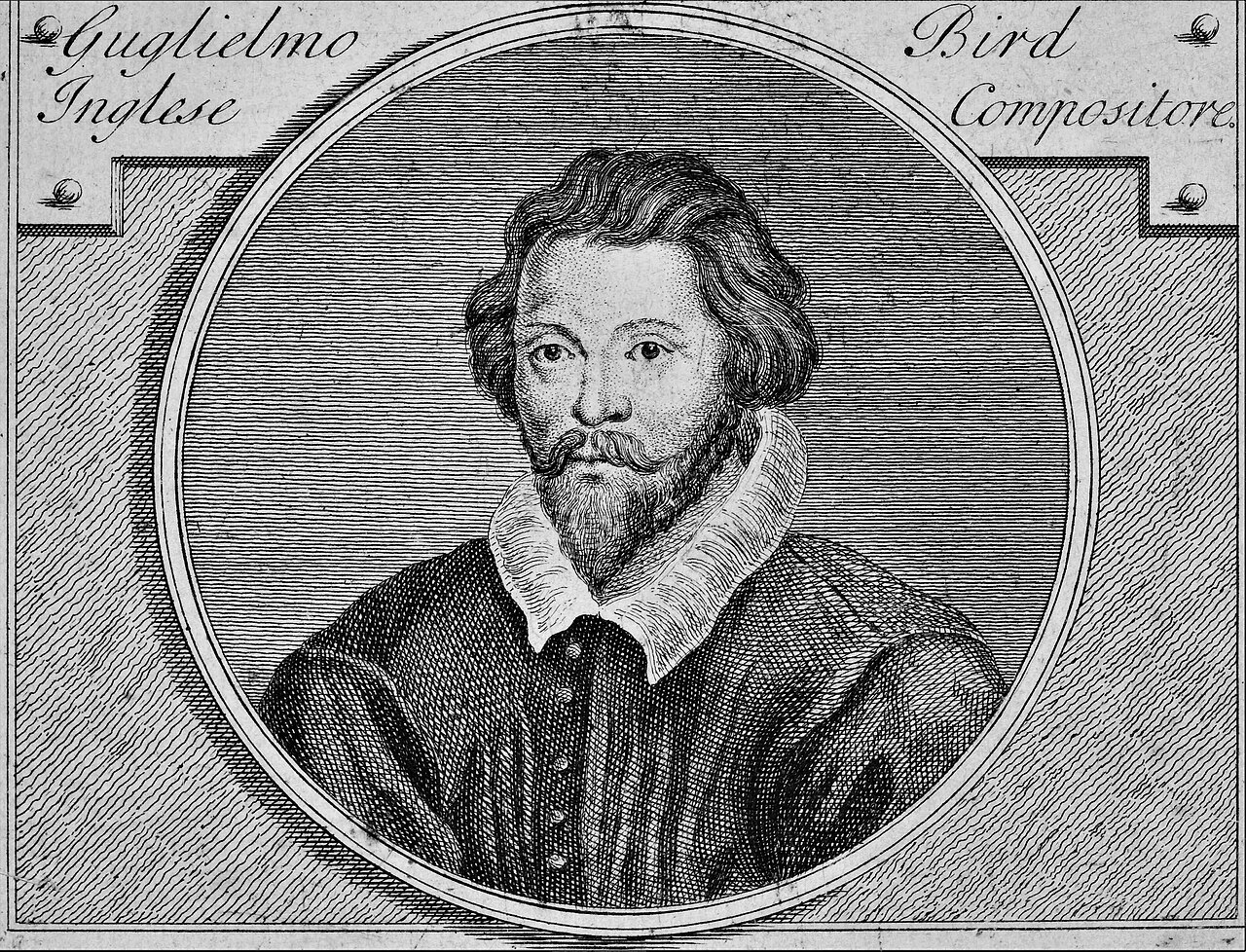


Musical works and style
Byrd's catalogue includes settings of the Mass and other Catholic liturgical music, numerous motets and anthems for Anglican worship, collections of madrigals and secular songs, and many pieces for keyboard and consort. His keyboard compositions appear in important manuscripts and anthologies of the period and show a mastery of variation, counterpoint and ornament suited to the virginals and organ. Readers seeking examples of his repertoire and scores can consult editions and recordings listed through music resources and specialized catalogues of Elizabethan repertoire referenced at further reading.
Historical and religious context
Byrd lived through dramatic religious change in England: the break with Rome under Henry VIII, the fluctuating policies of the Tudor and early Stuart monarchs, and the establishment of the Church of England. Unlike many of his contemporaries, Byrd remained a Roman Catholic throughout his life, a stance that influenced some of his output — especially his Latin Mass settings and the collections known as Gradualia — and shaped the private as well as public uses of his music. His faith coexisted with loyalty to the crown, and his career reflects careful navigation of the political and religious landscape of Elizabethan and Jacobean England. For context on the period see summaries of the Renaissance and the early Baroque transition.
Career highlights and publishing
Byrd worked within the musical establishment of his day and enjoyed patronage that allowed him both courtly commissions and private composition. A notable episode in his career was a publishing arrangement with the elder composer Thomas Tallis: together they obtained a royal patent that granted them exclusive rights to print music in England, an early example of state-sanctioned music publishing. Byrd also left music in manuscript that circulated among choirs and amateur musicians, helping his pieces to survive and influence later performers. Investigations of his printed and manuscript legacy can be found via early music archives and libraries that hold Elizabethan collections, including keyboard anthologies referenced at instrumental sources.
Legacy and significance
Byrd's influence extended beyond his lifetime: his mastery of polyphony shaped English choral tradition, informed the repertory of church choirs and secular ensembles, and inspired subsequent generations of composers. Modern scholarship and performance have rehabilitated many of his works, and recordings, editions and live performances continue to broaden appreciation of his range, from austere liturgical pieces to inventive keyboard fantasias and lively madrigals. For introductions to performances and modern editions see bibliographies and recorded anthologies available through reference portals and university collections at scholarship hubs.
Notable facts
- Byrd's dates are approximate at birth (c.1539–1540) but his death on 4 July 1623 is well attested.
- He composed in Latin and English for both public worship and private devotion, reflecting England's complex religious life.
- Together with Thomas Tallis he obtained a royal privilege for music printing, which affected the distribution of English music.
- Many of his keyboard pieces survive in important contemporary manuscripts and are frequently performed today.
Taken together, William Byrd's works represent a high point of English Renaissance composition: technically sophisticated, expressively varied, and intimately connected to the cultural and religious currents of his era. Researchers and performers continue to reassess his output, drawing on both printed sources and manuscript collections to present his music to modern audiences. Further materials and digitized sources are indexed through specialist collections and national libraries — useful starting points are linked in the article above at biographical overview and music resources.
Questions and answers
Q: Who was William Byrd?
A: William Byrd was an English composer who wrote music of all types, including keyboard music for virginals and for the organ, vocal music, particularly choral music, both for the church (“sacred”) as well as non-sacred (“secular”).
Q: When and where was William Byrd born and when did he die?
A: William Byrd was born probably in 1539 or 1540, and he died on 4 July 1623 in Stondon Massey.
Q: What types of music did William Byrd write?
A: William Byrd wrote music of all types, including keyboard music for virginals and for the organ, vocal music, particularly choral music, both for the church (“sacred”) as well as non-sacred (“secular”).
Q: What were the changes that William Byrd witnessed during his lifetime?
A: William Byrd witnessed the changes brought about by the break from the Roman Catholic church and the founding of the Anglican Church by Henry VIII. During Byrd’s lifetime, different monarchs who reigned had different ideas about what church music should be like.
Q: Was William Byrd always a Catholic?
A: Yes, William Byrd was always a Catholic.
Q: Did William Byrd face difficulties due to his Catholic faith?
A: Yes, William Byrd faced difficulties due to his Catholic faith, but he remained faithful to the monarchy and had a lot of tact in dealing with people.
Q: In which musical period did William Byrd grow up and live through?
A: William Byrd grow up in the Renaissance period, and he lived through the Baroque period in music.
Author
AlegsaOnline.com William Byrd (c.1540–1623) — English composer Leandro Alegsa
URL: https://en.alegsaonline.com/art/132894