
Jovenel Moïse
Haitian businessman and politician who served as President from 2017 until his assassination in 2021; his tenure saw development initiatives, wide unrest, and a disputed end to his term.
Overview
Jovenel Moïse (26 June 1968 – 7 July 2021) was a Haitian entrepreneur and politician who served as the 42nd President of Haiti from February 2017 until his death in July 2021. He led the Parti Haïtien Tèt Kale (PHTK) and came to office after a delayed electoral process. His presidency combined promises of economic development with episodes of intense political conflict.
Image gallery
8 Images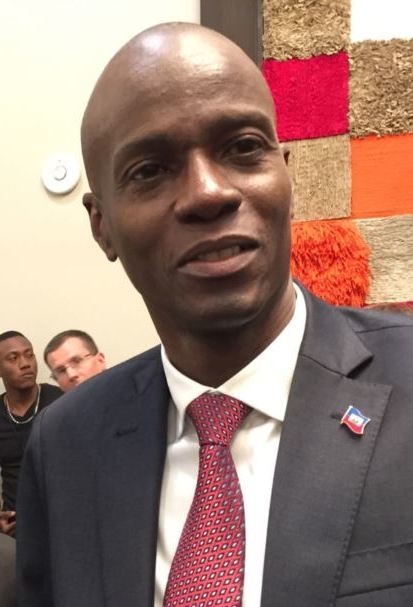


Background and business career
Before entering politics, Moïse was known as a private-sector figure involved in agricultural and energy ventures and in projects aimed at rural development. He built a public profile by presenting himself as an organizer of investment and job-creation initiatives intended to boost production and exports from Haiti’s countryside. His business background was a principal element of his political appeal.
Presidency: priorities and challenges
Moïse campaigned on plans to expand electricity, improve roads, create jobs and stimulate agribusiness. His administration pursued infrastructure projects and sought international investment, but progress was constrained by limited state capacity, budgetary shortfalls, entrenched poverty and recurring natural disasters. Security problems and weak institutions also complicated reform efforts.
Political unrest and controversies
From 2018–2019 onward, Moïse’s time in office became marked by large-scale protests and accusations from opponents. Key points of contention included:
- Allegations of corruption and mismanagement of public funds.
- Widespread popular discontent over economic conditions and public services.
- A constitutional dispute over the length of his presidential mandate that intensified debates in early 2021.
- Escalating gang violence and deteriorating security in many areas.
Assassination and aftermath
On 7 July 2021 Moïse was killed by armed attackers at his private residence; the first lady was seriously injured. The killing triggered a domestic and international crisis: a state of emergency, competing claims over executive authority, and a complex investigation that has involved arrests of suspected perpetrators, including foreign nationals and members of security forces. The transition of executive authority was disputed, with acting prime ministers and international actors working toward a political resolution.
Legacy and significance
Moïse’s presidency is often seen as emblematic of Haiti’s deep governance challenges: ambitious development agendas hampered by institutional weakness, political polarization and insecurity. His death removed a central, controversial figure from the national scene and left unresolved questions about accountability, rule of law and the path toward political stability in Haiti.
Related articles
Author
AlegsaOnline.com Jovenel Moïse Leandro Alegsa
URL: https://en.alegsaonline.com/art/122994
Sources
- twitter.com : "Résultats préliminaires des élections présidentielles du 20 Novembre 2016 pic.twitter.com/i9GsrkkU8p"
- uk.reuters.com : "Businessman Moise wins Haiti election in first round - provisional results"